Yamaha vs. Kawai vs. essex
Side by Side Comparison
Looking for all the information on all the different models so you can compare them side-by-side and make an informed decision with confidence? We have you covered! Click the button below to see one of the most talked about webpages in the piano industry.
What is on this page?
Why are today’s Yamaha Pianos so expensive?
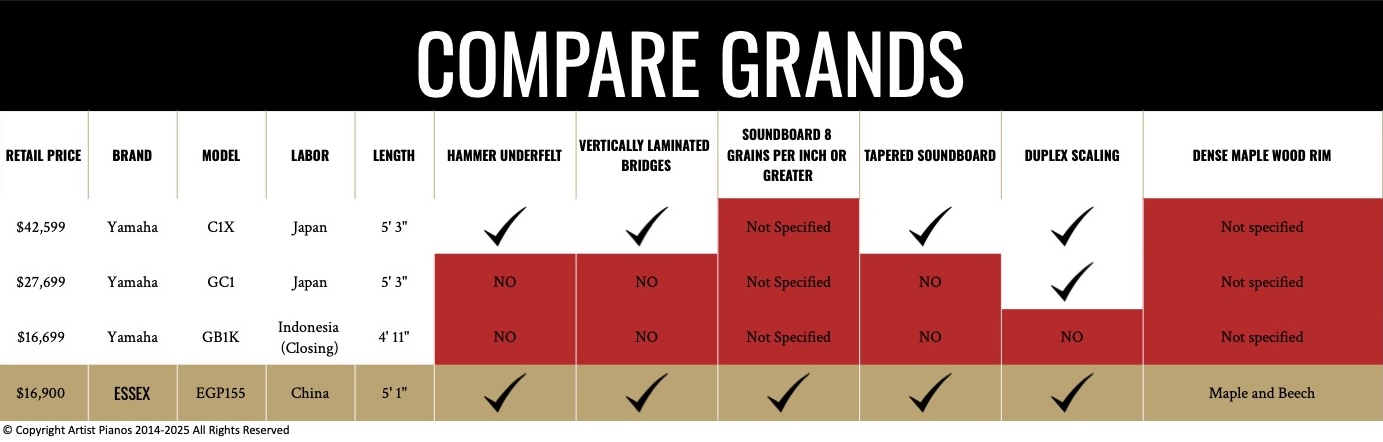
We represented Yamaha pianos for over 20 years, and we still feel they make great pianos, but we had to ask ourselves: why does it take $42,599 and three different models for Yamaha to offer almost the same premium design features and materials Steinway’s Essex does for $16,900?
What is in a price?
Though it has a lower retail price than the Yamaha GB1k, The Essex EGP-155, by Steinway & Sons has every design feature and premium material known in the industry to enhance performance and longevity. We have to ask: what design feature or material selection justifies the price of the Yamaha C1X?
Steinway’s One-Piano Philosophy vs. Step-up Feature Philosophy
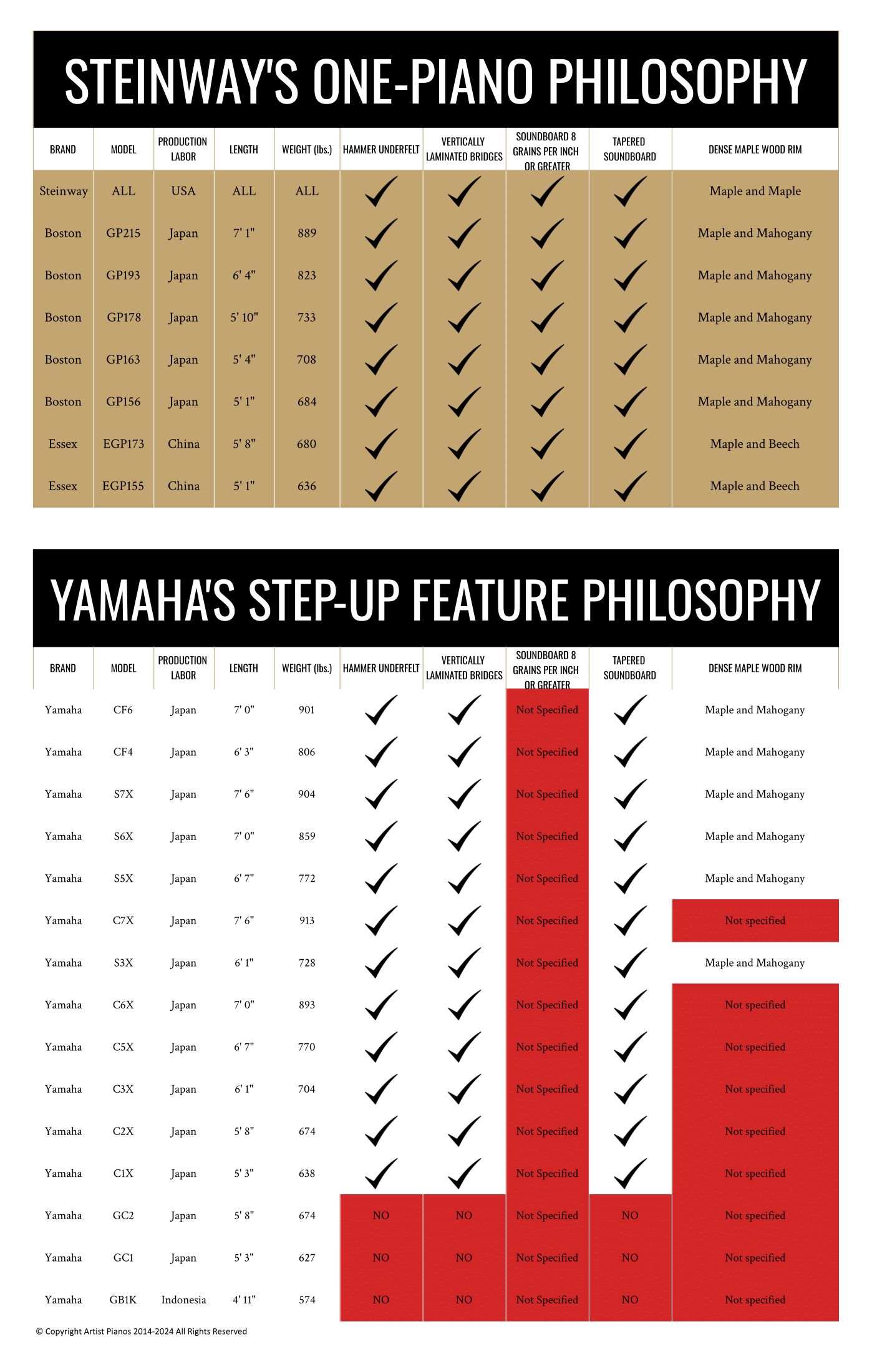
The Yamaha GB1K has no premium features. In the Yamaha lineup, you would have to pay upwards of $10,000 to get duplex scaling on the GC series and then many more thousands to get the additional features of the CX series. In marketing, these are called step-up features. However, Steinway & Sons has a one-piano philosophy, where every Boston is made the same and every Essex piano is made the same. Steinway never compromises core features and premium material selection to meet a price point. Instead, they adhere to Henrich Steinway’s motto: “build the best piano possible and sell it at the lowest price consistent with quality.” Steinway’s company culture is built on it.
Premium Piano Features vs. Standard Features
Steinway & Sons is the only manufacturer we can find, at any price, who specifies in writing the number of grains-per-inch their spruce soundboards require.
Premium design features are the features consistently found in the best pianos. Most manufacturers consider them step-up features to justify spending more money to get them. Breaking from this tradition, Steinway & Sons has designed every affordable Essex piano with every feature in every piano.
The comparison charts for Yamaha vs. Kawai vs. Essex pianos will make more sense if you read this section.
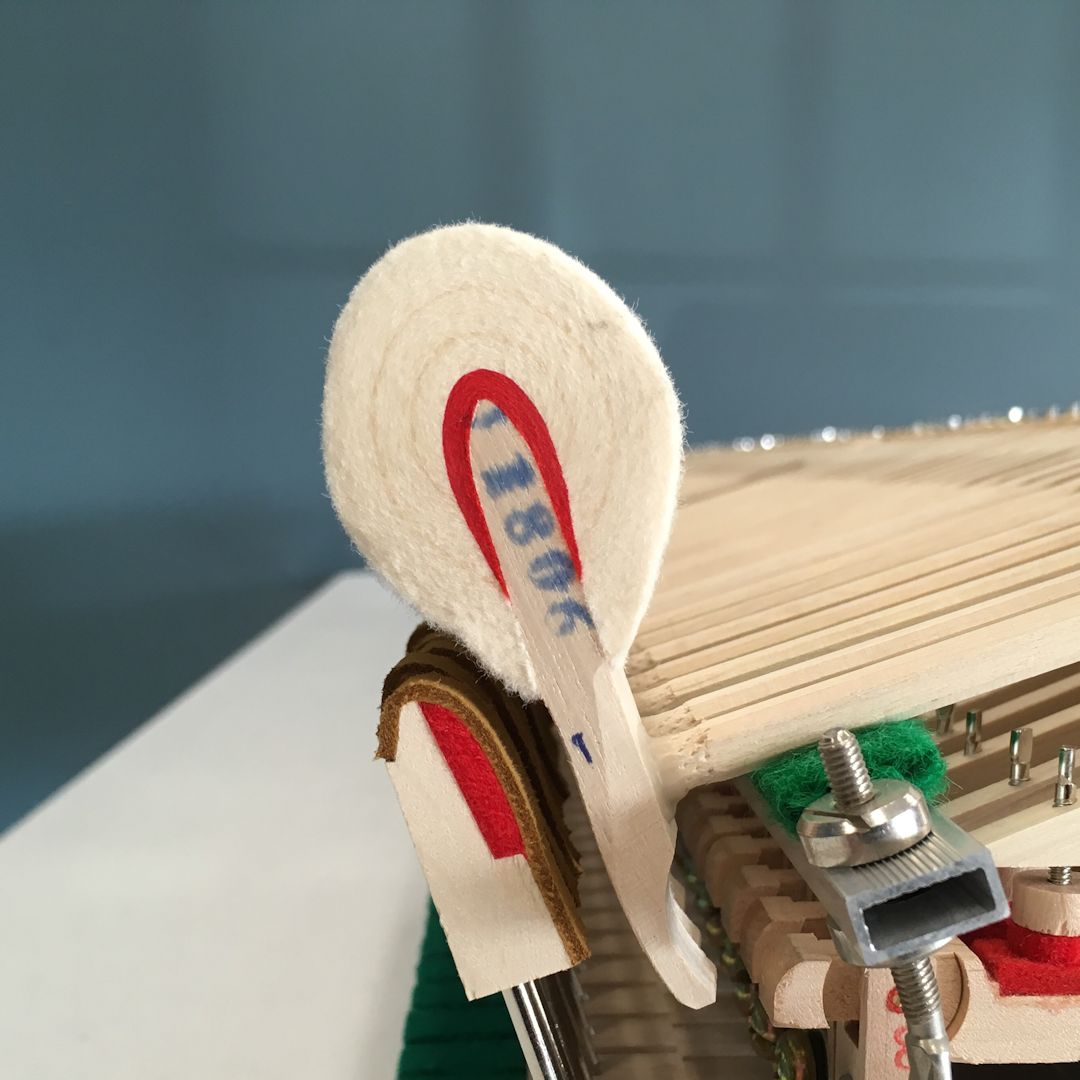
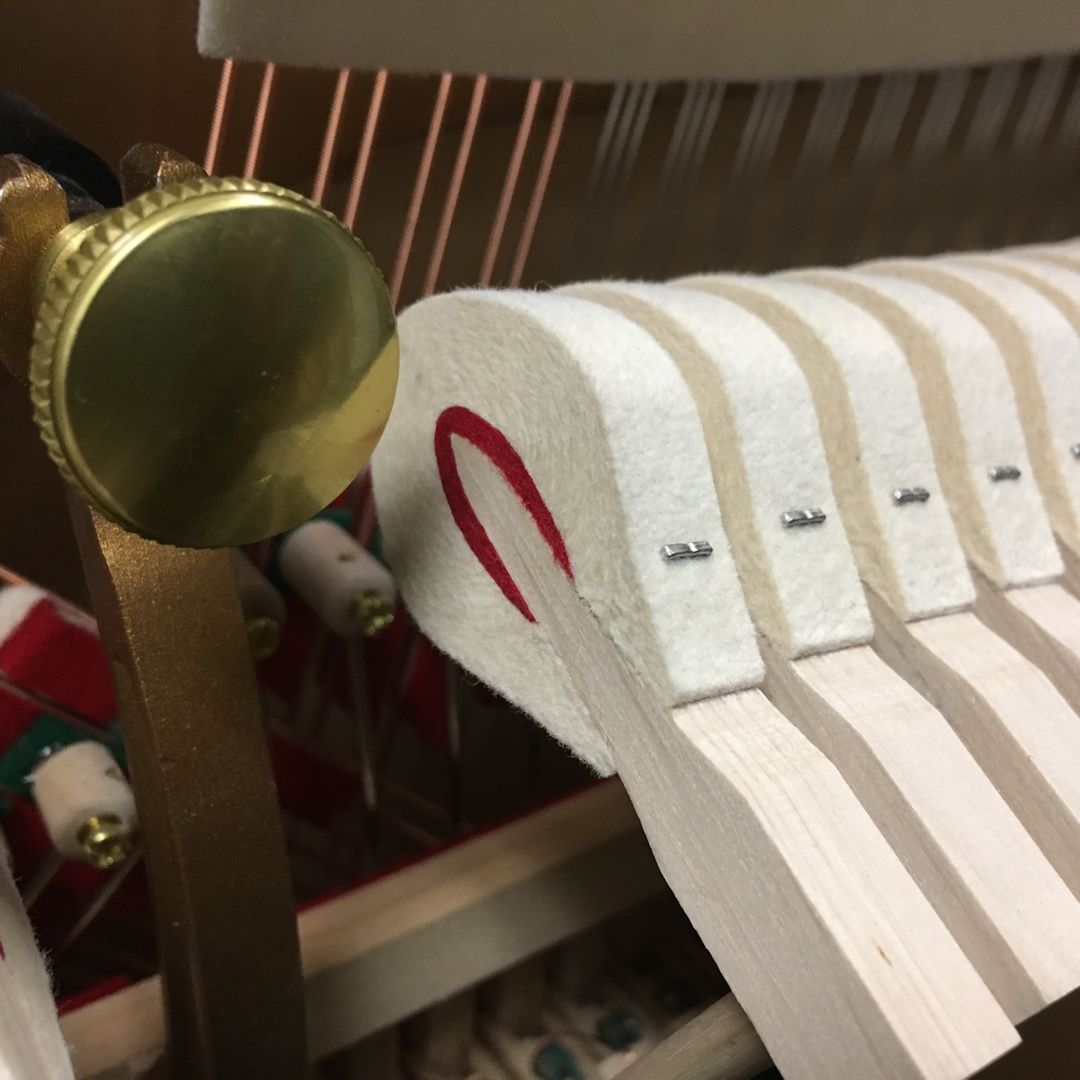
Hammers with Underfelt
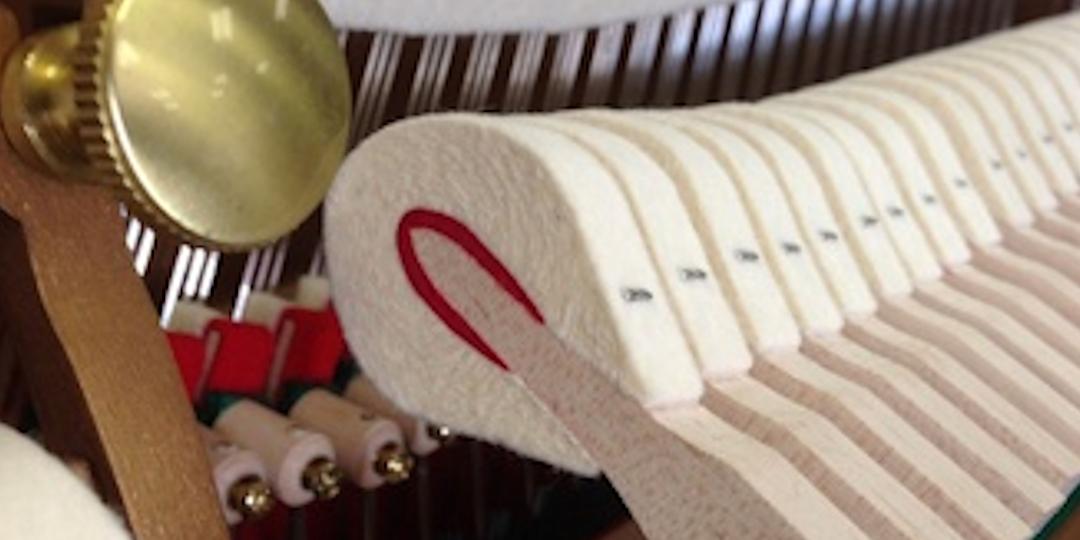
Dense under-felt is applied before the white hammer felt is glued and fastened to the hammer molding. This reinforcement will help the hammer retain its shape through years of impact with the strings and adds mass to the hammer to deliver more energy to the string. Often overlooked and not something that will cause an issue right away, this is a feature many manufacturers will eliminate in order to cut costs.
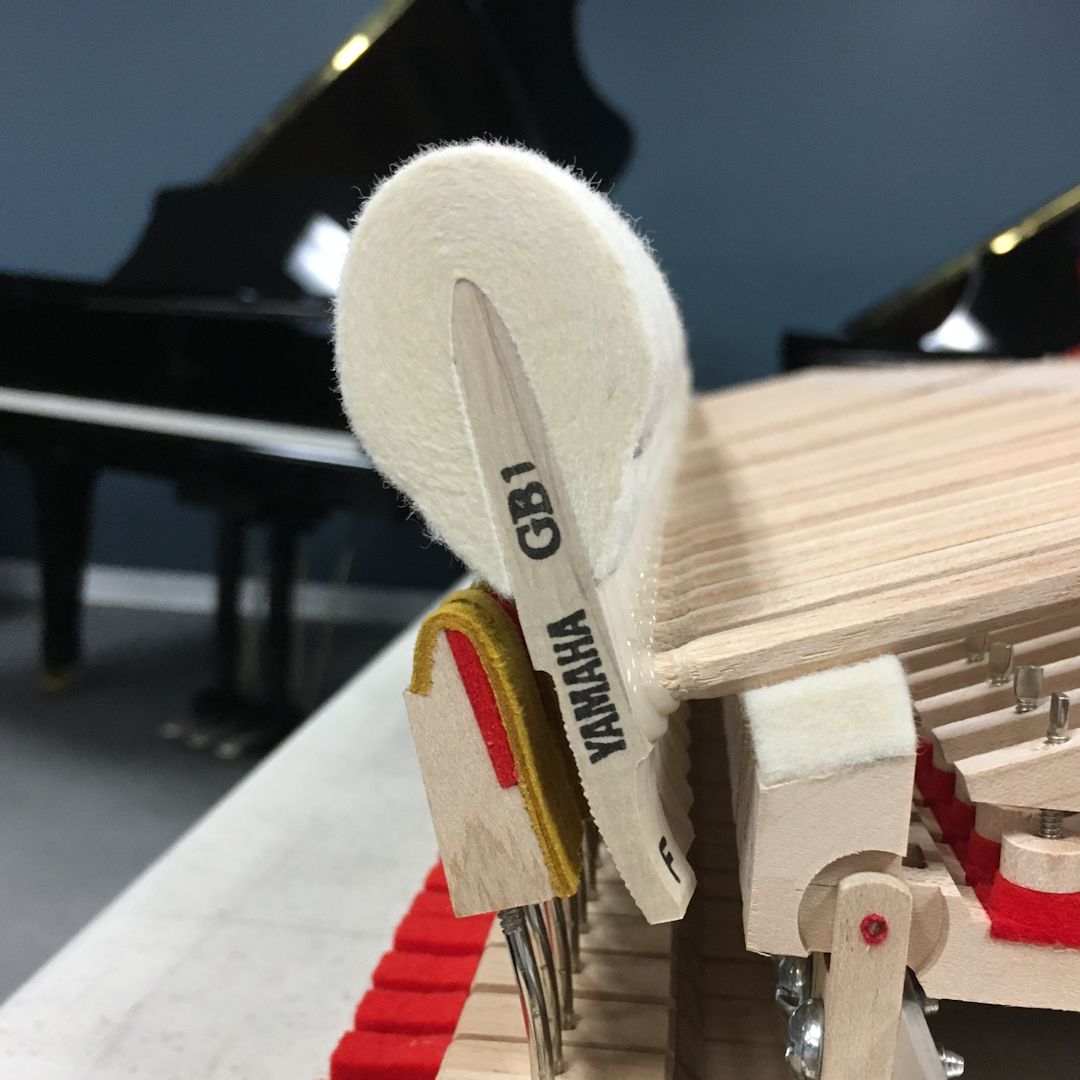
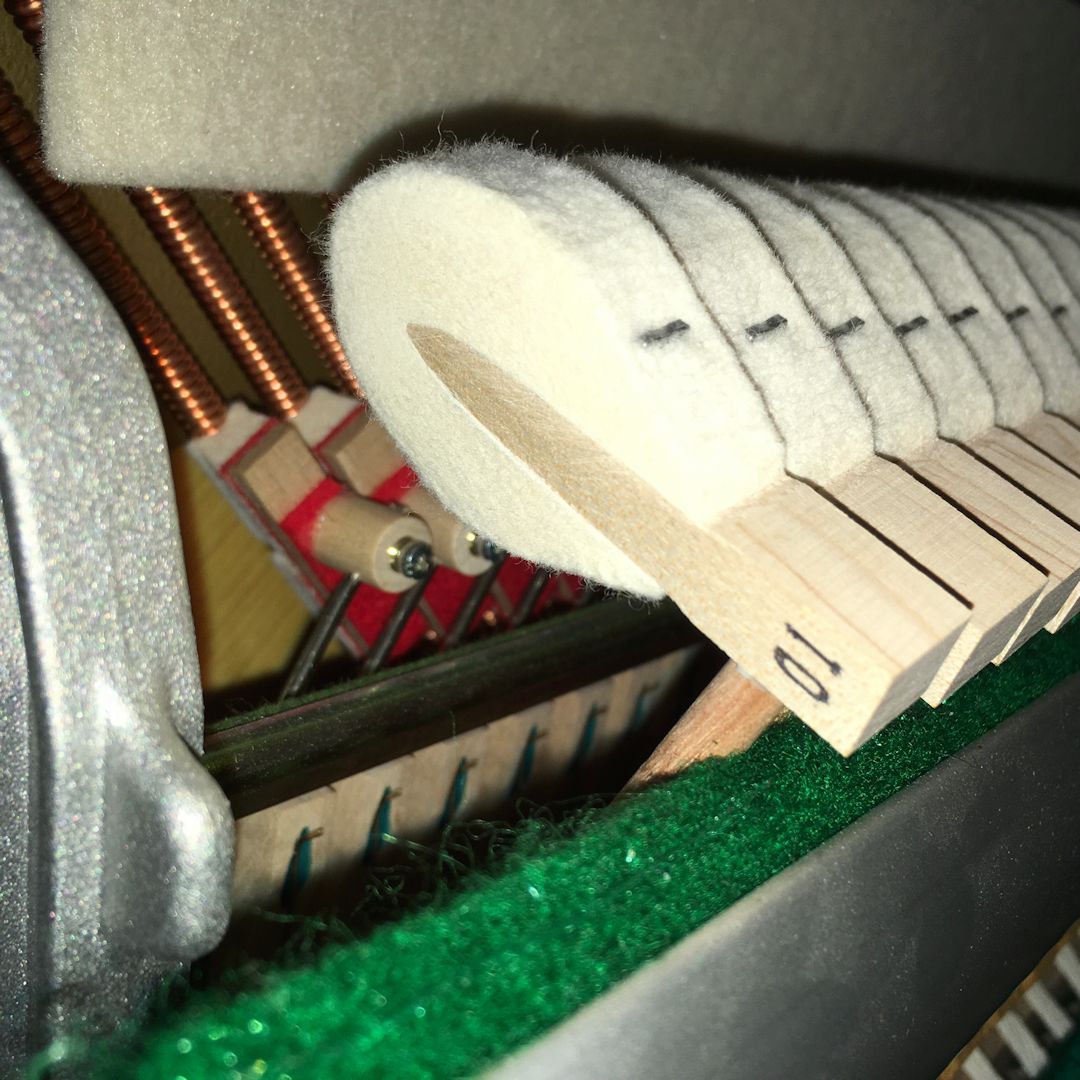
Hammers no Underfelt
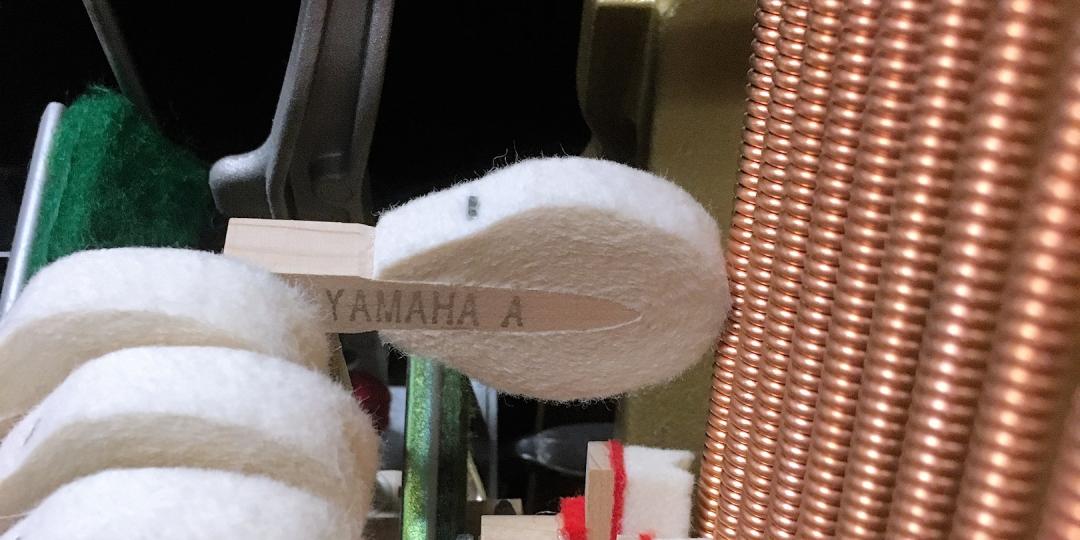
Instead of underfelt, the white hammer felt is glued directly to the wooden hammer-head, sacrificing all of the benefits to longevity and tone that underfelt provides.
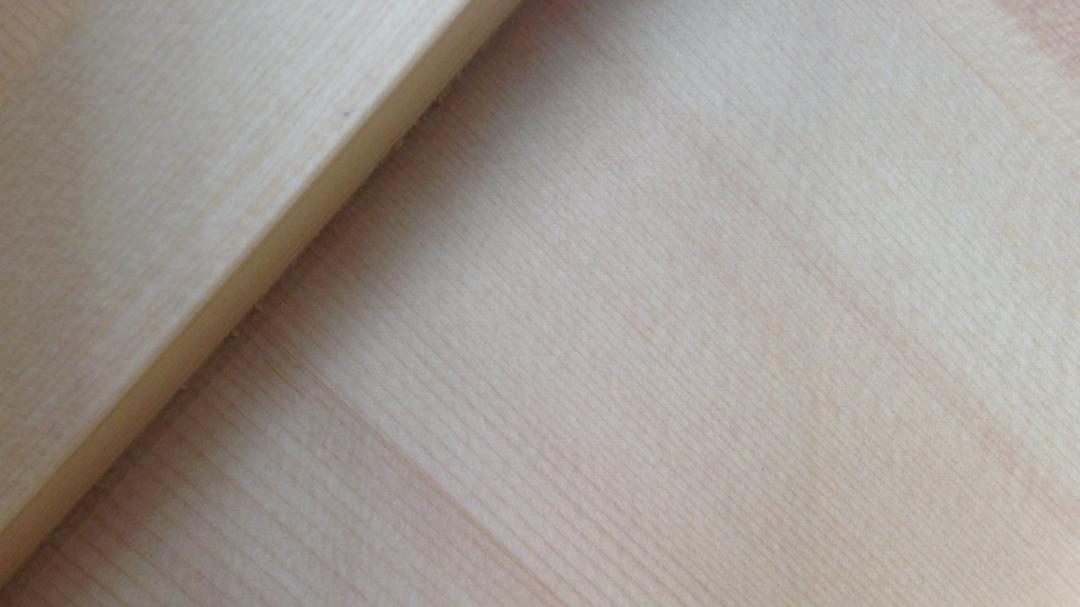
Premium Solid Spruce Soundboard
All the finest pianos have premium solid-spruce soundboards, but spruce soundboards are not created equal. A premium soundboard will be made of straight-grain solid spruce (not laminated) with a minimum of 8 grains per inch and be free of knots and irregularities. These qualities ensure overall structural integrity and even distribution of vibrations. Most manufacturers do not specify anything beyond solid vs. laminated, allowing for a wide variance in wood quality.
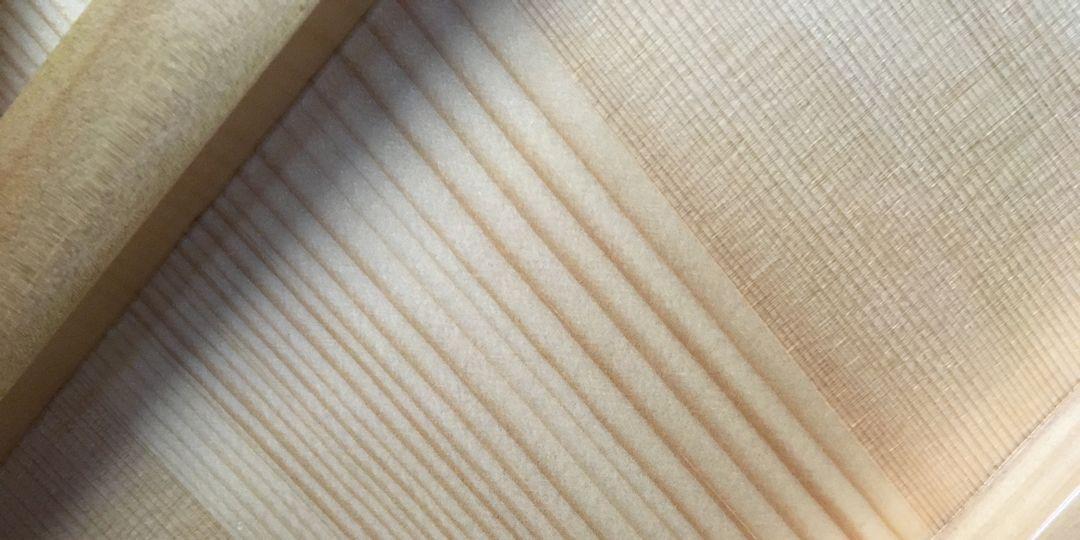
Standard or Unspecified Soundboard
Manufacturers that do not publish specifications for the soundboard material, beyond the species of wood, may have variances in grain density, irregularities, knots, or areas where material was cut out and filler material was glued in to take it’s place. We inspect the soundboards of every piano we sell and encourage shoppers to inspect the soundboard of any piano they may consider purchasing to determine the quality of the soundboard material.
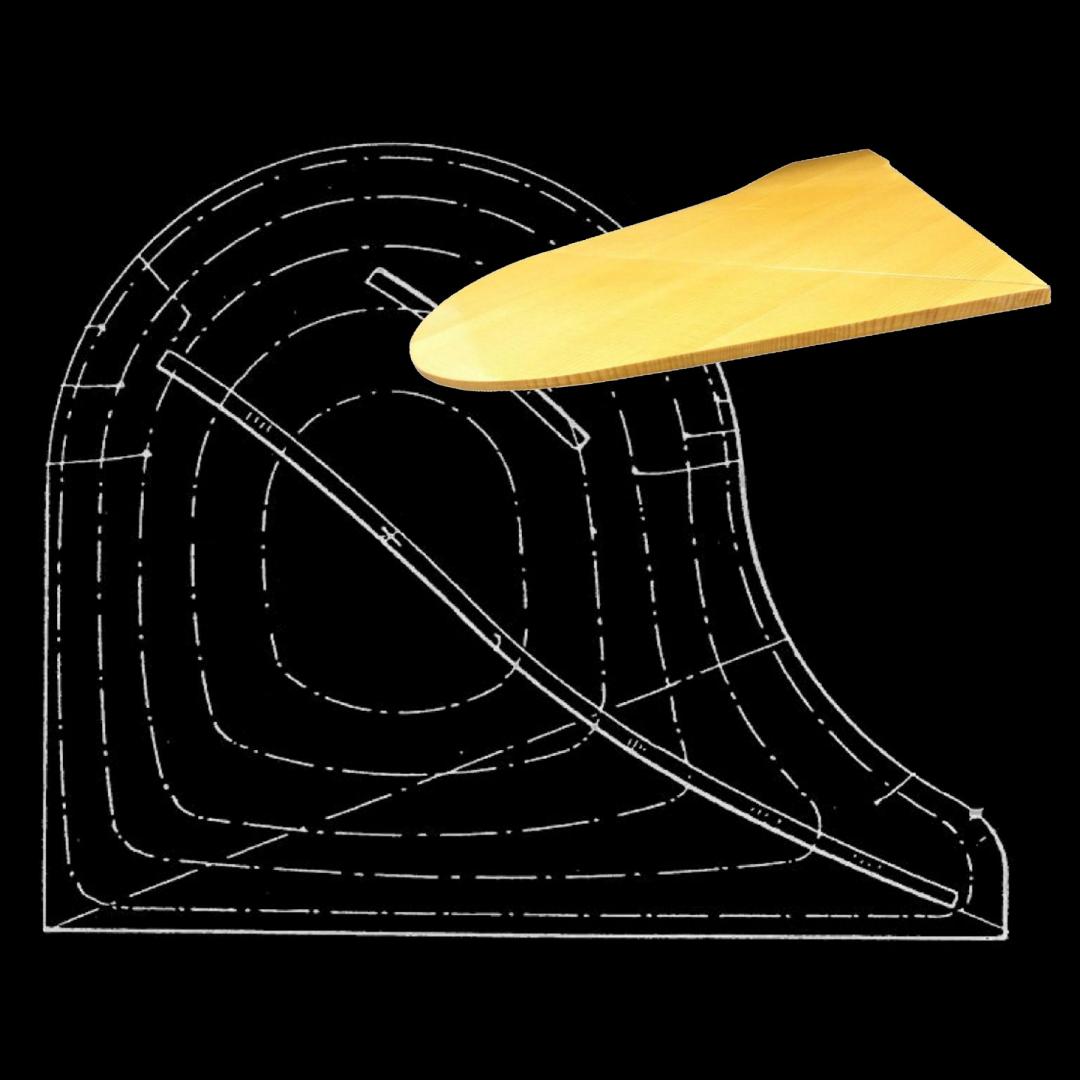
Tapered Soundboard Construction
To promote flexibility, the soundboard is sanded down to be thinner from treble to bass. Because the board is able to vibrate more freely, bass notes sound richer and fuller and overall tone and dynamic range is improved.
All Steinway, Boston, and Essex pianos have tapered soundboards.
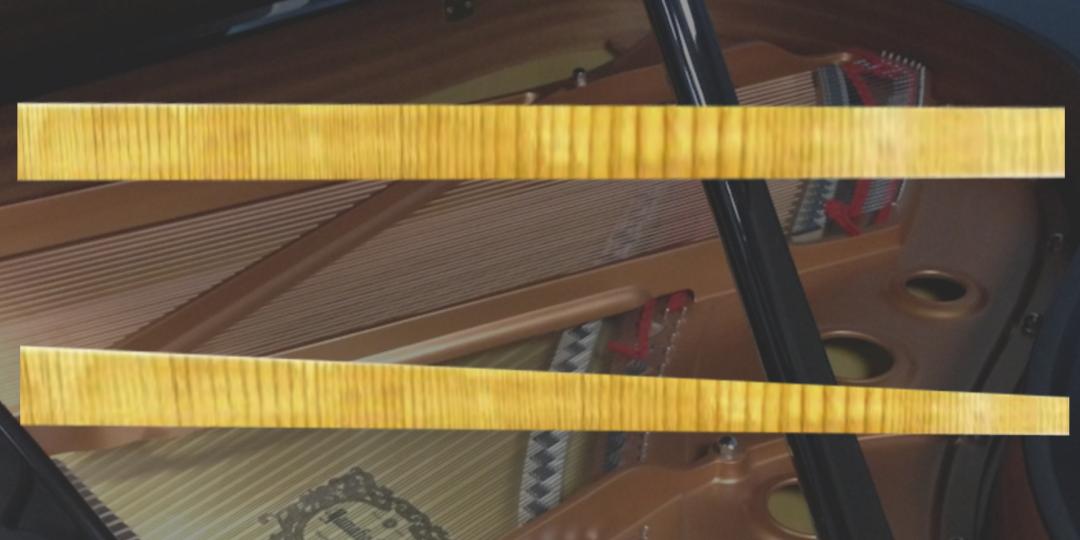
One-Dimensional Soundboard
A one-dimensional soundboard (top) is the same thickness across its width. If a piano has a tapered soundboard, it is generally something that a manufacturer would want a shopper to know, because, all else being equal, a tapered soundboard will provide deeper, richer tone and longer sustain. If a manufacturer relies on broad marketing claims about sound quality rather than providing concrete construction details, it may be a sign that the piano uses a non-tapered soundboard.
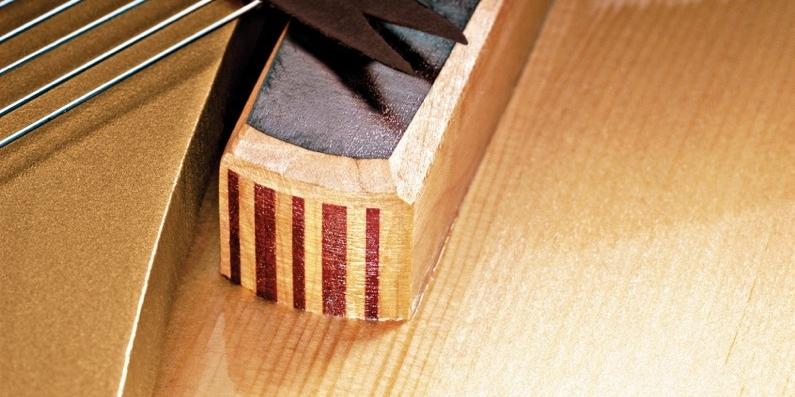
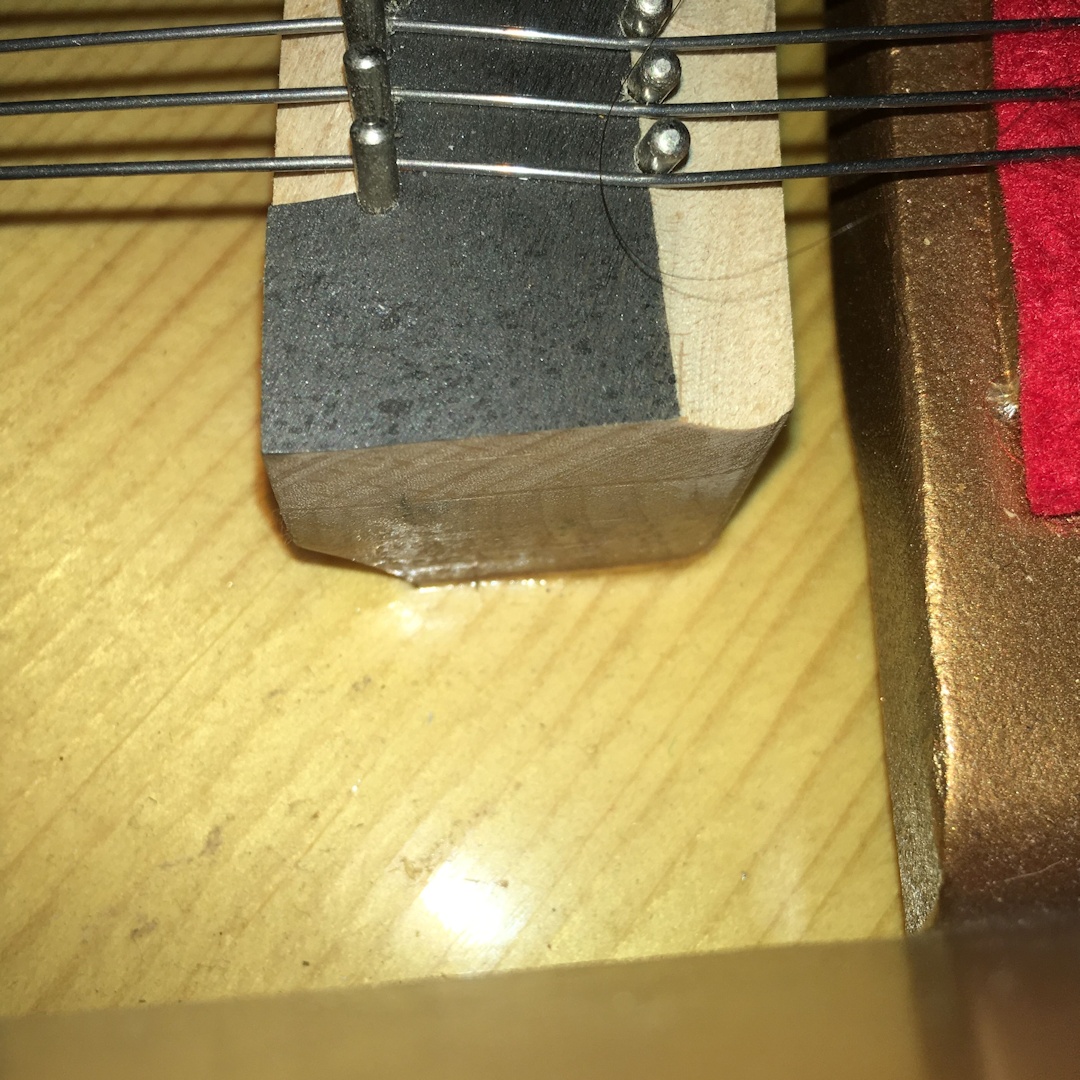
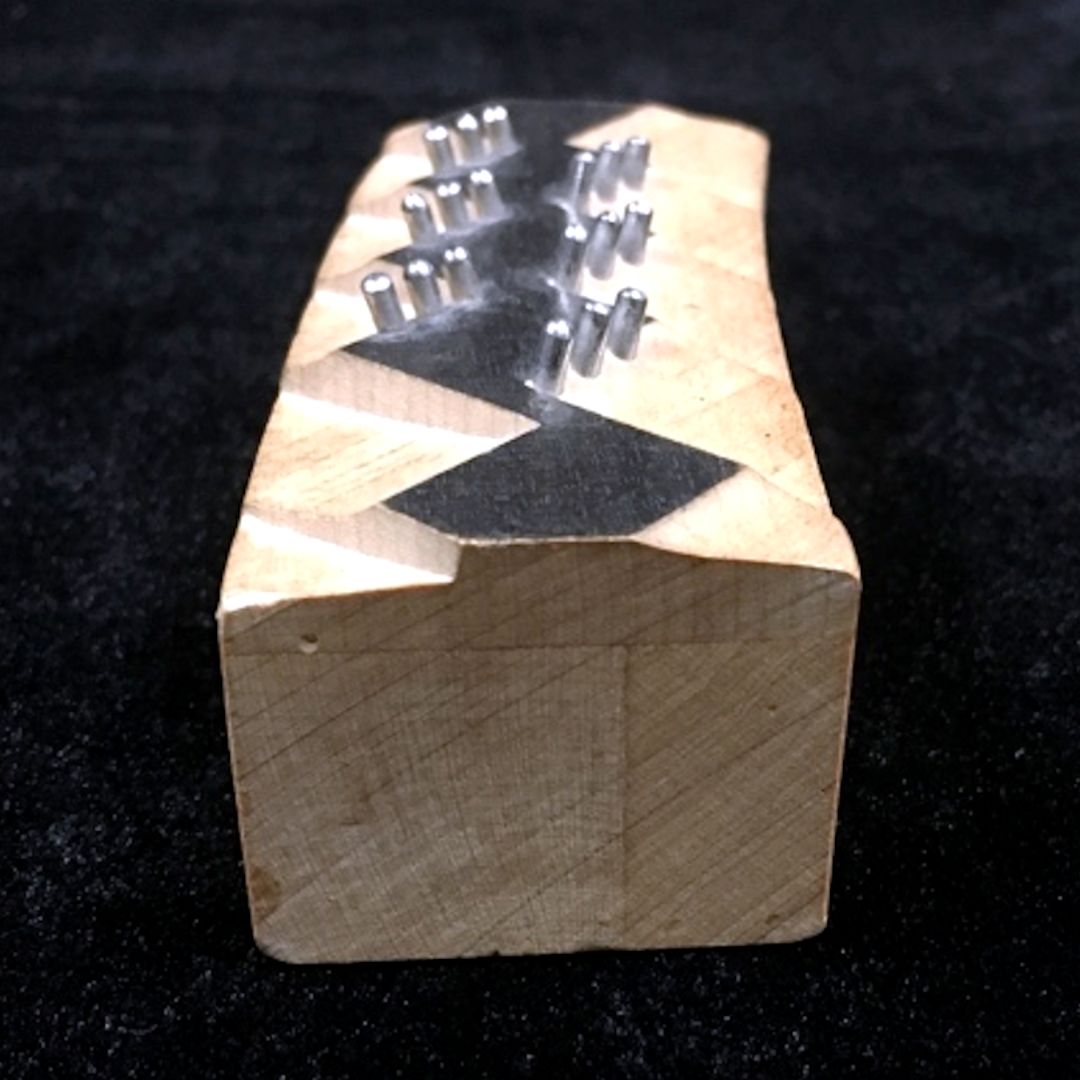
Vertically Laminated Bridges
Originally patented by Steinway in 1880, this groundbreaking design is now found in nearly every high-performance piano in production. The solid bridge is replaced with multiple layers of wood, like a layer-cake on its side. This design transfers vibrations from the strings to the soundboard most efficiently and with the least loss of energy. This improves every aspect of tone, projection, sustain, and dynamic range.
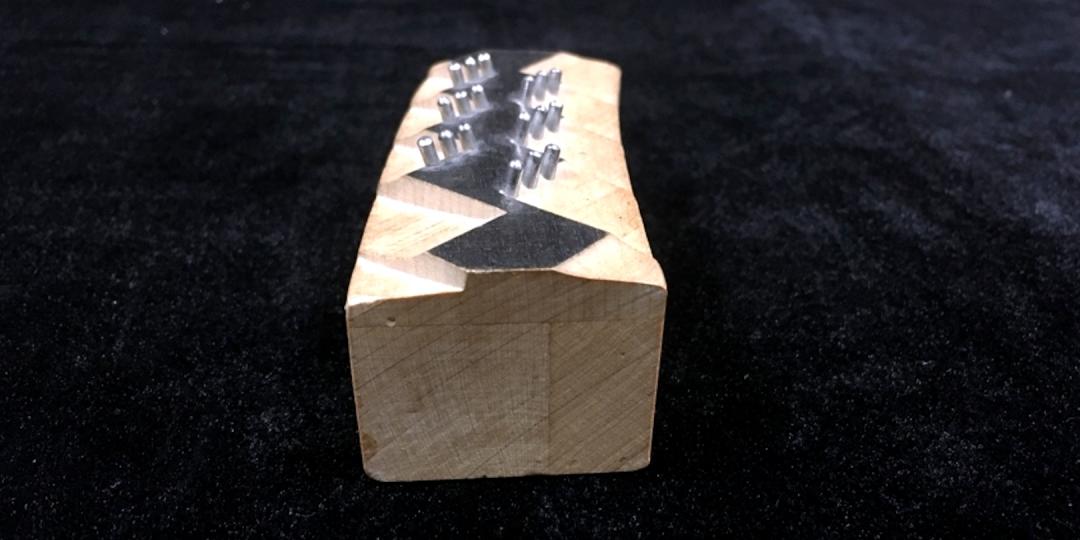
One-Piece Bridges
Bridges conduct the vibrations from the strings into the soundboard. Most uprights and entry-level grands have one-piece bridges, while nearly all performance grands include vertically laminated bridges to improve tone, sustain, and dynamic range. While solid bridges are an industry standard, vertically laminated bridges are a strong indicator that a manufacturer intended to make a piano with exceptional performance.
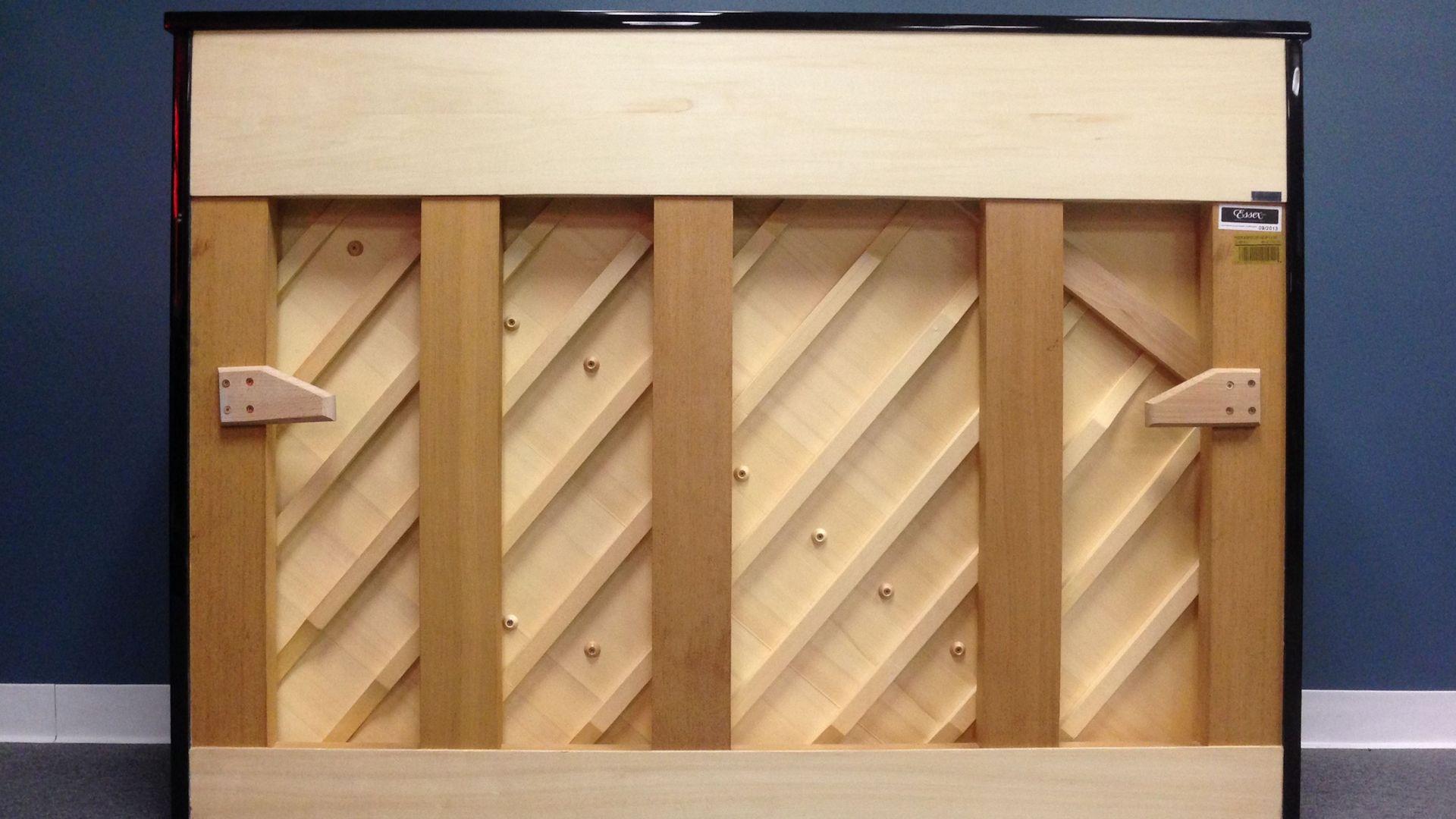
5-Post Backframe
A five-post backframe is often the first sign that a manufacturer is serious about piano design, but post count alone isn’t the whole story—the thickness of those posts matters just as much. A total Cross-Sectional Area (CSA) of 400 cm² or more provides, long-term support to protect the soundboard’s crown against nearly 40,000 lbs of string tension. Calculated by multiplying a post’s width and depth by the total number of posts, CSA is one of the reliable metrics for evaluating an upright piano’s structural integrity. By contrast, budget pianos often compromise here, using undersized posts or omitting central back posts entirely.
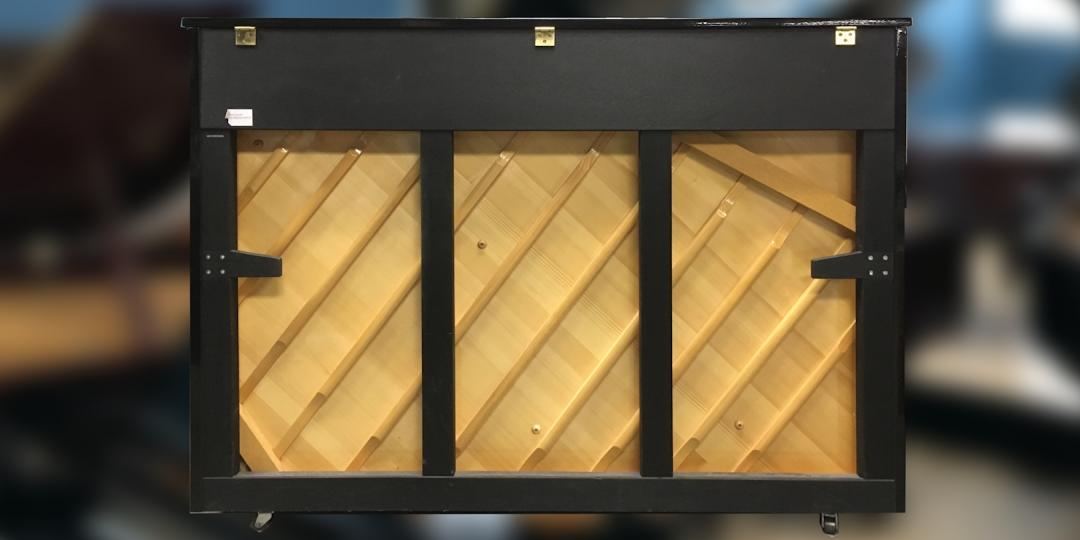
4 Post Back Frame
If the posts are thick, a 4-post backframe can provide very good structural integrity, but nearly all premium uprights have 5 posts. The back-frame of a piano is responsible in large part for a piano’s longevity and performance later in life, because it maintains the proper curvature of the soundboard against approximately 700 pounds of constant pressure from the strings. Inspect the back-frame of every upright you consider purchasing, because the thickness of the back-posts will be one of the first indicators of an upright piano’s quality.
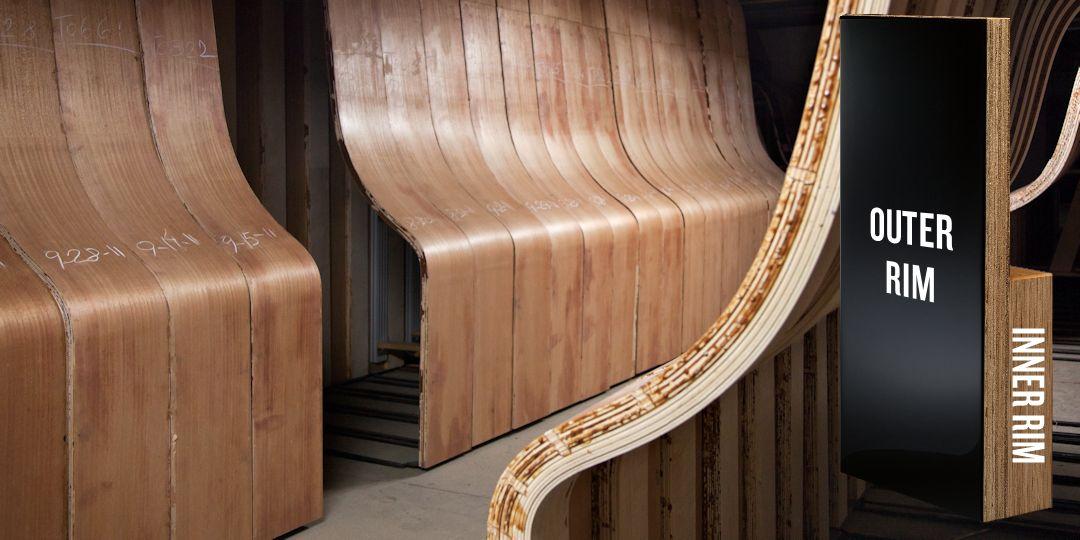
Dense, Maple Wood Rim
The rim of a grand piano is primarily responsible for maintaining the crown, or curvature, of the soundboard. This curvature is absolutely critical to a piano’s ability to project sound and maintain a tuning to proper pitch. As such, strong, rigid, dense wood makes for solid rim construction. Steinway pianos have a unique one-piece, continuous bent, hard-rock MAPLE rim, Boston pianos have a hard-rock MAPLE inner rim and the outer rim is MAHOGANY. Essex grands have BEECH inner rims and MAPLE outer rims. Many manufacturers do not specify their rim material, possibly obscuring the use of inferior materials or allowing for variations in production.
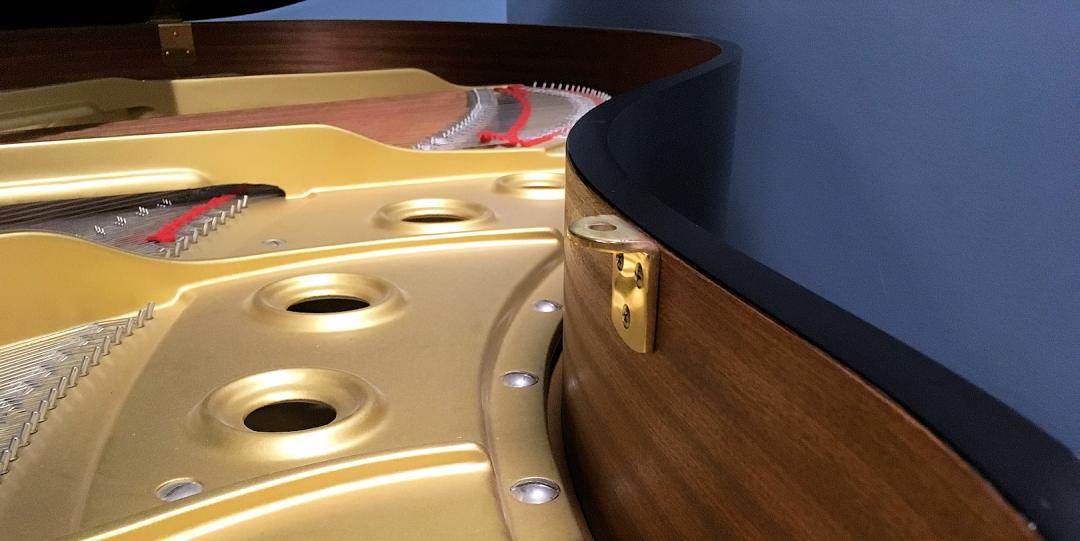
Unspecified Rim Material
Some manufacturers often use terms like “select hardwoods” and “carefully selected wood based on its acoustic characteristics” to describe their materials. Most often in the piano industry, this can be interpreted as “may change without notice.” Not committing to a standard in writing leaves shoppers in the dark as to what they are purchasing. In the case of some older pianos, the information is simply not able to be verified through research.
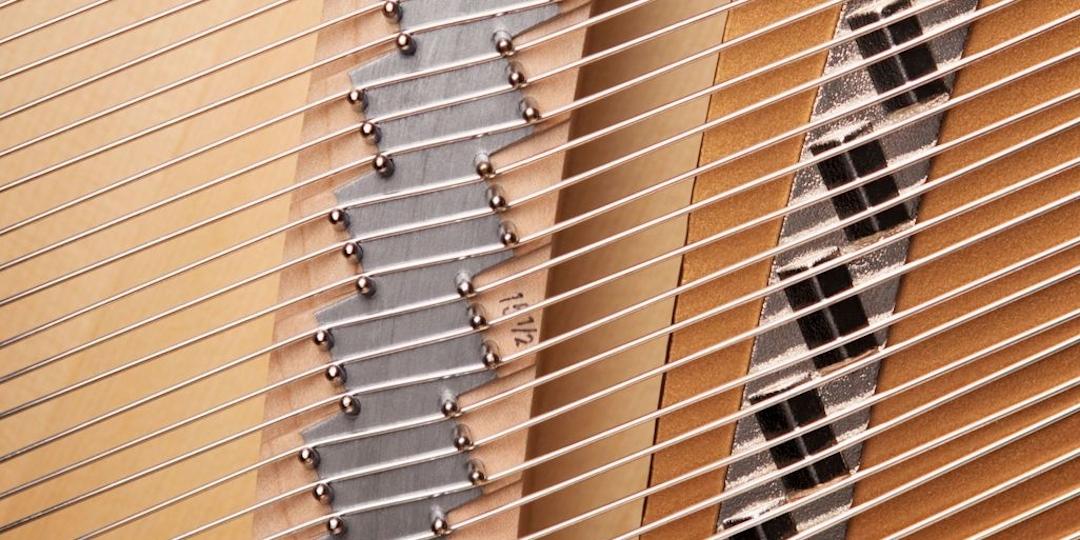
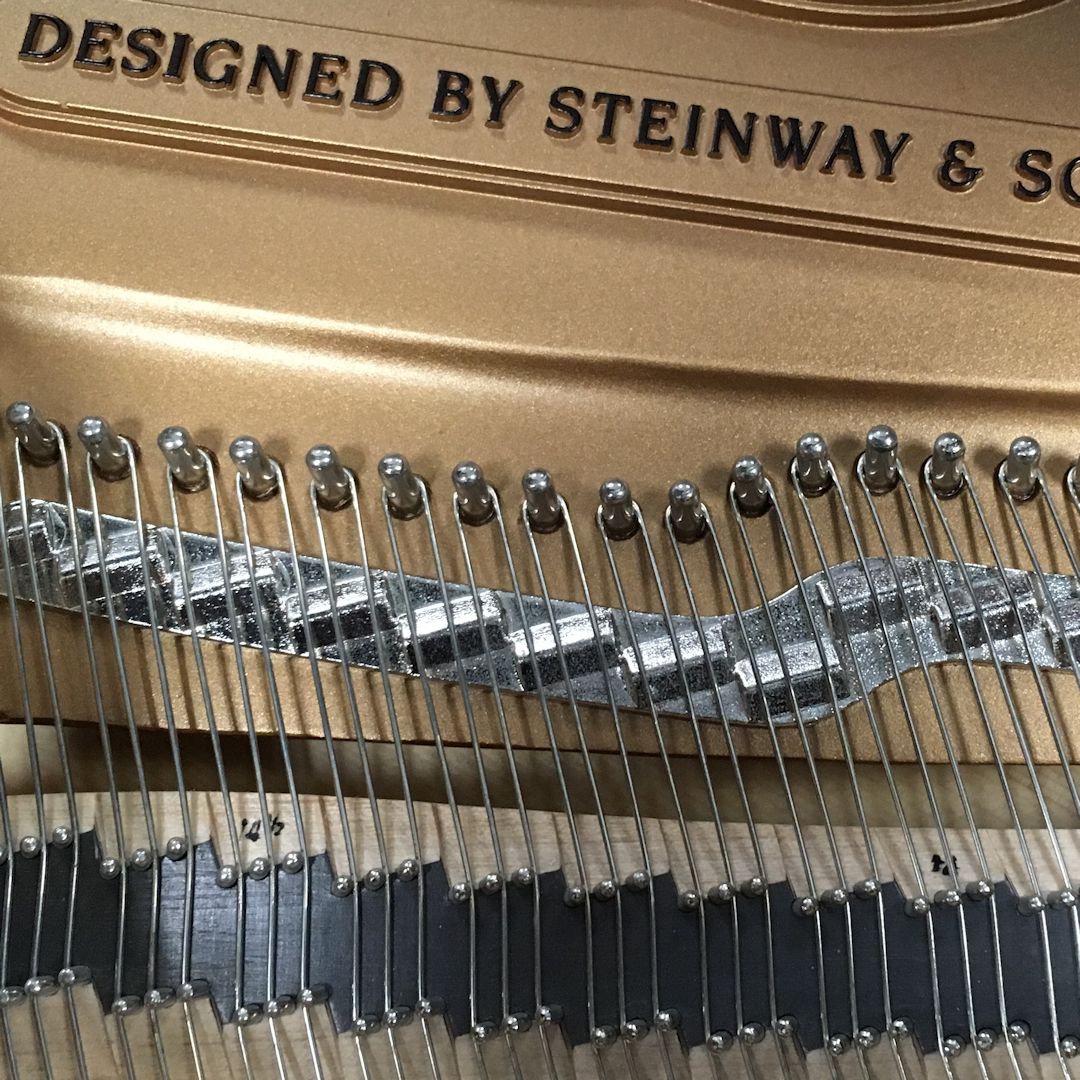
Duplex Scale Design
Originally patented by Steinway in 1872, similar designs are now implemented in countless performance grands. Each treble string is sectioned into three separate vibrating lengths. The longest is in the middle and this is the main note we hear. The duplex sections on either end are tuned to upper harmonics of the main note. This design greatly enhances the complexity and richness of the tone and increases the strength of the very highest notes.
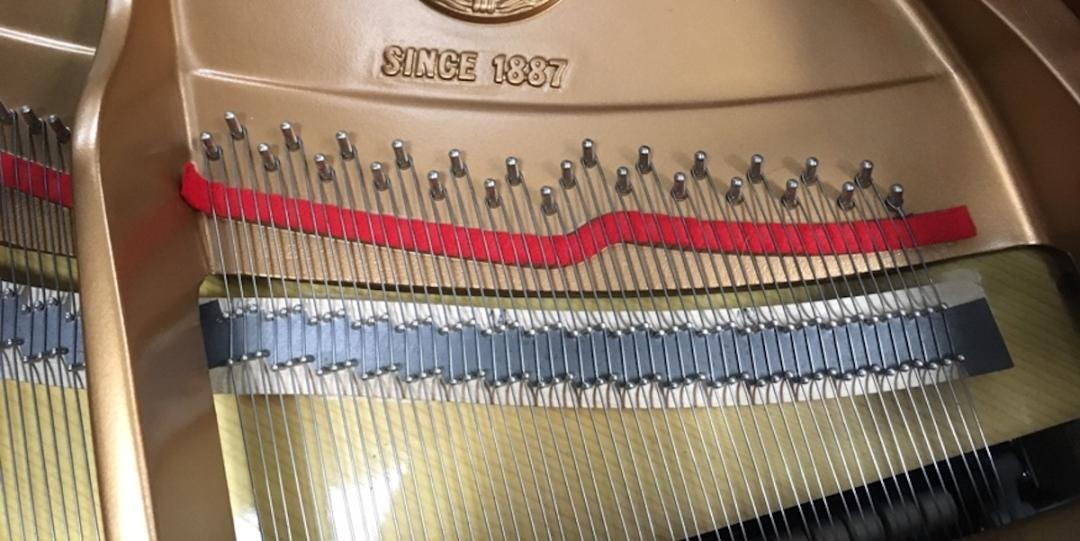
No Duplex Scale
Instead of a duplex, felt (red in this example picture) is used to prevent the length of string that extends beyond the bridge from vibrating. By dampening these vibrations rather than utilizing a duplex scale, this design sacrifices those subtle sympathetic overtones and the added richness they provide.
So, which pianos have the premium features?
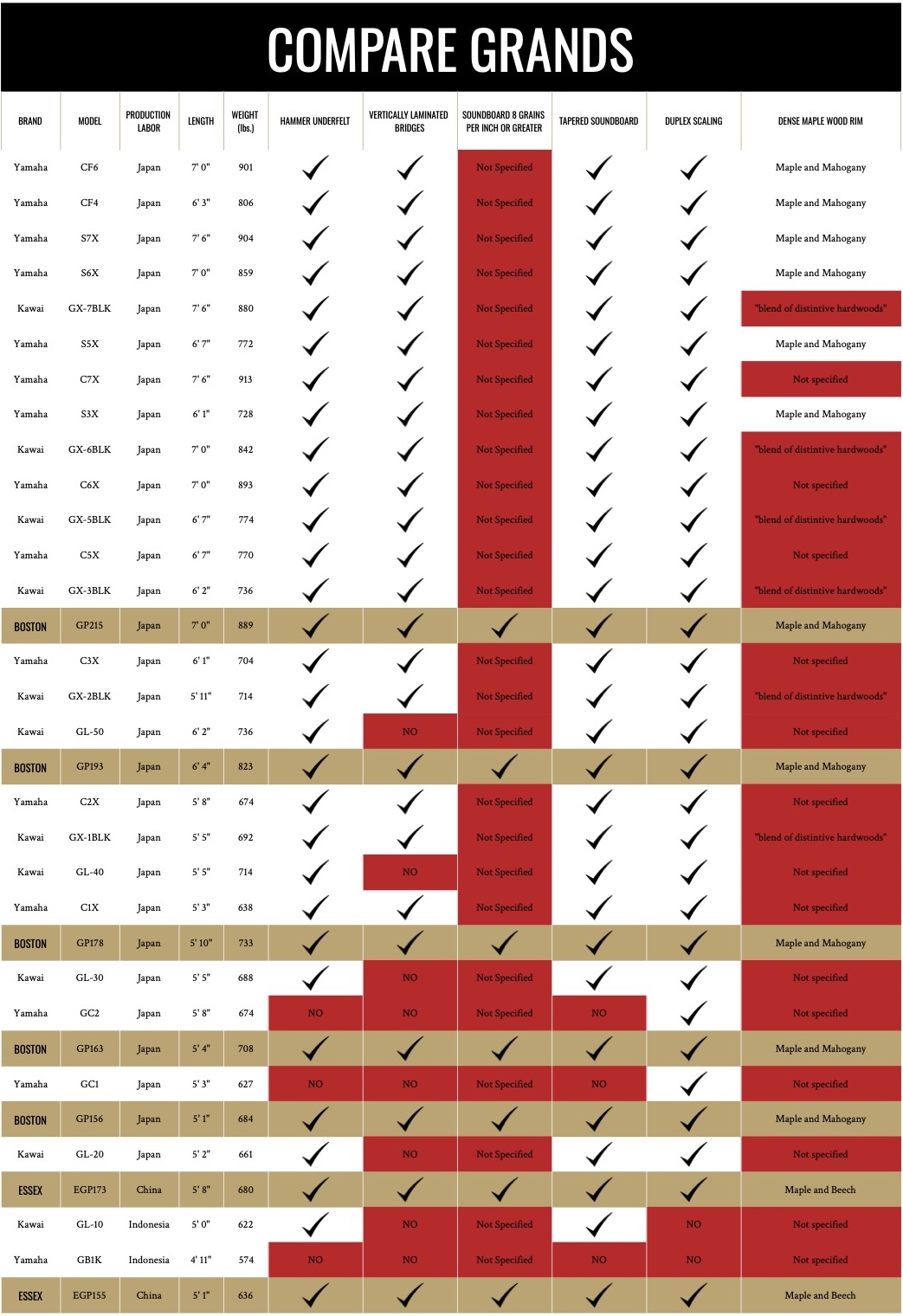
These charts are organized from highest to lowest price. Every Boston & Essex grand has every premium feature. Competitor’s pianos do not.
What are you paying for?
Let’s compare the Boston GP-215 to the Yamaha S6X. The S6X marks the entry point in Yamaha’s lineup for a maple rim, but it comes with a price tag nearly 40% higher than the Boston. If you look at sheer build quality, the Boston is actually 30 lbs heavier, indicating denser, higher-quality materials. It begs the question: what is in the Yamaha to justify that steep price? We haven’t found anything to explain it, nor have the 250+ All-Steinway Schools that choose Boston pianos exclusively for their practice facilities.
Further down the lineup, the entry-level Yamaha GB1K misses out on premium design elements altogether, whereas the Essex EGP-155 incorporates them throughout.
Moving up to the Yamaha C1X—at nearly triple the price—you get closer to a complete feature set, but Yamaha leaves key details like soundboard grade and rim material completely unspecified. Yamaha explicitly advertises maple on their high-end SX Series, acknowledging it as the superior choice for rim construction.
We’ve done the research: this chart lays it all out clearly, showing you exactly which components are built in—and which ones were left out.
About Piano Strings
Greman Roslau piano strings are found in the Yamaha YUS5, but not in any of their more affordable models. Roslau strings are found in all Boston uprights. Mapes strings are found on Boston grands and Essex uprights.
About Roslau Strings
Stahl- and Drahtwerk Röslau GmbH is a German manufacturer of some of the finest piano wire in the world. Known for its consistency and rich tone, it is found in many high performance pianos…including Essex, by Steinway & Sons.
About Mapes Strings
Known for their “singing tone” and made right here in the USA, Mapes strings have been found on Steinway & Sons pianos for over a century. A fourth generation company, Mapes holds the first patent for a string winding machine.
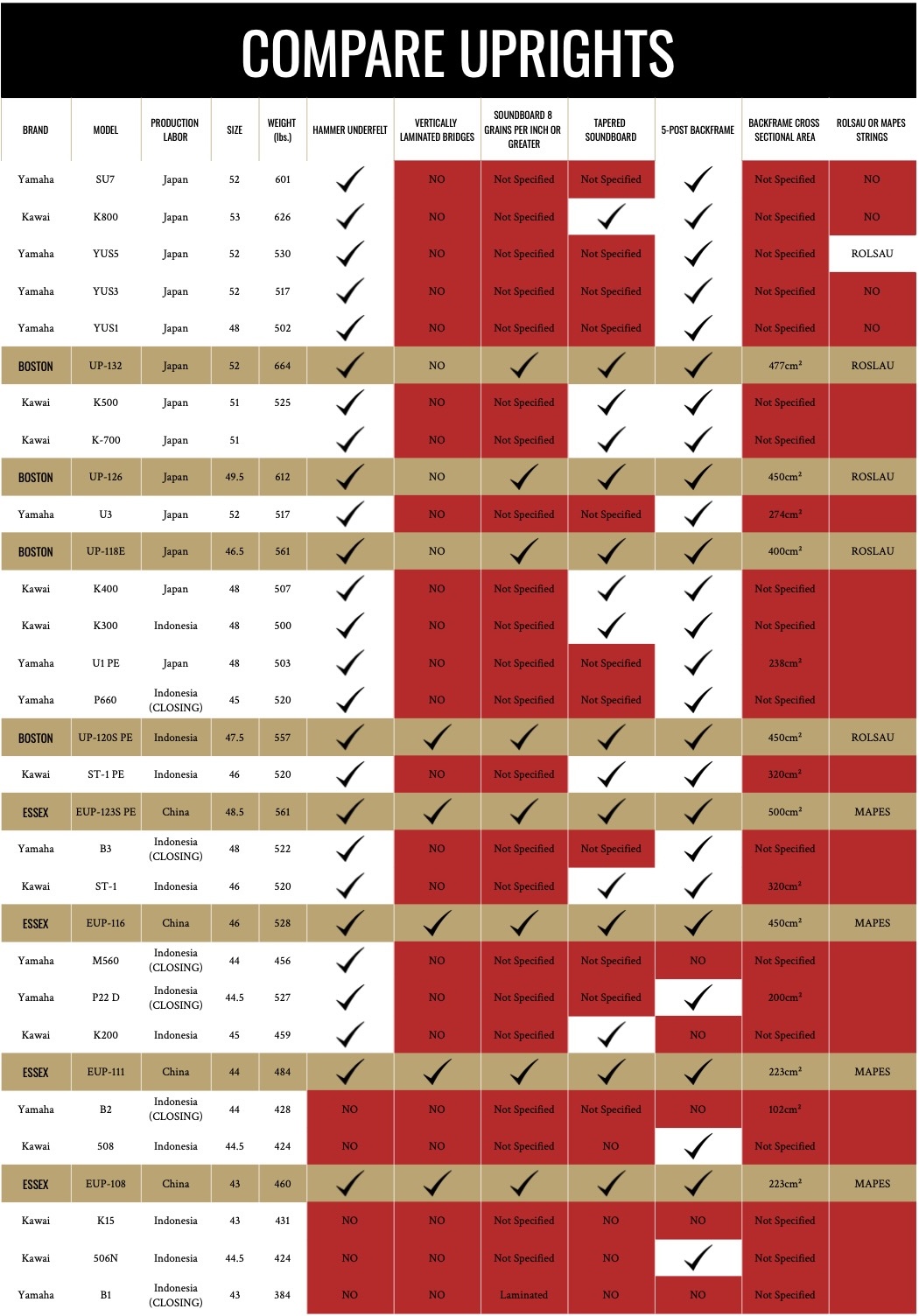
Even the most affordable Essex upright has every single premium design feature.
What are you paying for?
At nearly twice the price of the Essex EUP-123S, the Yamaha U1 is actually an inch shorter and offers only half the backframe cross-sectional area (CSA). Meanwhile, Yamaha’s P22 sits at roughly the same price point, but comes in four inches shorter. Is it any surprise that so many schools are making the switch to Essex?
When we evaluated Yamaha, Kawai, and Essex side-by-side, the conclusion was clear: Steinway-designed Essex pianos deliver significantly better value across the board. Even at the entry level, the comparison holds up—the budget-friendly Yamaha B2 carries just 25% of the backframe CSA found in the Essex EUP-116 while omitting all premium design features entirely.
About Backframe Cross Sectional Area
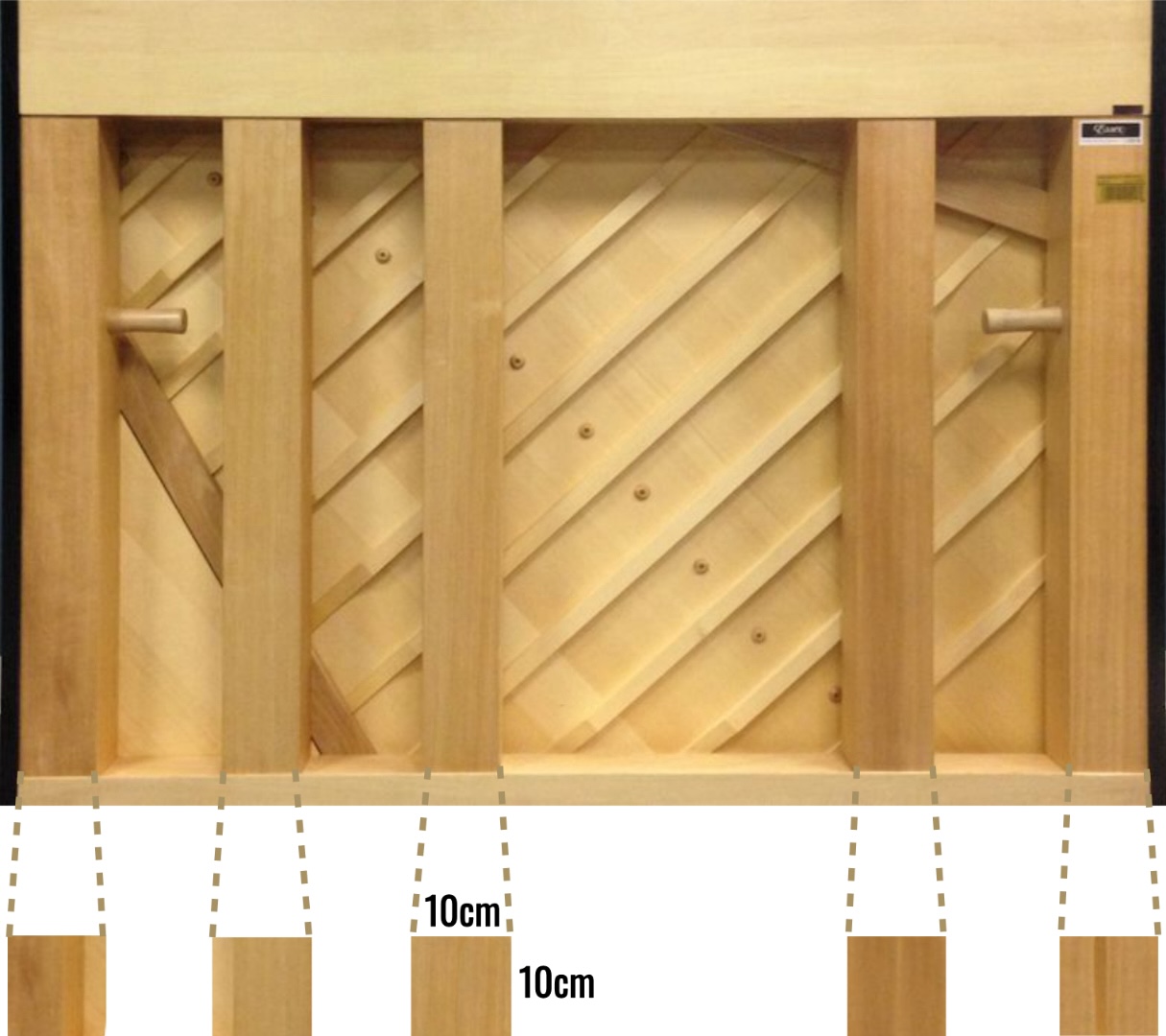
Cross-Sectional Area (CSA) is calculated by the number of posts times the area of each post. The five 10cm x 10cm posts of the Essex EUP-123S give it a 500cm CSA.
The backframe of an upright piano does the same job as the curved rim of a grand piano: it holds the soundboard in place and maintains the all-important crown of the soundboard for the life of the piano. You do not see it, but all piano soundboards are designed with just the right amount of curvature (crown) to maximize sound projection.
When the strings are tightened to their approximately 40,000 lbs. of cumulative tension, there will be approximately 700 lbs. of pressure pushing down on the bridges, and therefore the soundboard. The stronger the backframe, the better the soundboard crown will meet and hold against that 700lbs. of pressure for the life of the piano.
A backframe with substantial Cross-Sectional Area promotes long piano life and better performance later in life.
Who makes the best affordable piano?
For various reasons, opinion posts on the Internet (some of them over 20 years old) ignore all measures of quality and summarily put down all pianos made in China. It is amusing to wonder how many of those posts were made using a happily-purchased Chinese-made computer. Or how many of the critics drive a Chinese-made car produced by an American Company.
We will be the first to agree that the finest pianos in the world are made right here in New York at the Steinway factory. We never talk anyone out of getting an American-made Steinway or a Japanese-made Boston. If you like those pianos and they fit your budget, you should absolutely get one. However, a large percentage of our customers are first-time buyers and are shopping for pianos in the Essex price range and since all the major companies like Steinway, Yamaha and Kawai are producing pianos in China/Indonesia, the question becomes: who makes the best piano in China/Indonesia?
Most shoppers we meet have no idea that Yamaha and Kawai even make pianos in China, Indonesia, Taiwan, and other places. These are global companies that mass-produce pianos globally. Our research shows pretty clearly that these companies favor a step-up-feature philosophy, stripping features and materials away from their best designs to reach the lowest price; but this also delivers lower value.
Steinway’s Essex pianos are unique, in that they are all built with the same one-piano philosophy; regardless of price and regardless of size: ESSEX QUALITY IS CONSISTANT FROM MODEL TO MODEL.
LIMITED PRODUCTION VS MASS PRODUCTION
Boston and Essex were designed for low-production and rigorous quality oversight. Only about 3000 of each brand are made each year and production is overseen by Steinway engineers. The difference in philosophy is made clear when compared with Yamaha’s mass production of well over 100,000 pianos per year.
FEELING GOOD ABOUT IMPORTED GOODS
Boston and Essex pianos are made overseas, just like Yamaha and Kawai pianos, but Steinway is an American company. More of your purchase dollars stay in America with the purchase of an Essex than of any of the Yamaha and Kawai pianos in the same price range. In fact, because Steinway calls Astoria, NY home, it is safe to say more of your dollars stay right here in New York!
Why we switched.
Big decisions require a lot of research; we did so much of it, this page became one of the most talked about pages in the piano world. When we sold Yamaha and Kawai acoustic pianos side-by-side, our impression was that, dollar-for-dollar, these two brands were equal in quality and performance and it really came down to which piano had the touch and tone a shopper preferred. It made sense to us: Kawai was started by Koichi Kawai, who worked for Yamaha before starting his own company. The two companies have been competing in Japan since 1927 and have historically mirrored each other in design and production techniques.
When the new Yamaha B Series uprights came out, we noticed several departures from what we considered to be good design. The new Yamaha pianos were not like the ones we had represented for over 20 years. Really good designs previously made in Yamaha’s Chinese factory were all at once discontinued and demonstrably inferior B-series models were introduced from Indonesia at the same price.
Most of our clients are parents shopping for a starter piano for their children to practice on while they are taking lessons, so pianos in the more affordable price ranges represent a large part of our business. We have always prided ourselves on being good shoppers: able to select the best values for our customers, so we set out to discover who was producing the finest affordable pianos in the world. Unsurprisingly, our research led us to the maker of the finest pianos in the world: Steinway & Sons.
Yamaha beat Baldwin…
It is worth noting that through the 1960s and 1970s, many would agree that Baldwin was the predominant affordable piano, recommended by teachers and technicians alike for beginners and recreational pianists. When Yamaha pianos were initially exported to North America they were not considered to be well made. In fact, the Japanese manufacturer had much to learn about seasoning wood materials for the North American market, as homes in this region are typically much drier than those in Japan—especially during the winter months when we heat our homes and dry the air. Today, Yamaha touts their “Seasoned for Destination” pianos, where the wood for pianos destined for North America is seasoned longer than the wood for pianos destined for the domestic Japanese market.
By the 1980s and 1990’s, Japanese factories produced very consistent quality products, beating out American manufacturers across a myriad of industries, pianos included. Baldwin filed for bankruptcy in 1984, but a management buyout saved the company for a time. It took a long time, decades in fact, but Yamaha, and to a lesser degree, Kawai, won the hearts and minds of piano technicians and teachers, eventually replacing Baldwin as the most recommended affordable piano. Baldwin suffered a second bankruptcy in 2001, eventually ending all US production and the Baldwin piano as we had known it.
…But that was before Steinway designed a piano for assembly line production
In 1991, Steinway & Sons developed an entirely new line called Boston Pianos. This new brand incorporated all the best design features of a Steinway, but instead of being handmade, it was manufactured on a production line under the supervision of a team of Steinway engineers. It was an unqualified success. Today, Boston is the #1 exclusive collegiate practice piano. Over 250 top colleges, universities, and conservatories use Boston pianos exclusively in their practice rooms, faculty offices and for any purpose not fulfilled by a Steinway piano. This is an achievement worth noting, because, in the 325+ year history of the piano, no manufacturer has accomplished anything like this.
Essex simply delivers.
In 2001, building on the success of the Boston line, Steinway developed Essex Pianos using the same formula. Essex benefits from global labor rates, bringing the cost down to about half that of a Boston, but retains all of the core design features. Essex is the only affordable brand we have ever encountered where every model is built with the same quality standards. Steinway does not eliminate features or alter material specifications simply to meet a lower price point. In fact, Essex pianos compare favorably with similarly-sized pianos by other manufacturers priced two to three times higher.
What the internet had to say.
When we did most of our research, comparing Yamaha vs. Kawai vs. Essex, we found a lot of chatter about Essex in piano forums. We do not recall ever seeing anyone say they did not like the performance of Essex pianos. The only recurring criticism, however unsubstantiated, was that shoppers would somehow be “paying for the name.” In other words, the price of Essex was assumed to be elevated because it is a Steinway product. We can say, beyond a shadow of a doubt, that Essex delivers value far beyond it’s price. In fact, when you compare similarly-priced pianos side-by-side, it might be said that shoppers are paying too much for the Yamaha name these days.
essex vs. Yamaha
Compare Essex EGP-155 vs. Yamaha GB1K
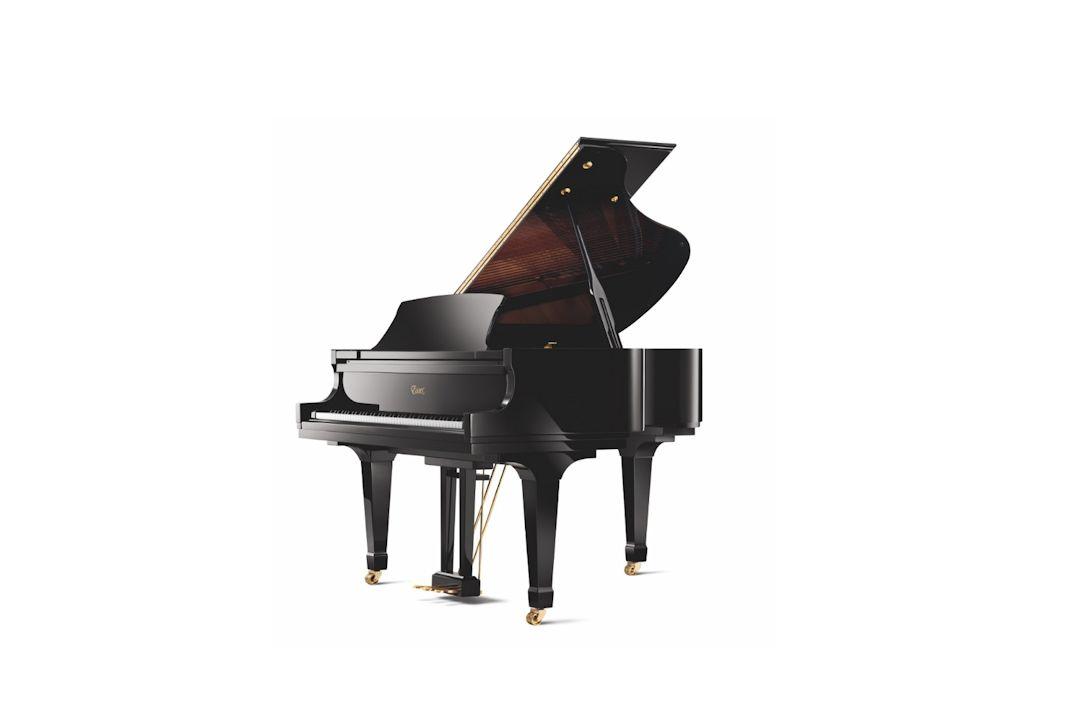
5′ 1″ ESSEX EGP-155
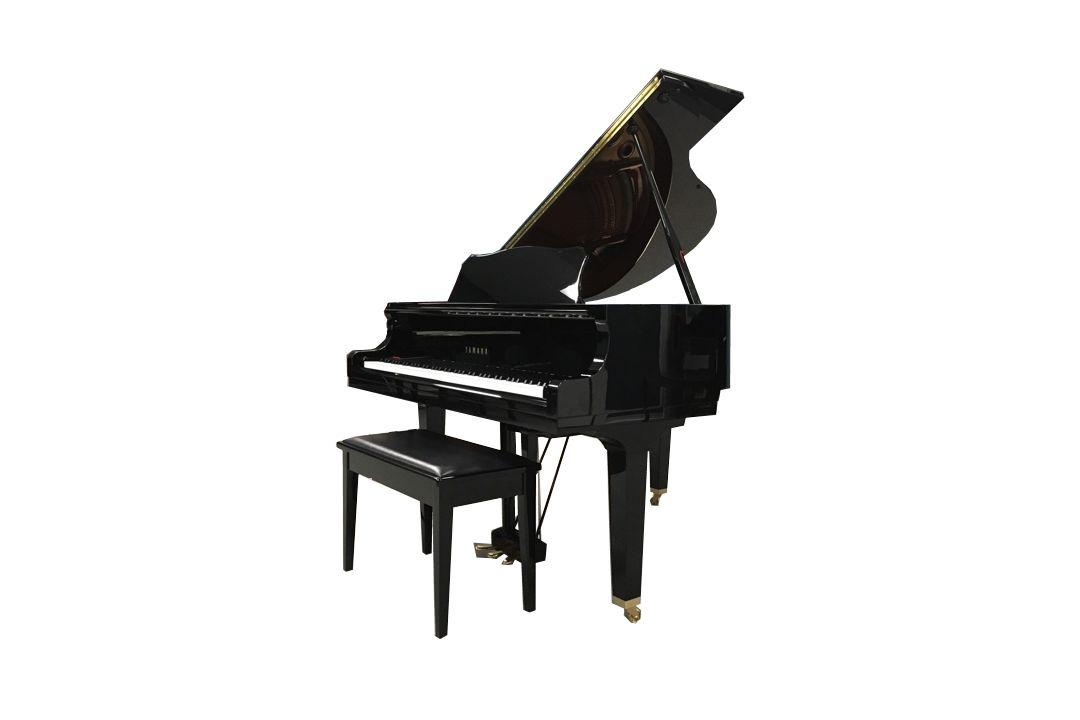
4′ 11″ Yamaha GB1K
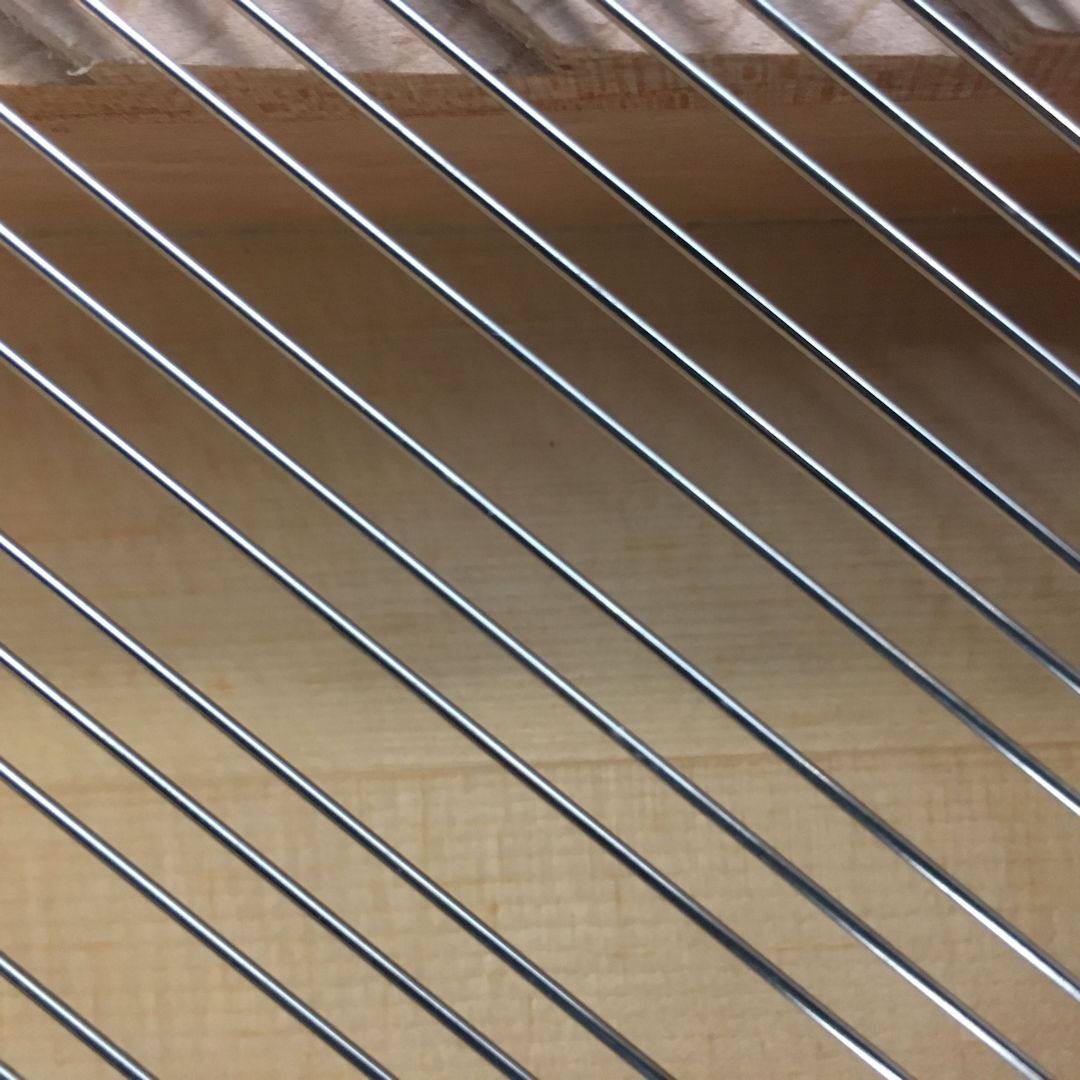
Premium Soundboard
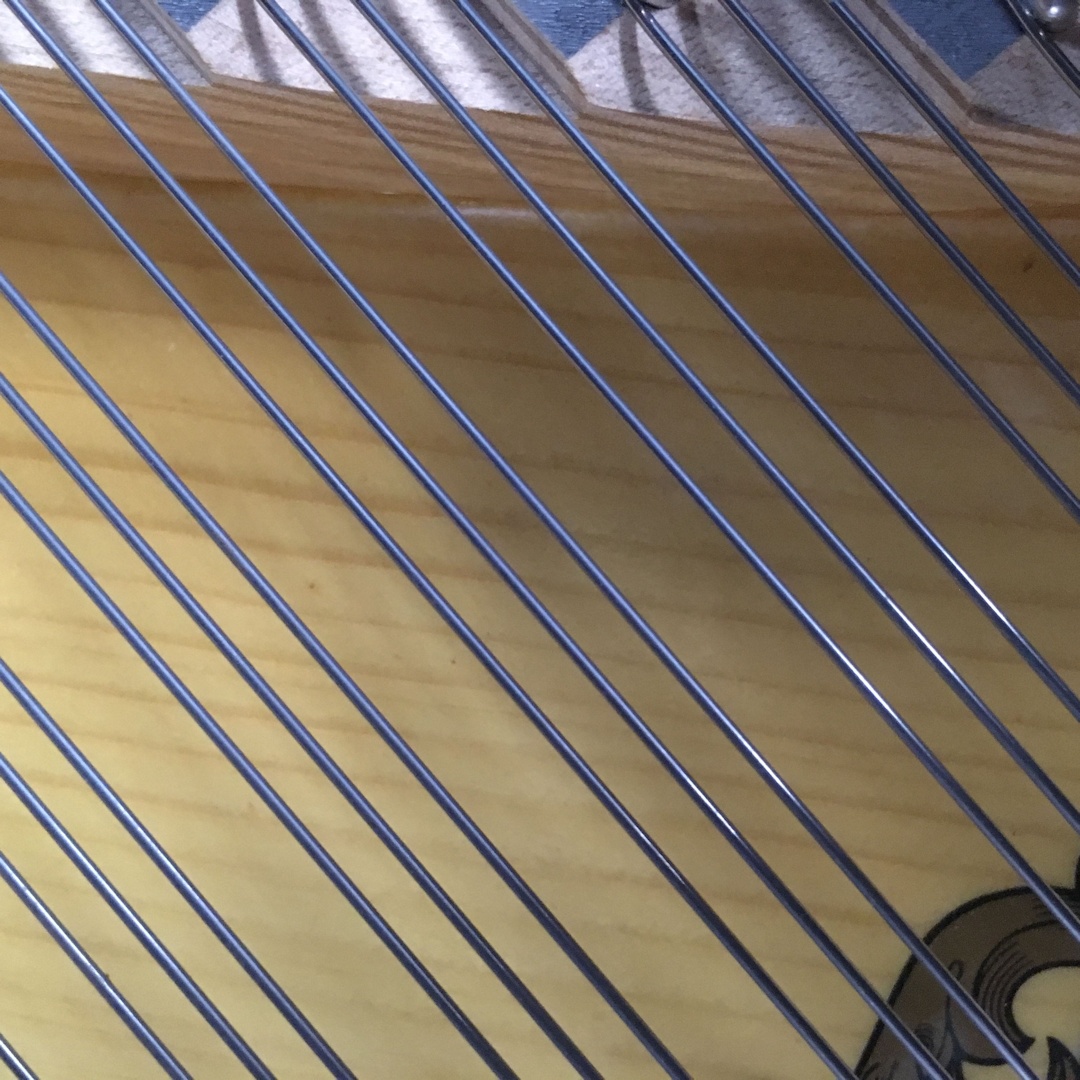
Standard Soundboard
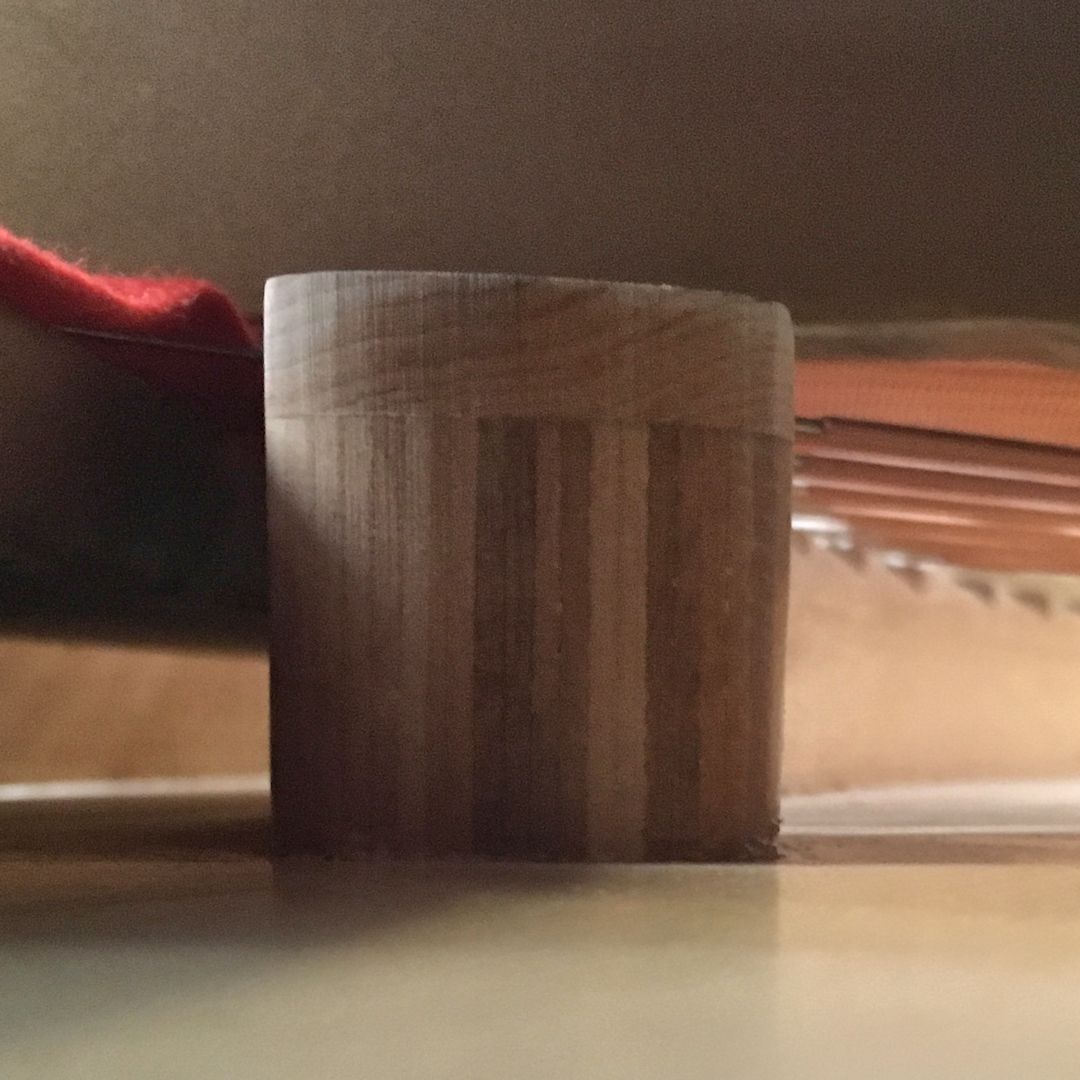
Vertically Laminated Bridges
Standard Solid Bridges
Hammer Underfelts
No Underfelts
Duplex Scale
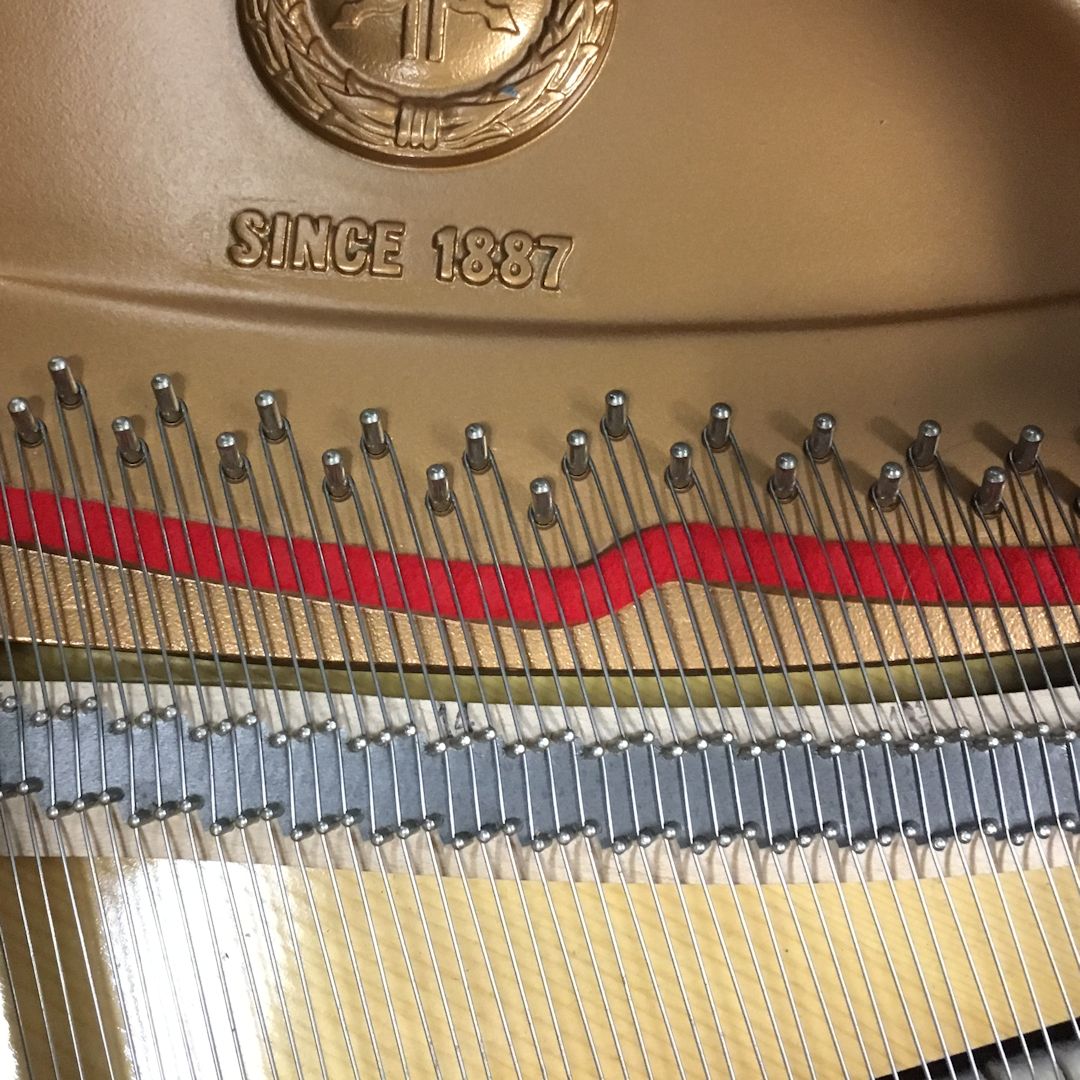
No Duplex
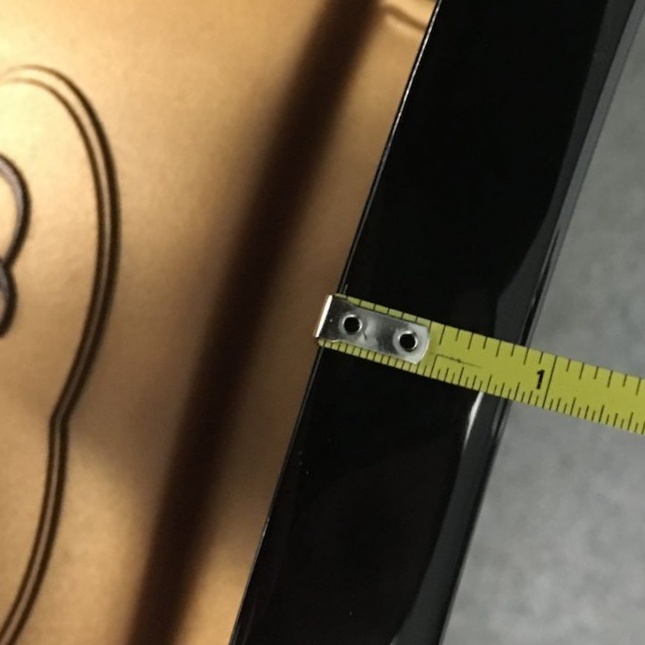
6.22 CM Total Rim Thickness
Maple Outer Rim
Beech Inner Rim
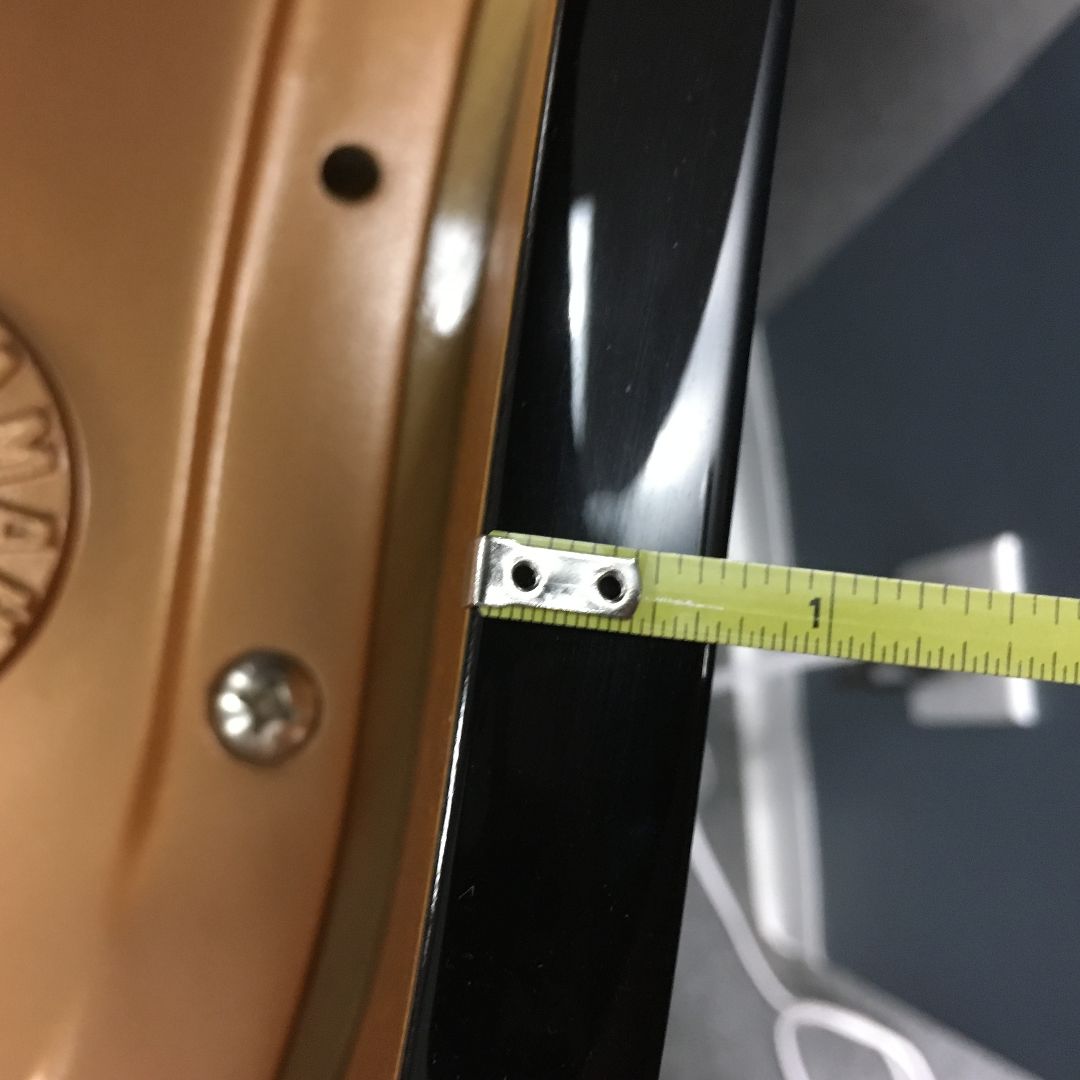
5.4 CM Total Rim Thickness Unspecified Outer Rim Unspecified Inner Rim
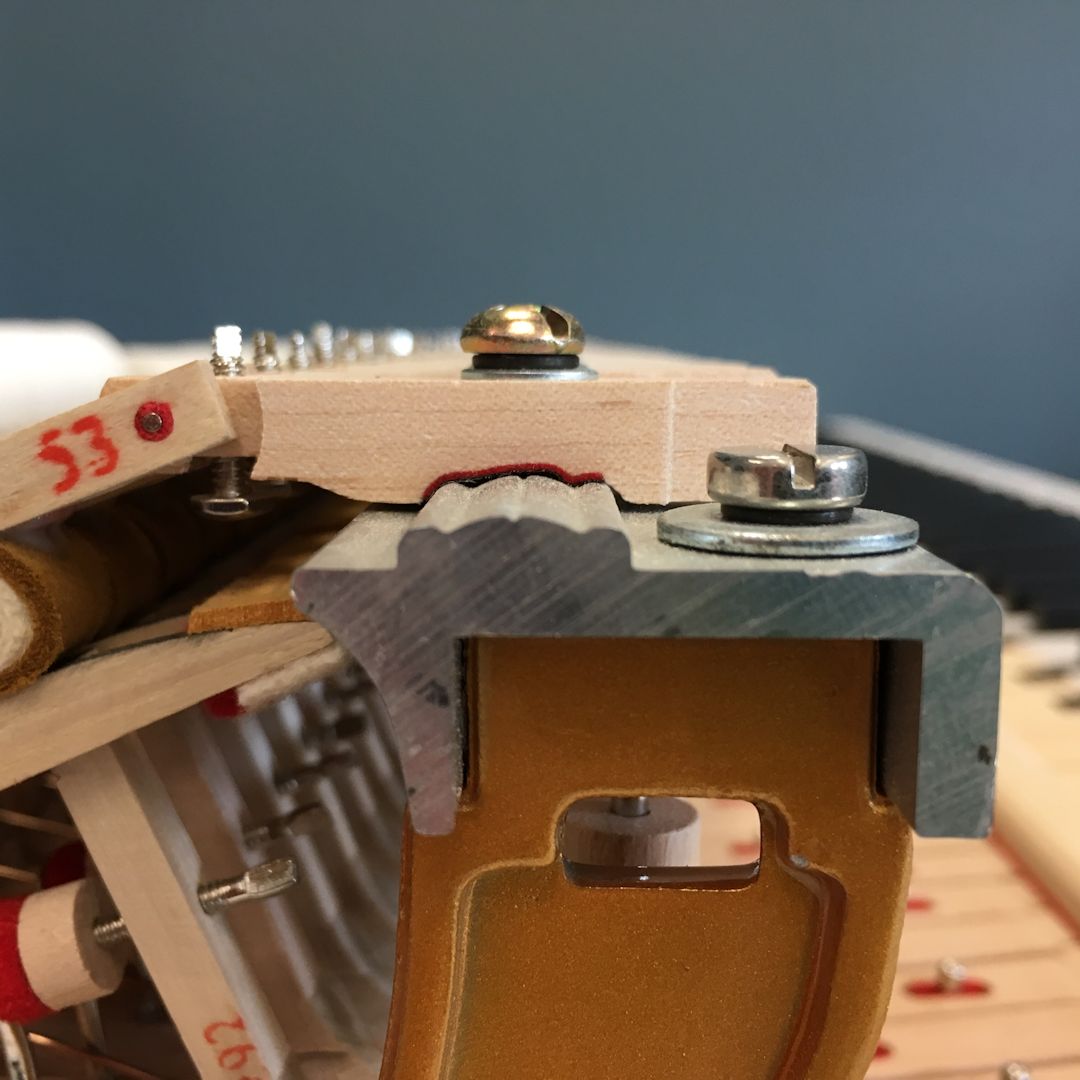
Steinway Style Rosette Flange
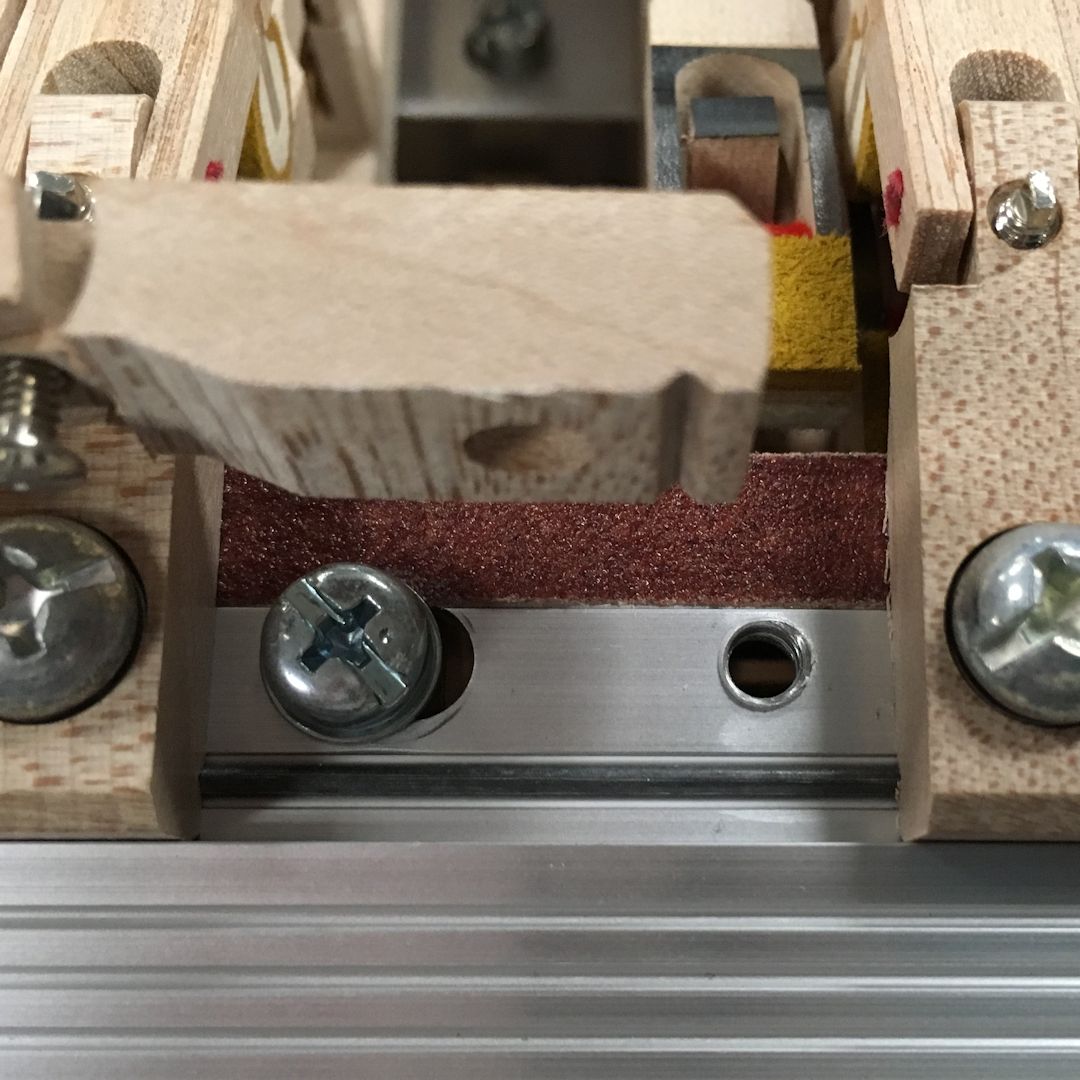
Sandpaper Flange
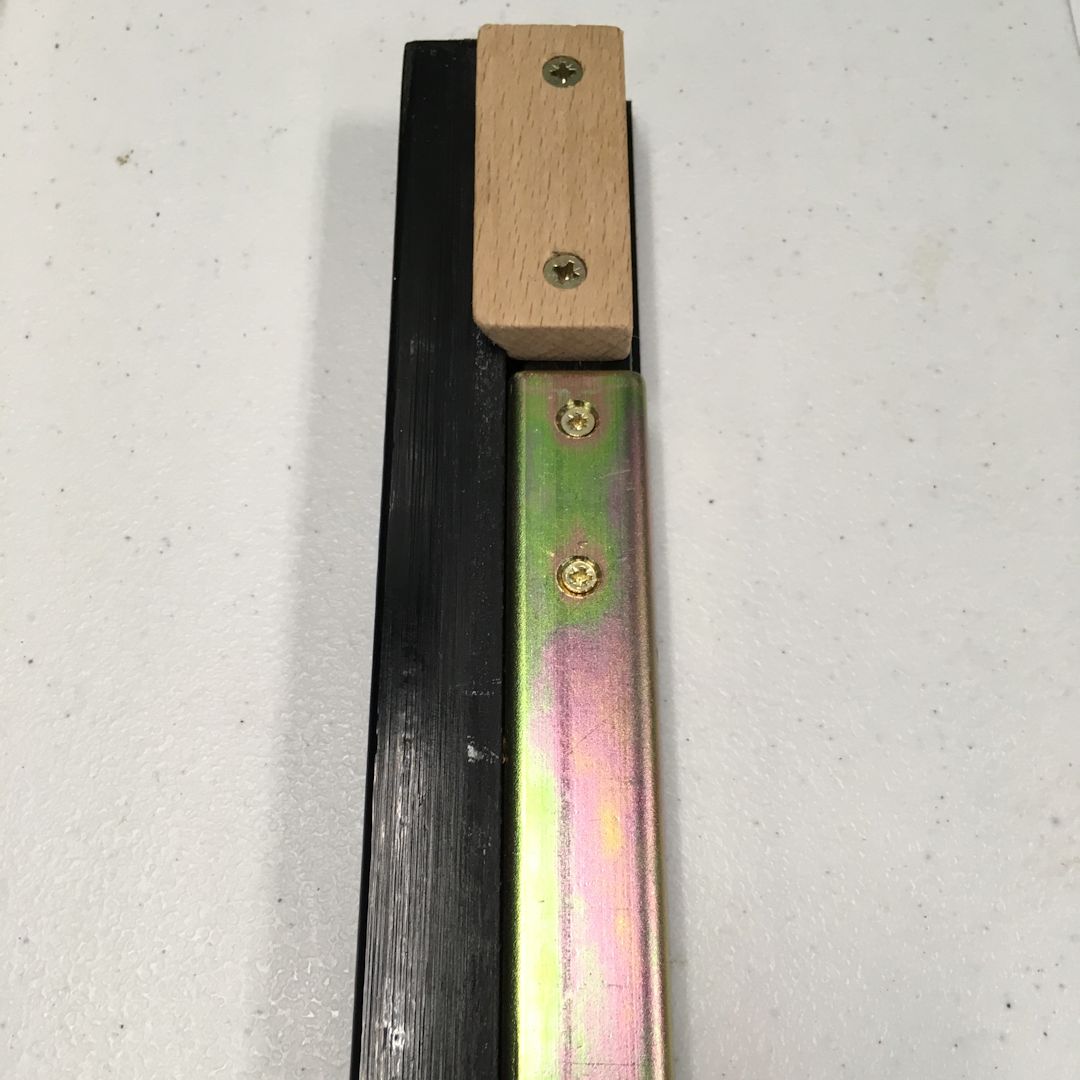
Steel Reinforced Anti-Warp Keyslip
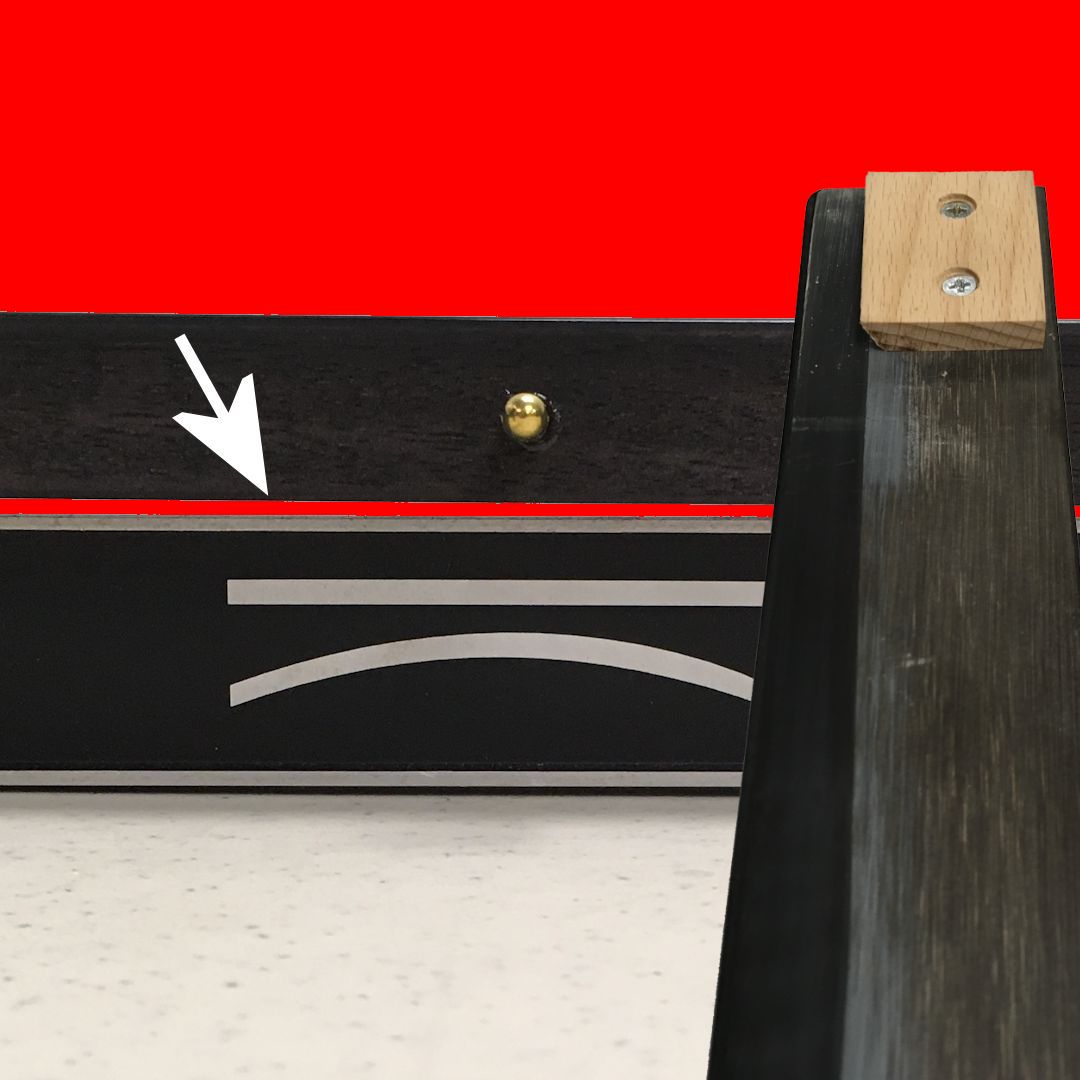
Non-Reinforced Keyslip- The Space shows It Warped
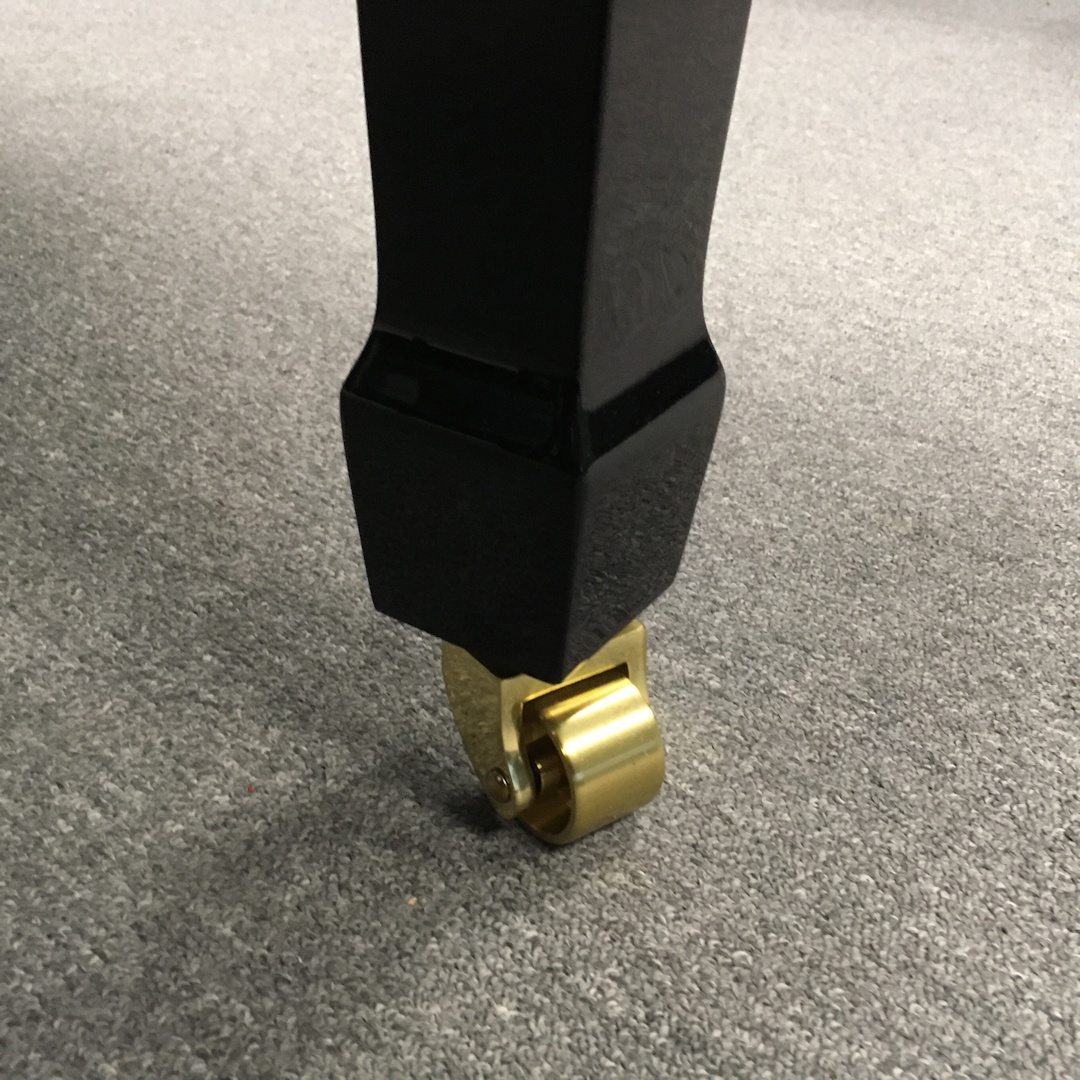
Spade Leg
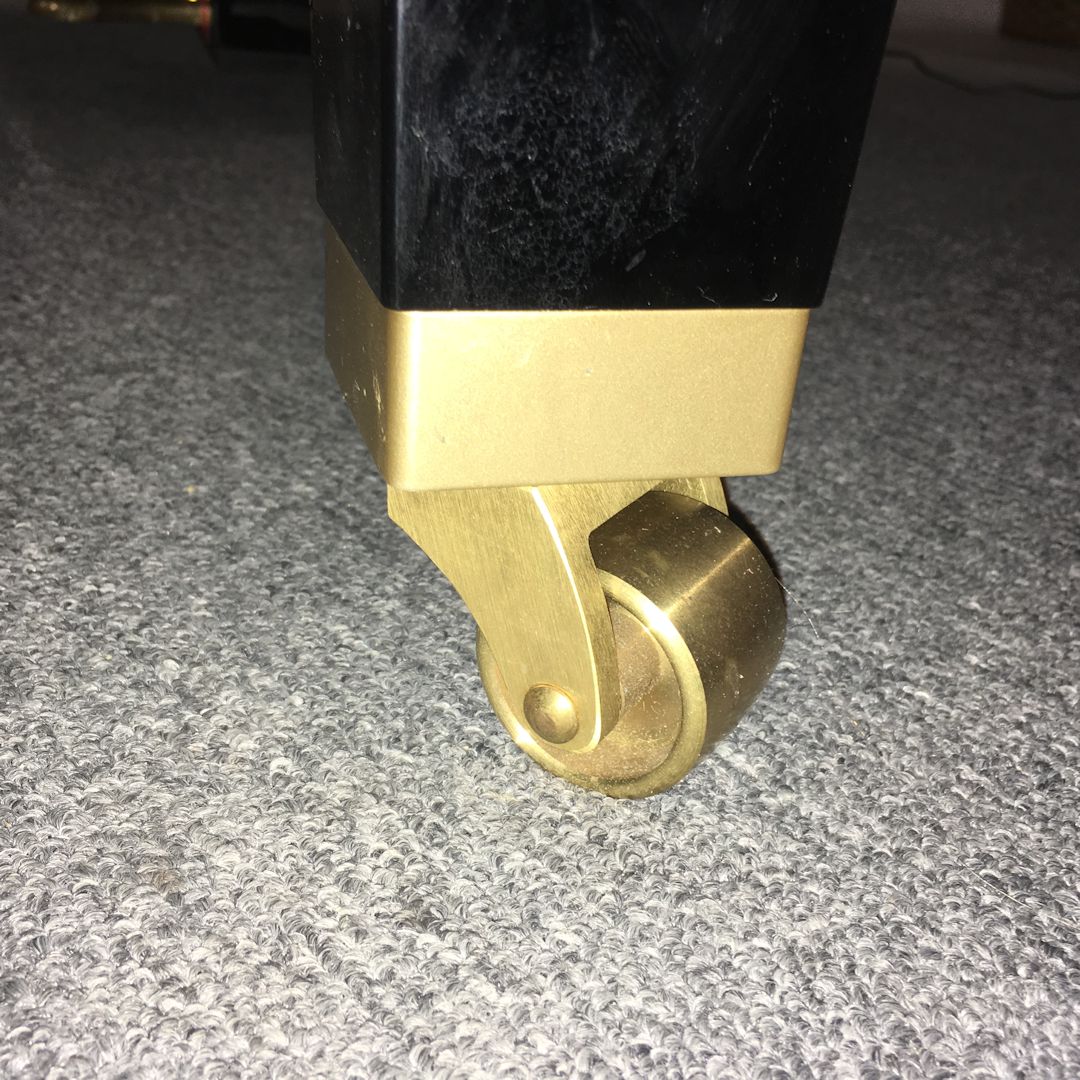
Square Leg
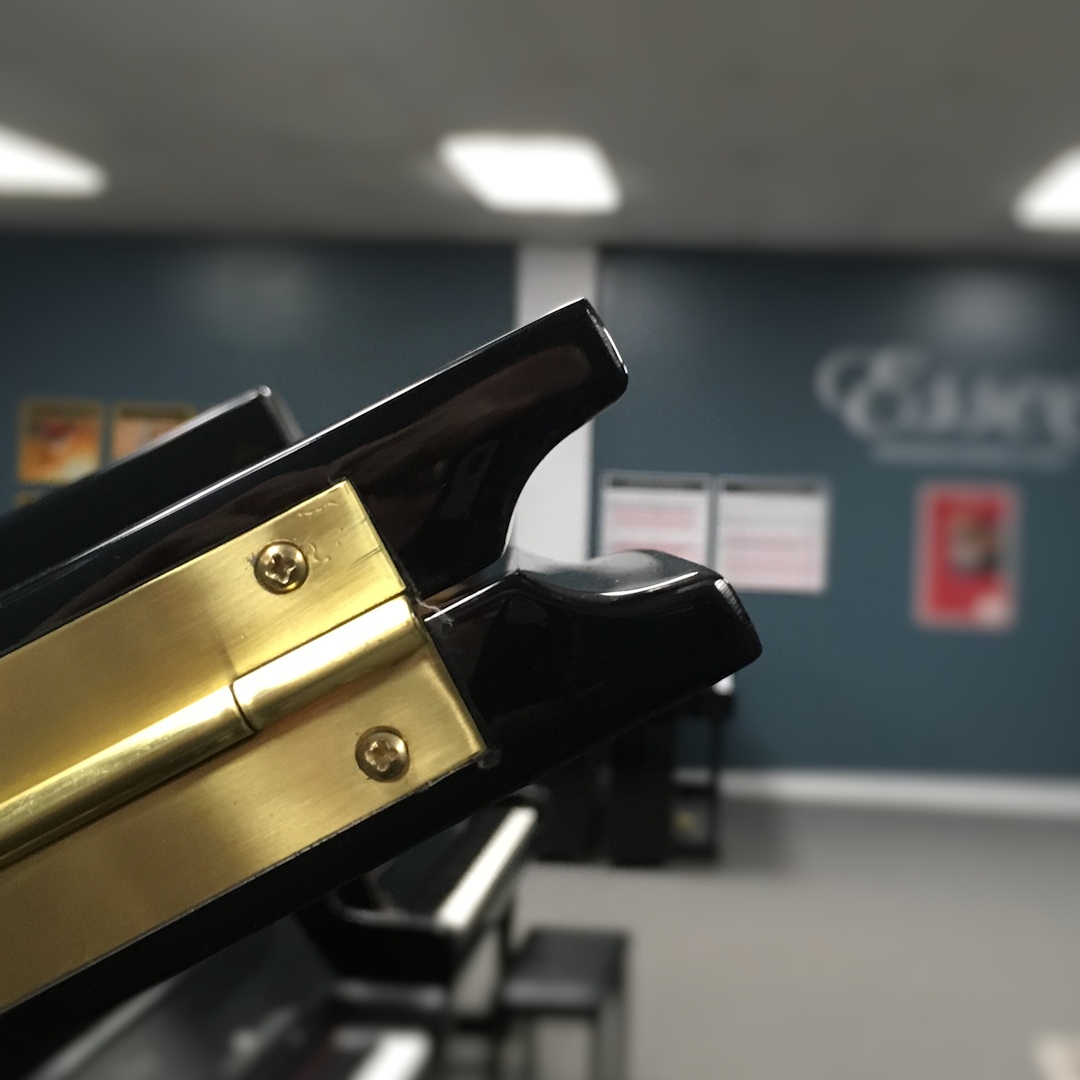
Beveled Cabinetry
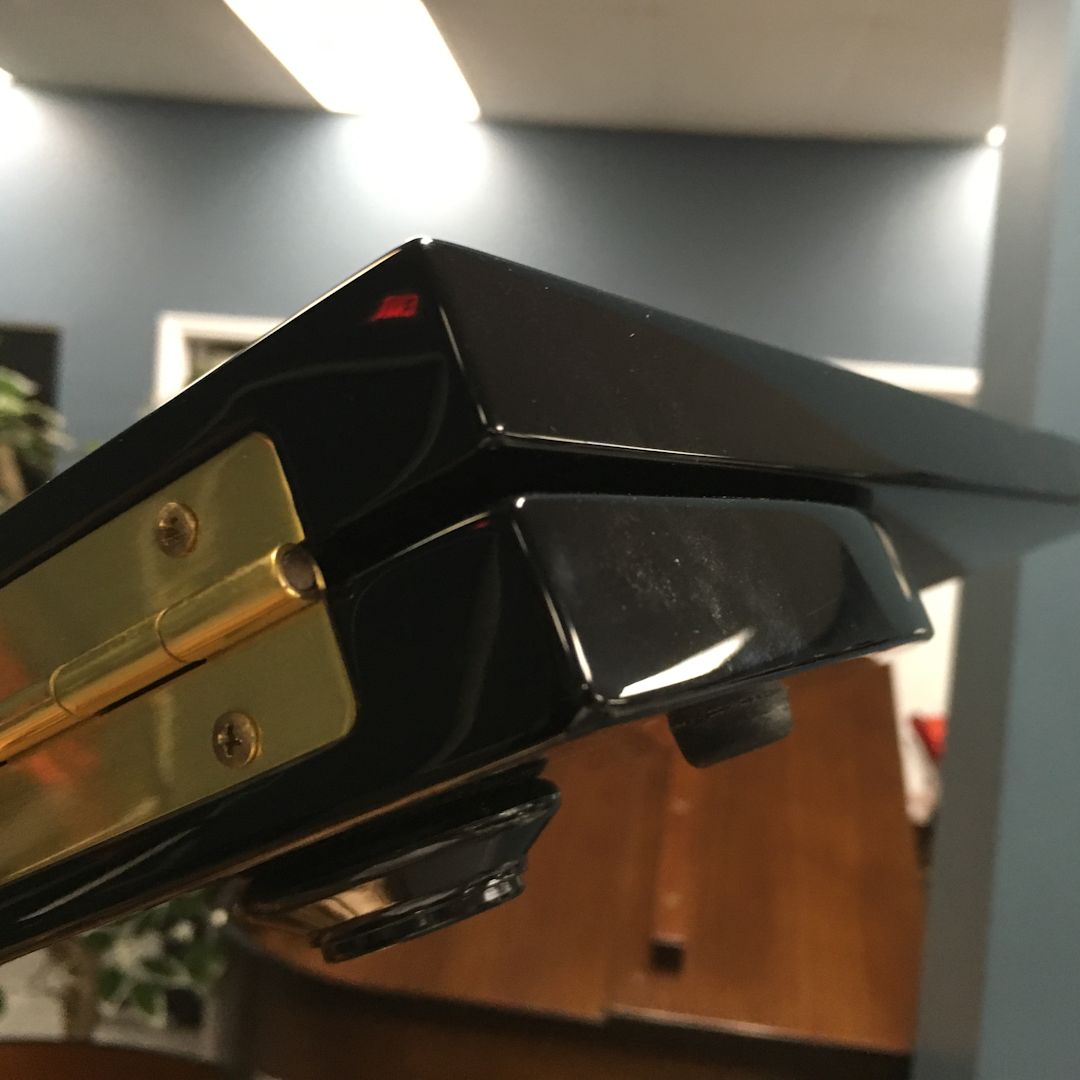
Straight Cut Cabinetry
essex vs. Yamaha
Compare Essex EUP-123S vs. Yamaha U1
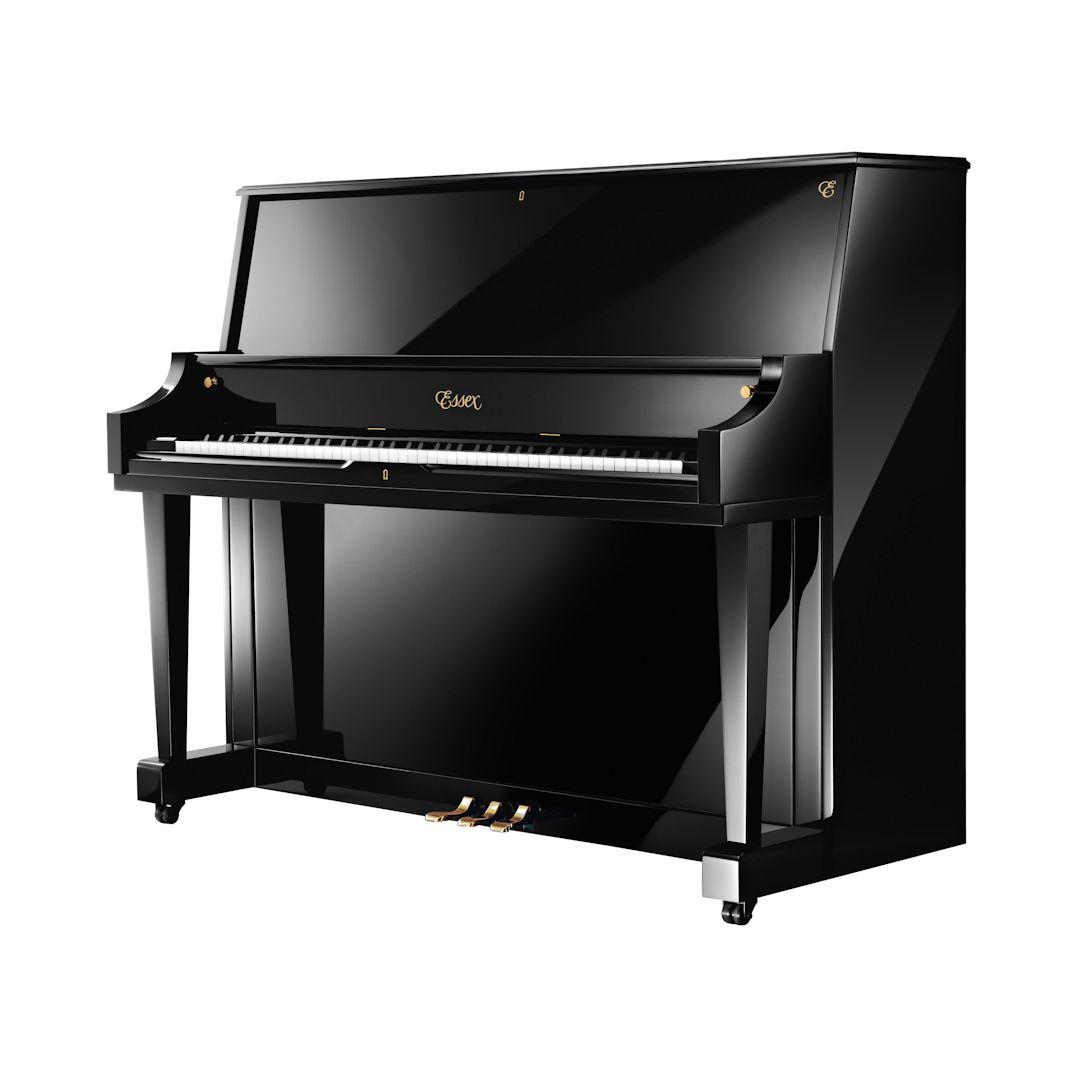
49″ Essex EUP-123S
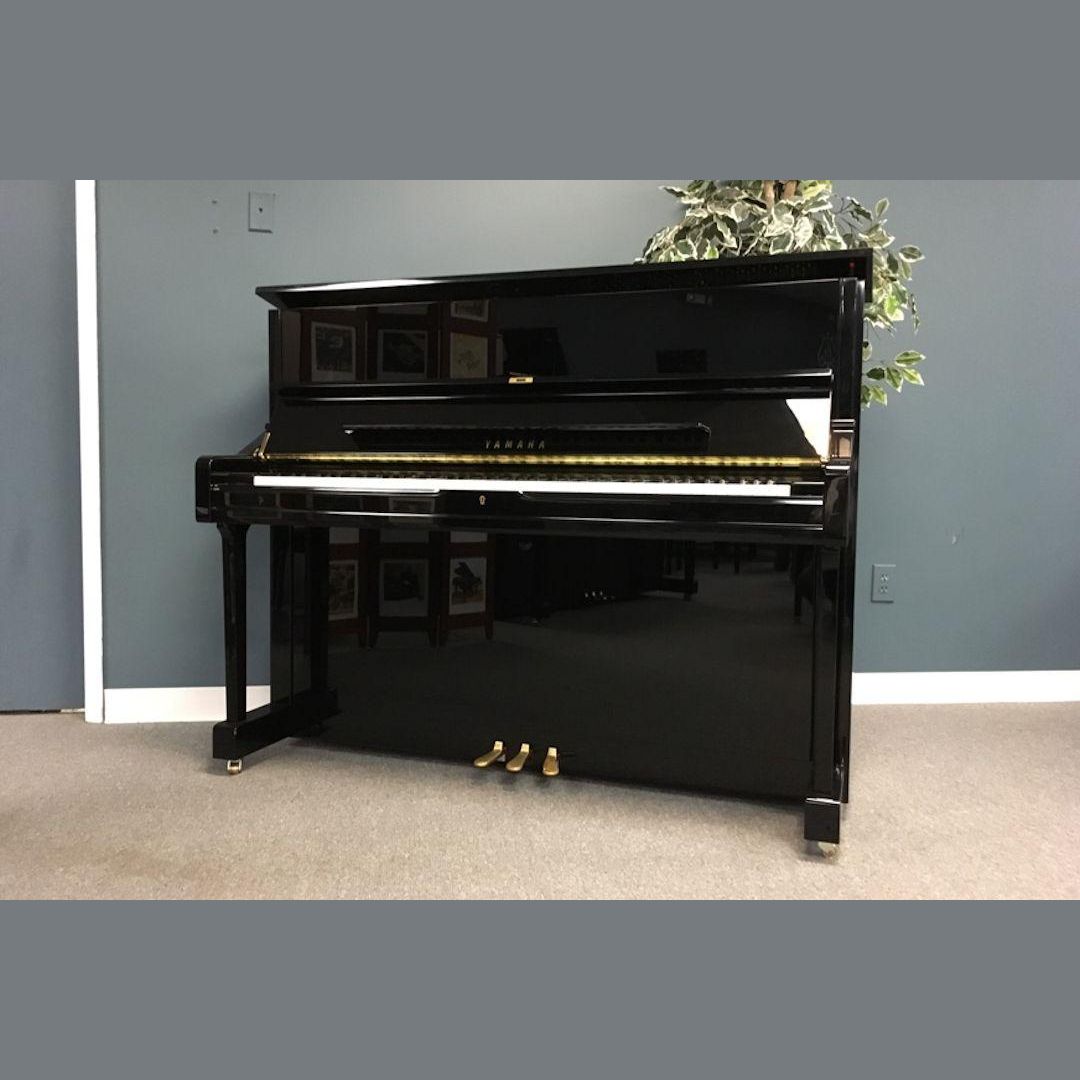
48″ Yamaha U1
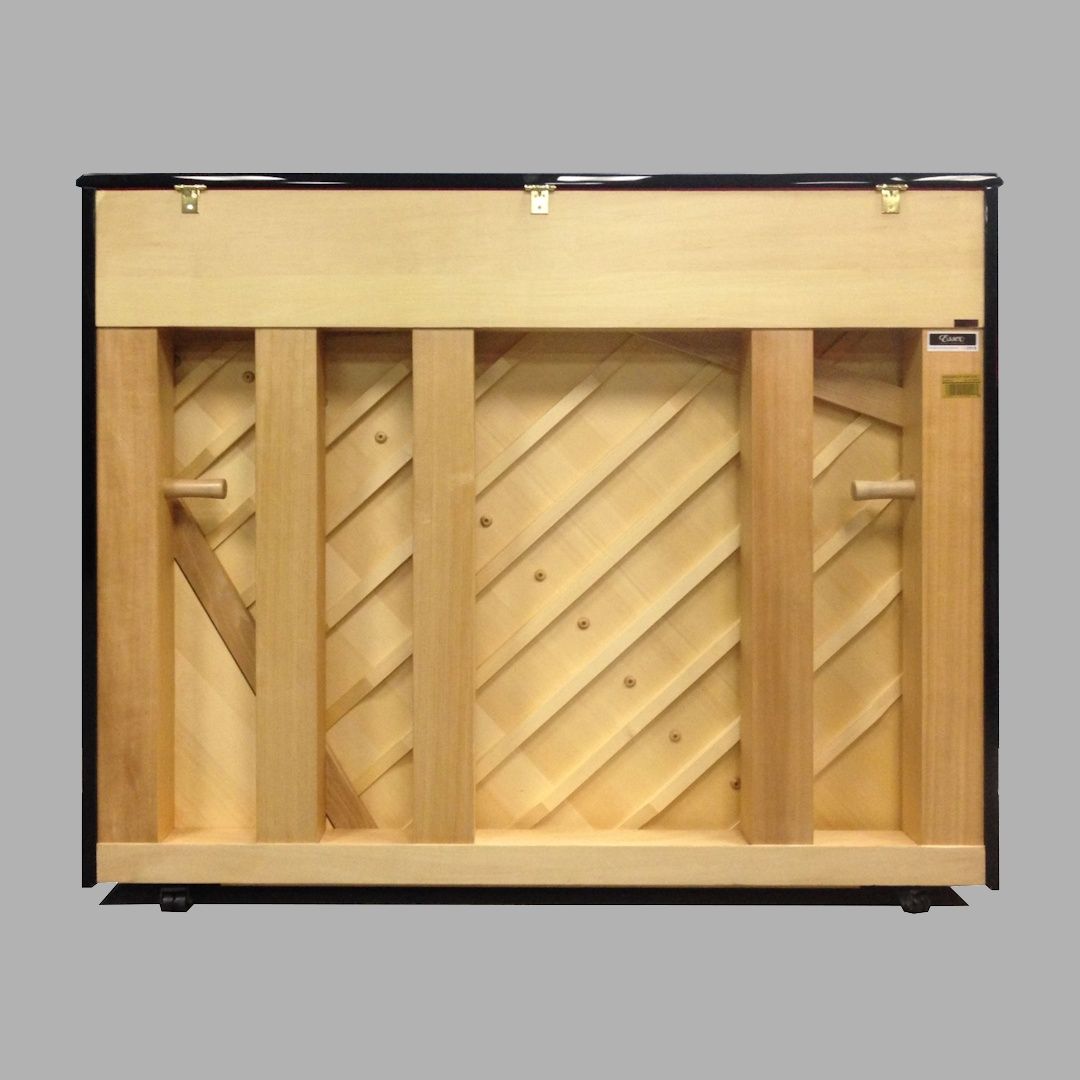
500CM CSA Backframe
210% more mass than the U1
5 Posts
10cm x 10cm ea.
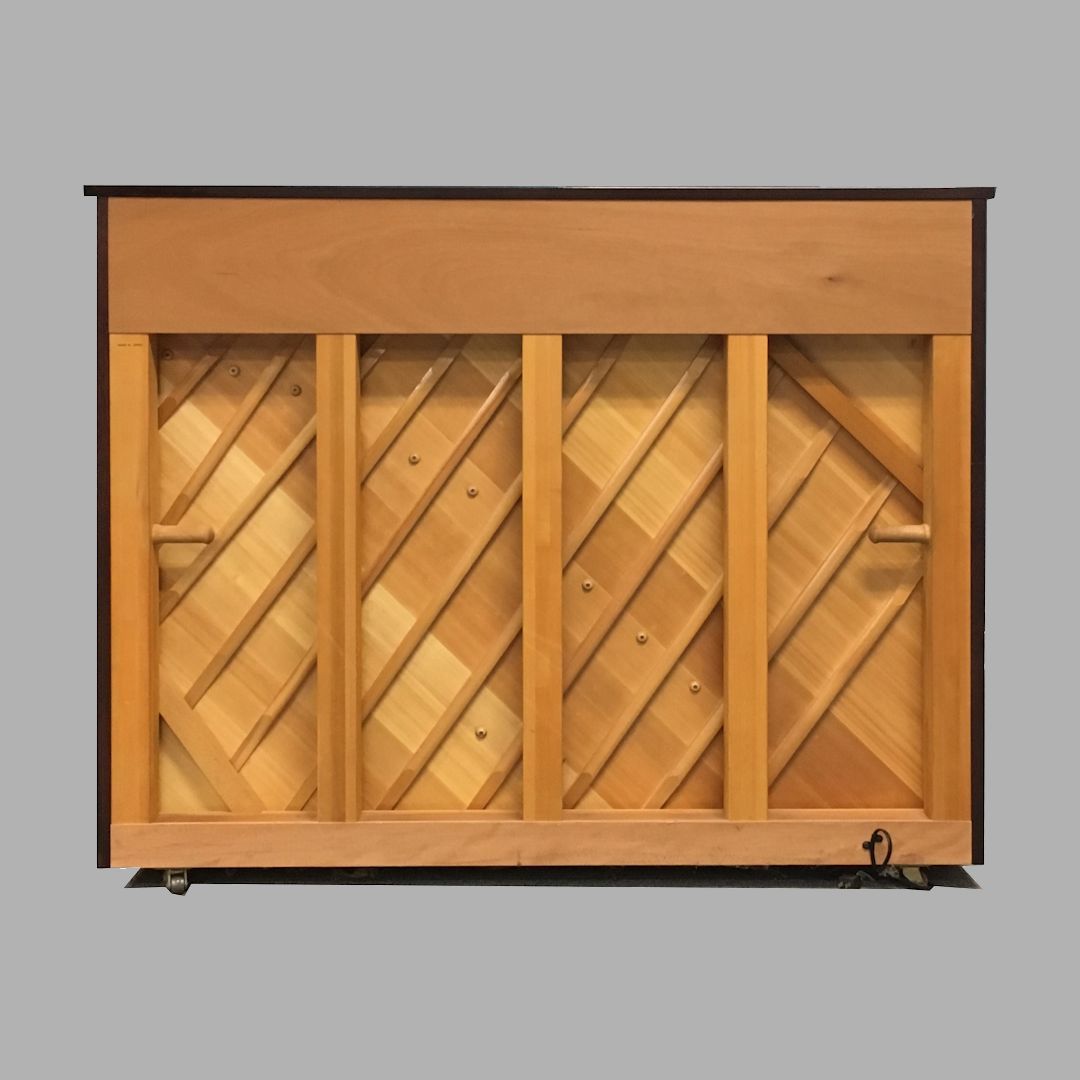
238CM CSA Backframe
Cross Sectional Area (CSA)
5 Posts
6.6cm x 7.2cm ea.
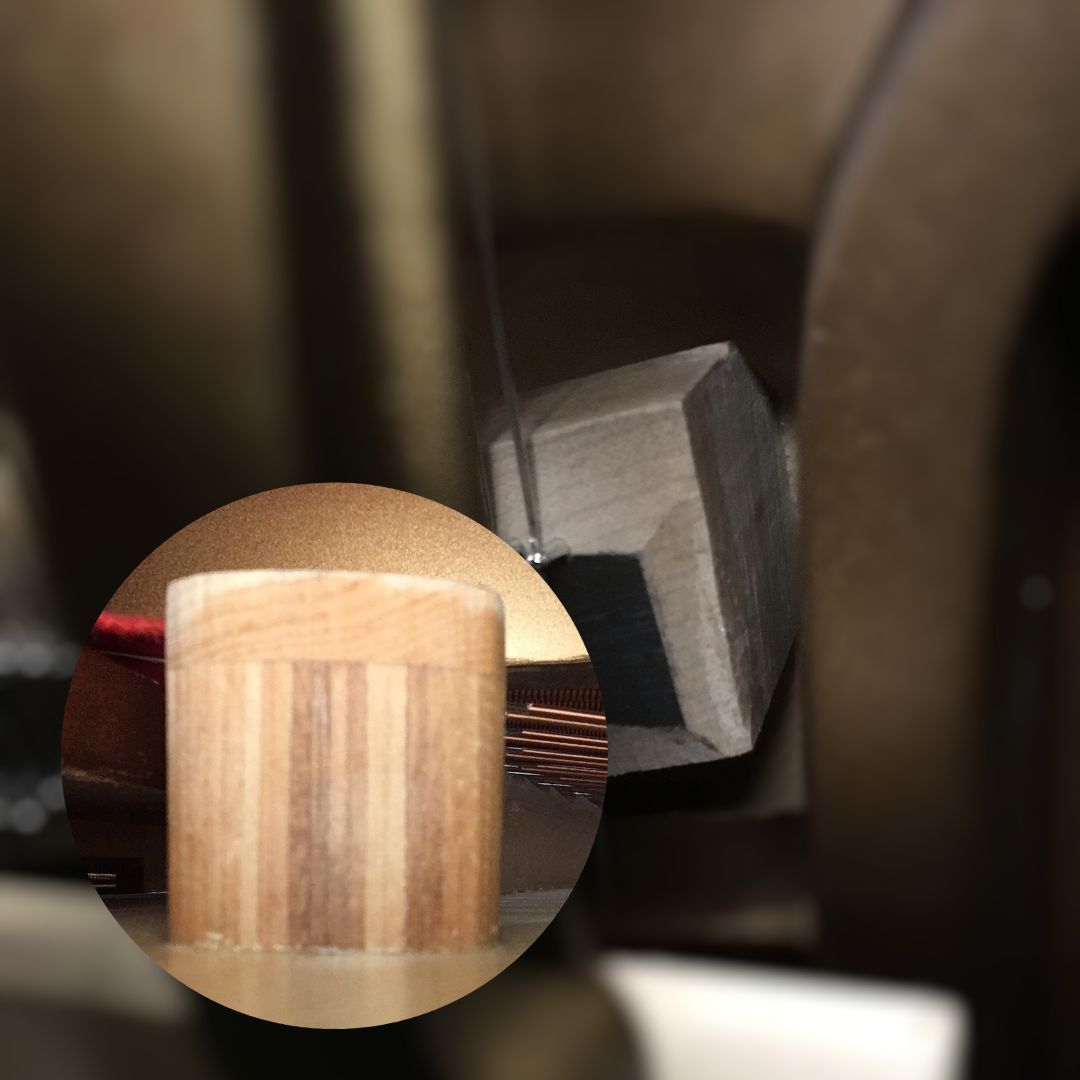
Vertically Laminated Bridges
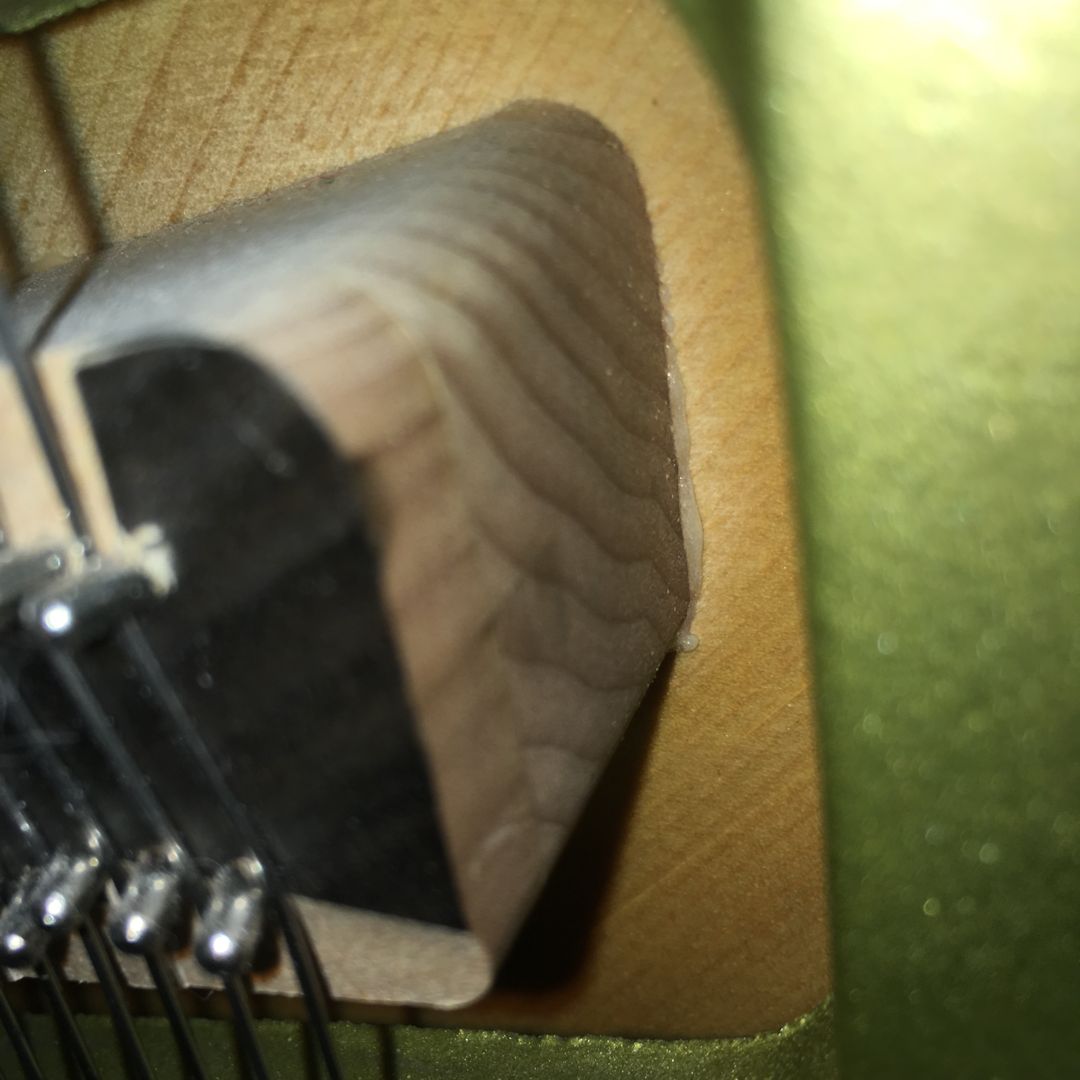
Standard Solid Bridges
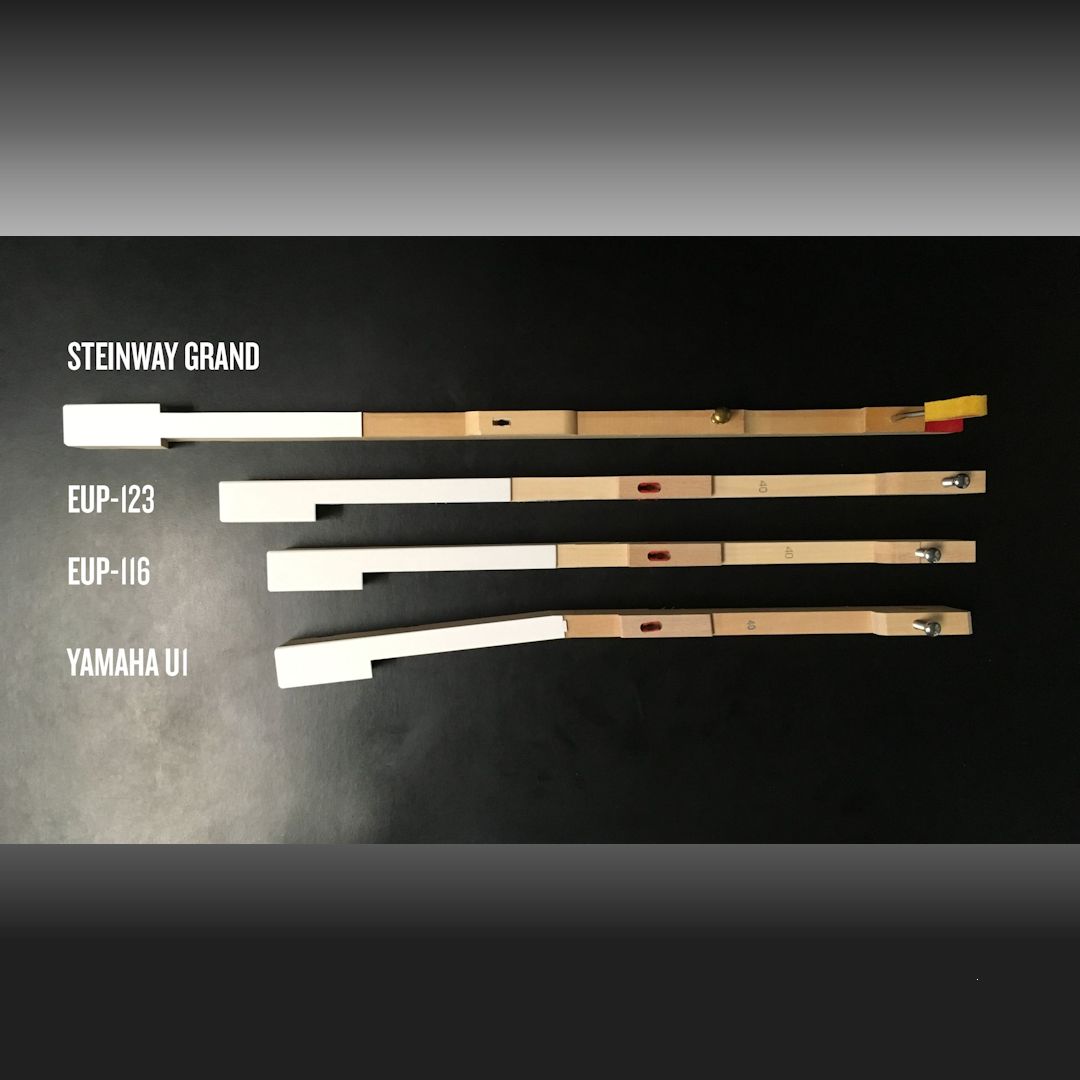
Longer Key Sticks Straight Near Middle C
Shorter Key Sticks Bend at Middle C
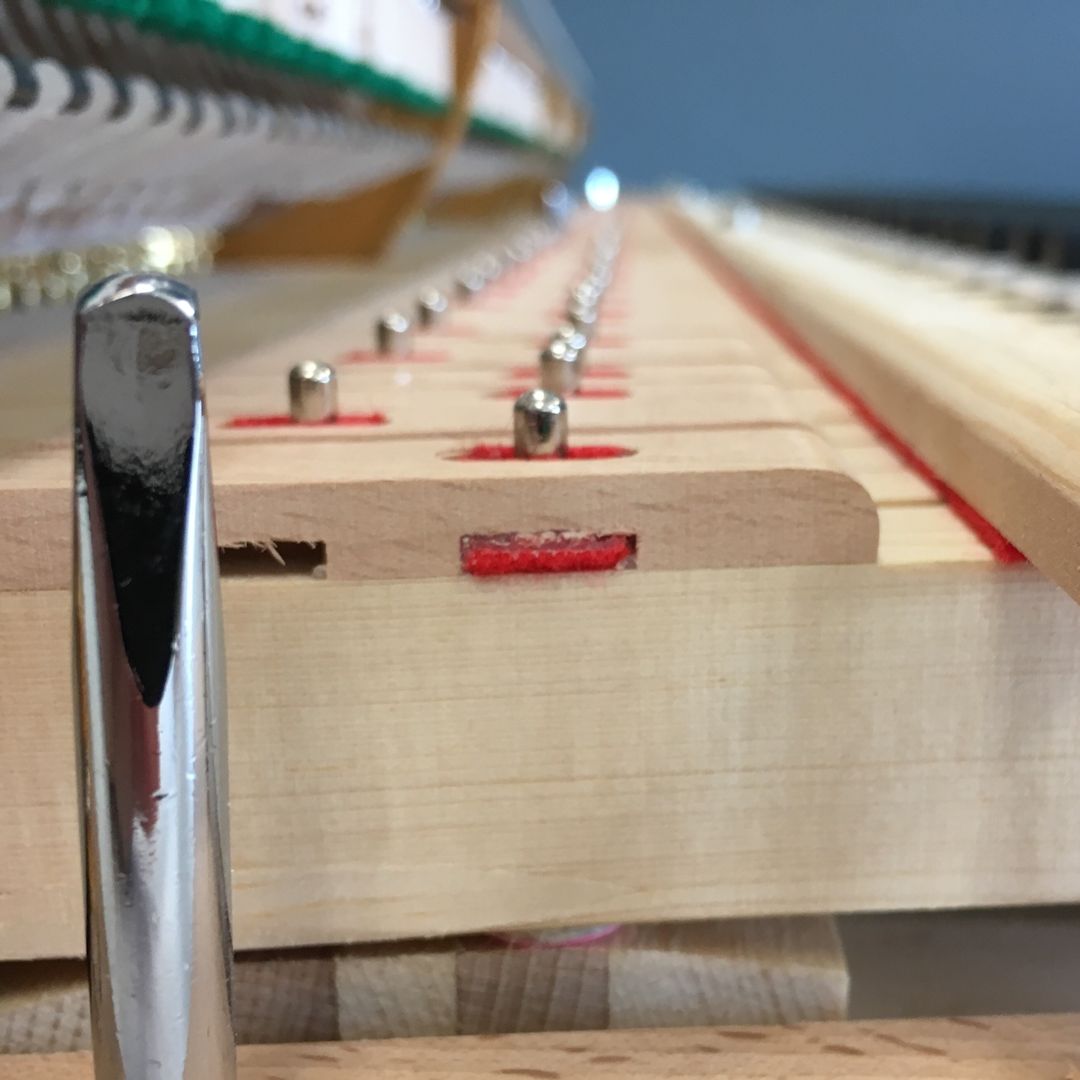
Steinway Style Key Buttons Less Friction
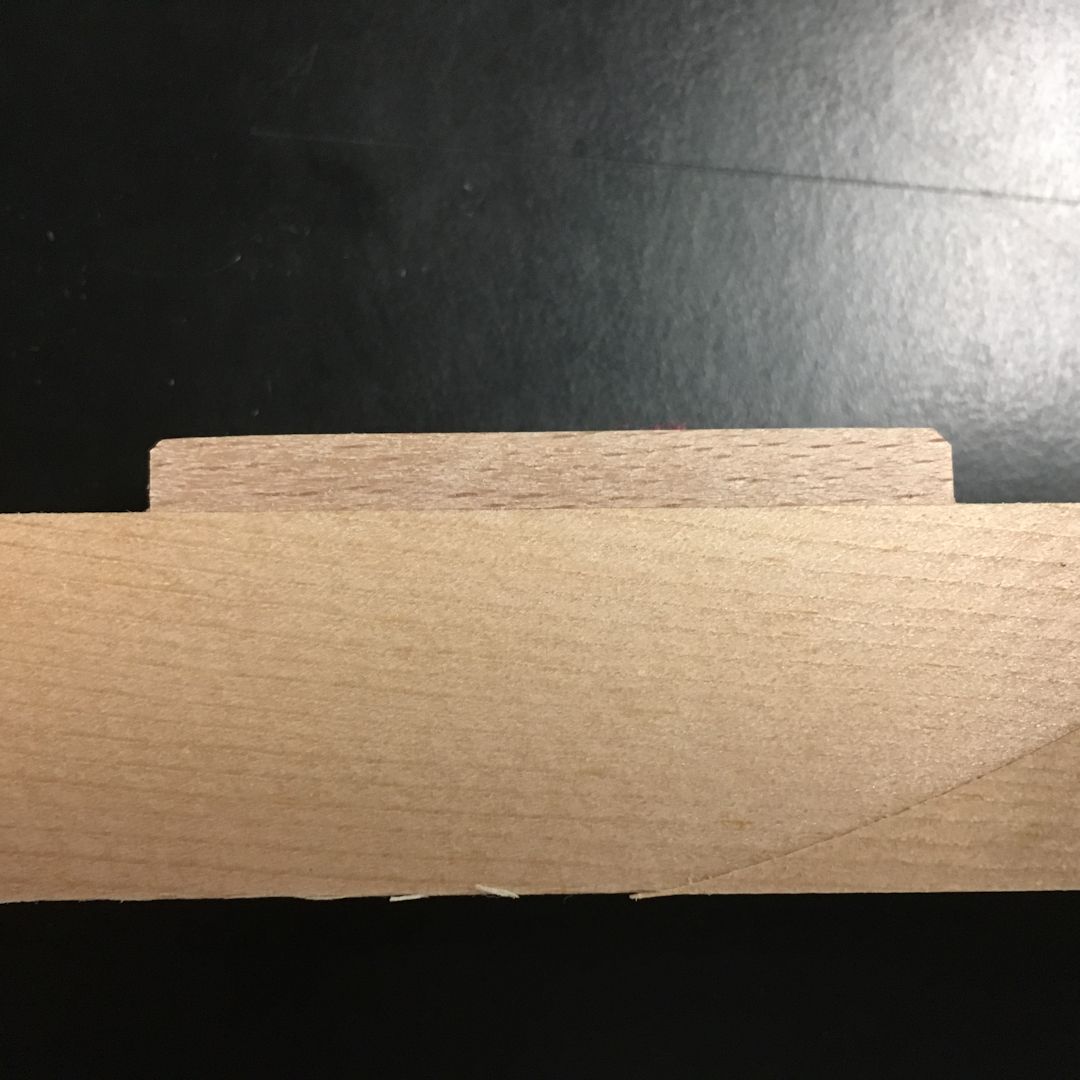
Standard Key Buttons Felt Glued into Key Stick
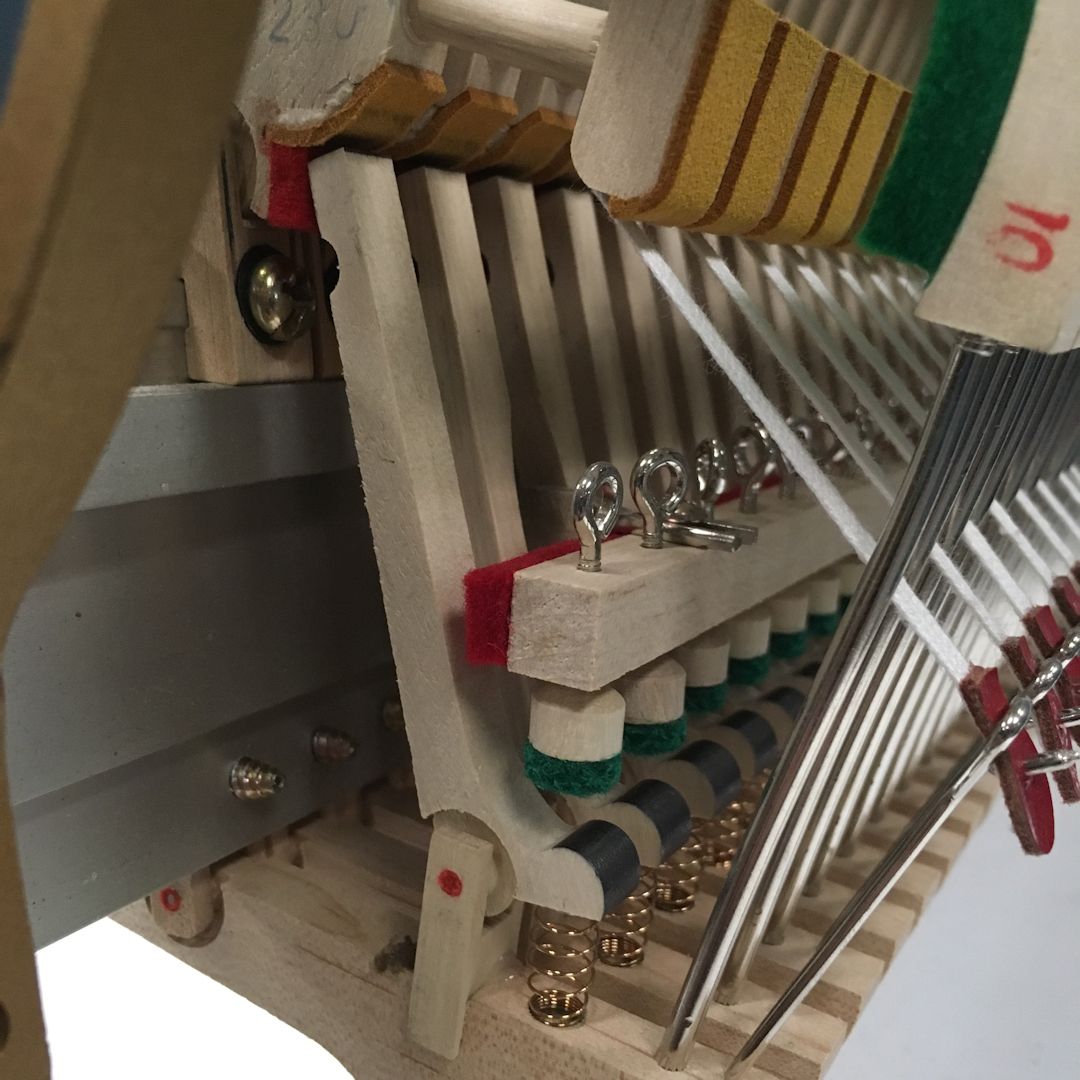
All Wood Action Parts
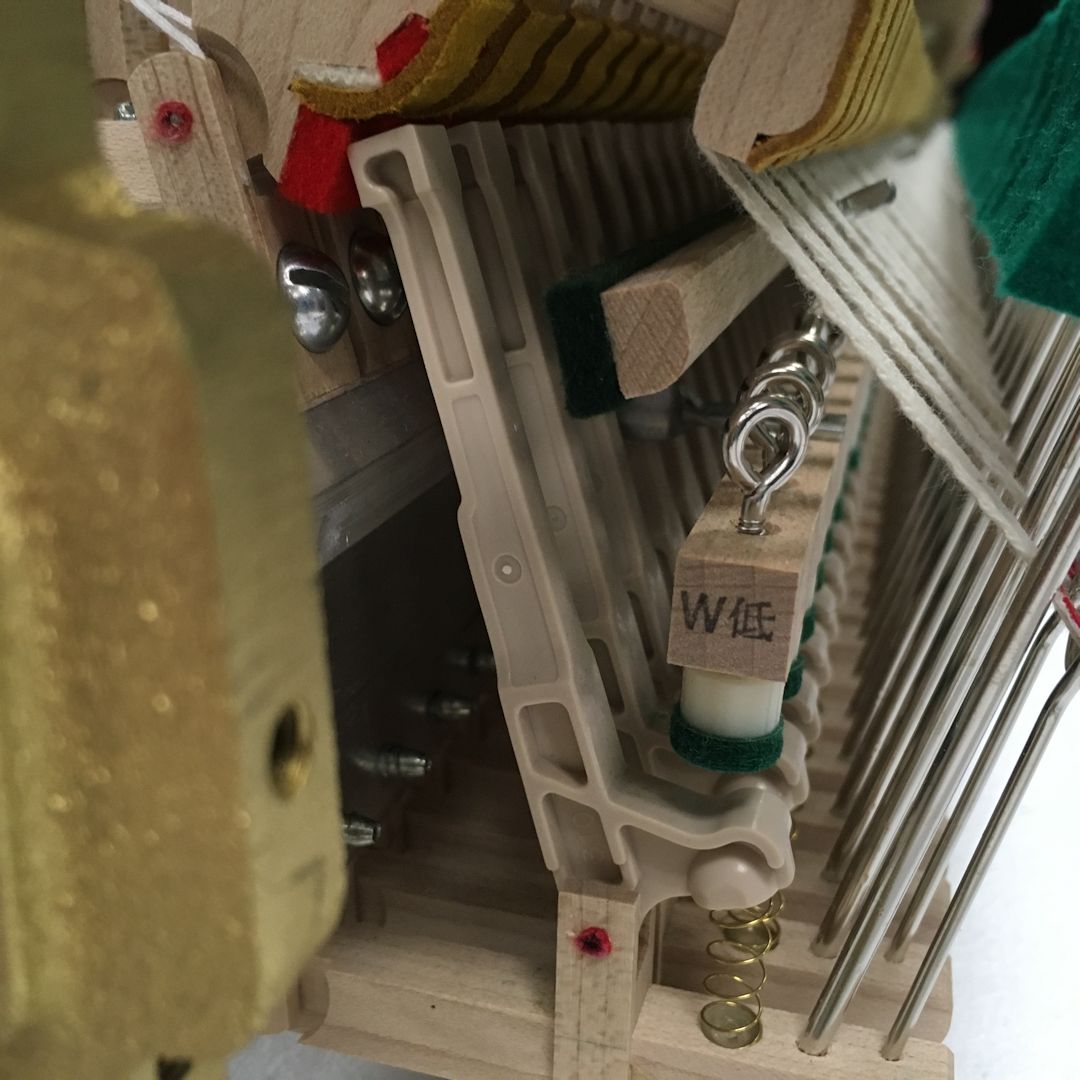
Plastic Mixed with Wood Not Used in Yamaha Grands
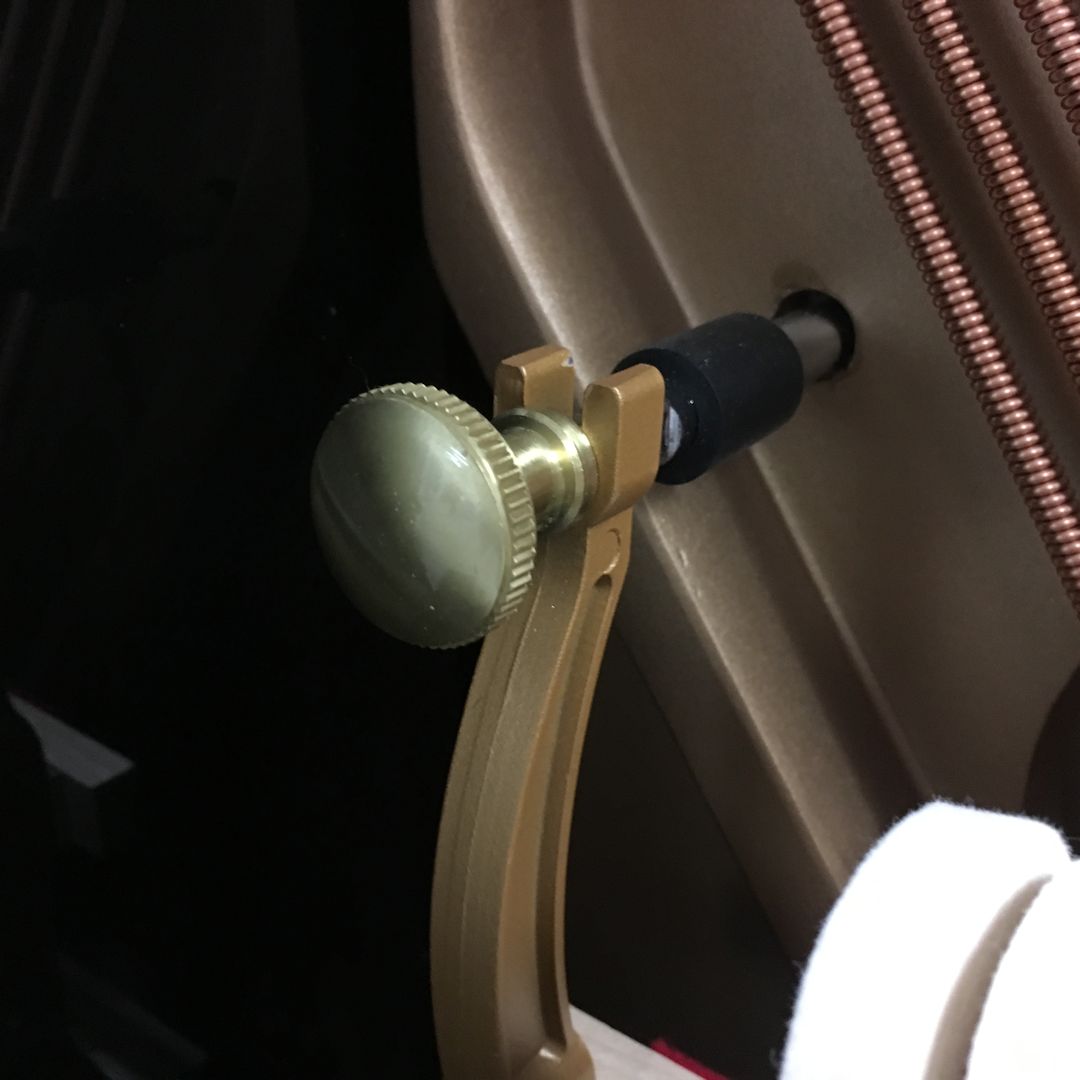
Brass Action Knobs
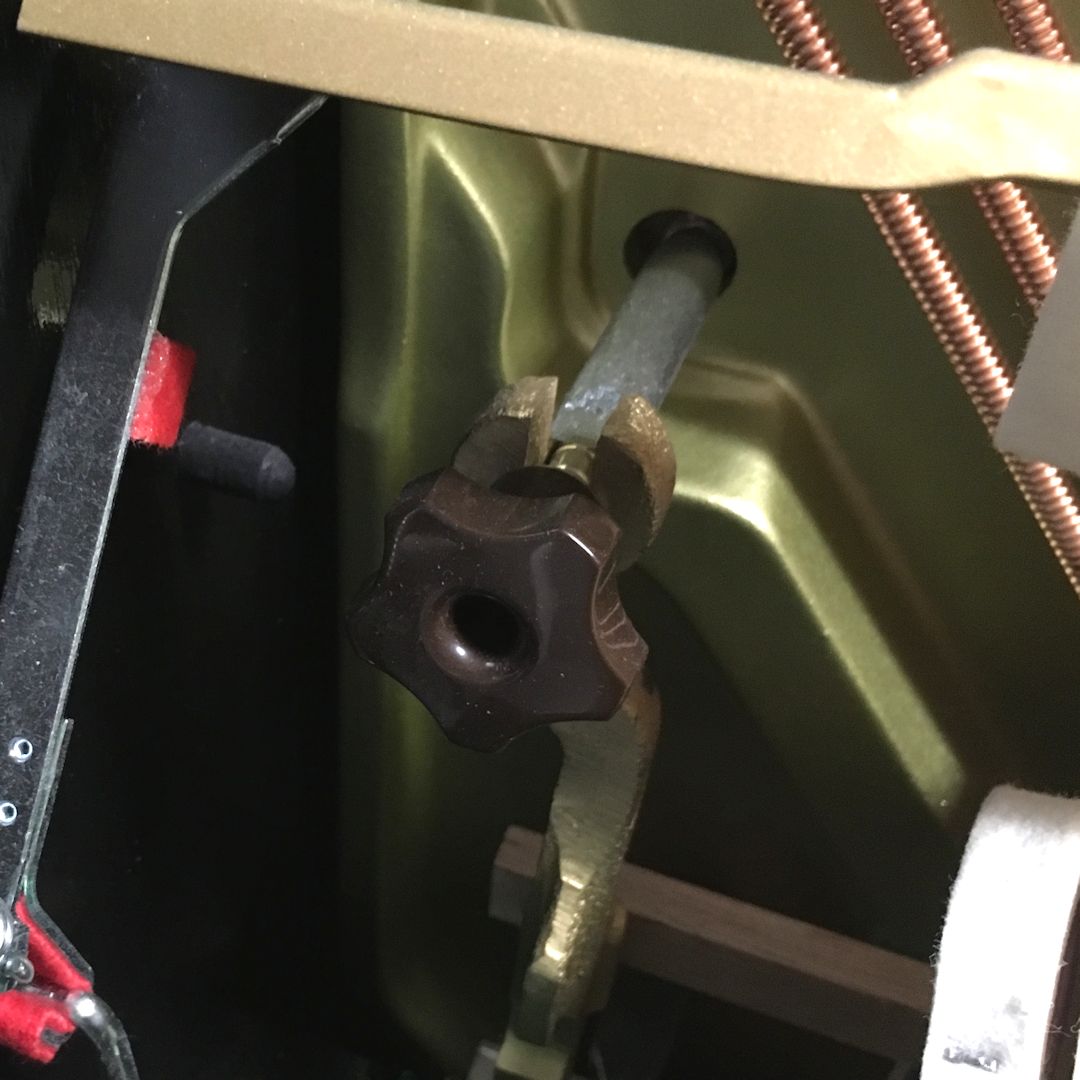
Plastic Action Knobs
essex vs. Yamaha
Compare Essex EUP-116 vs. Yamaha B2
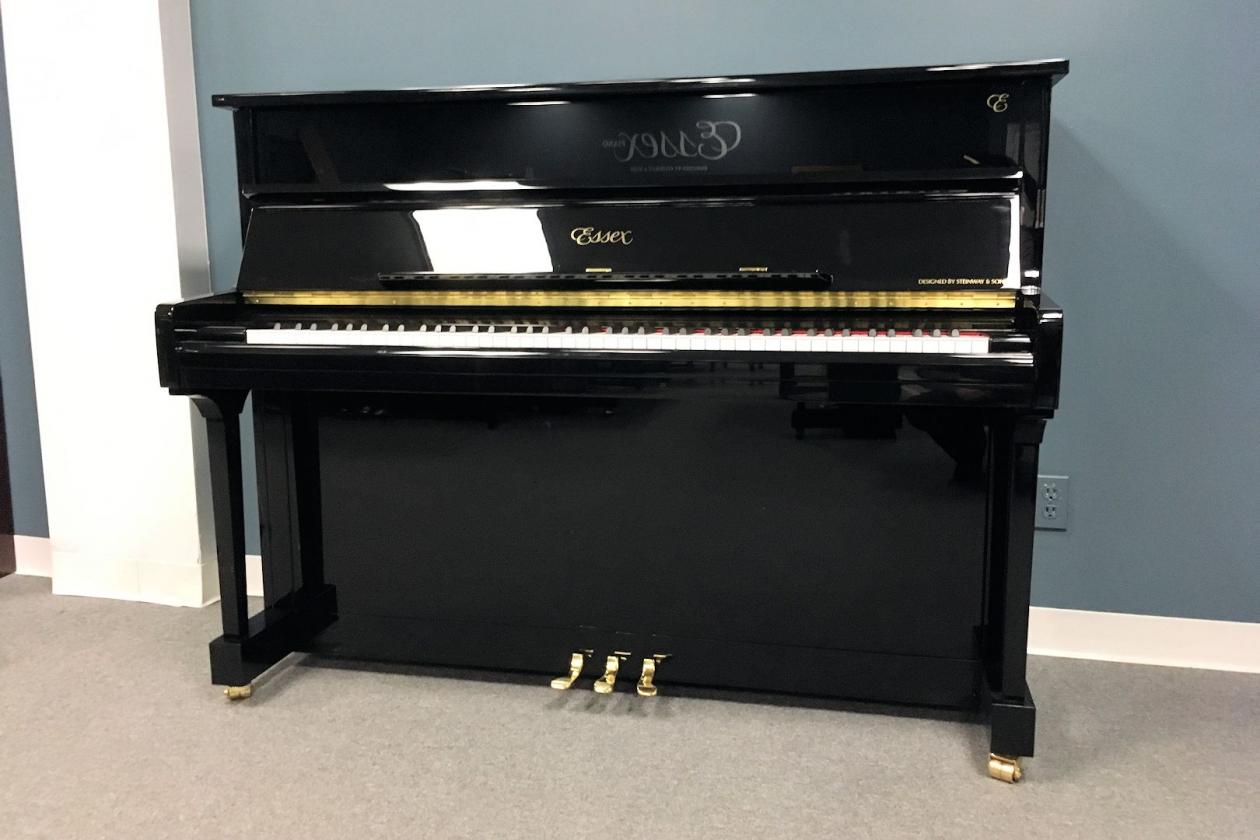
46″ Essex EUP-116
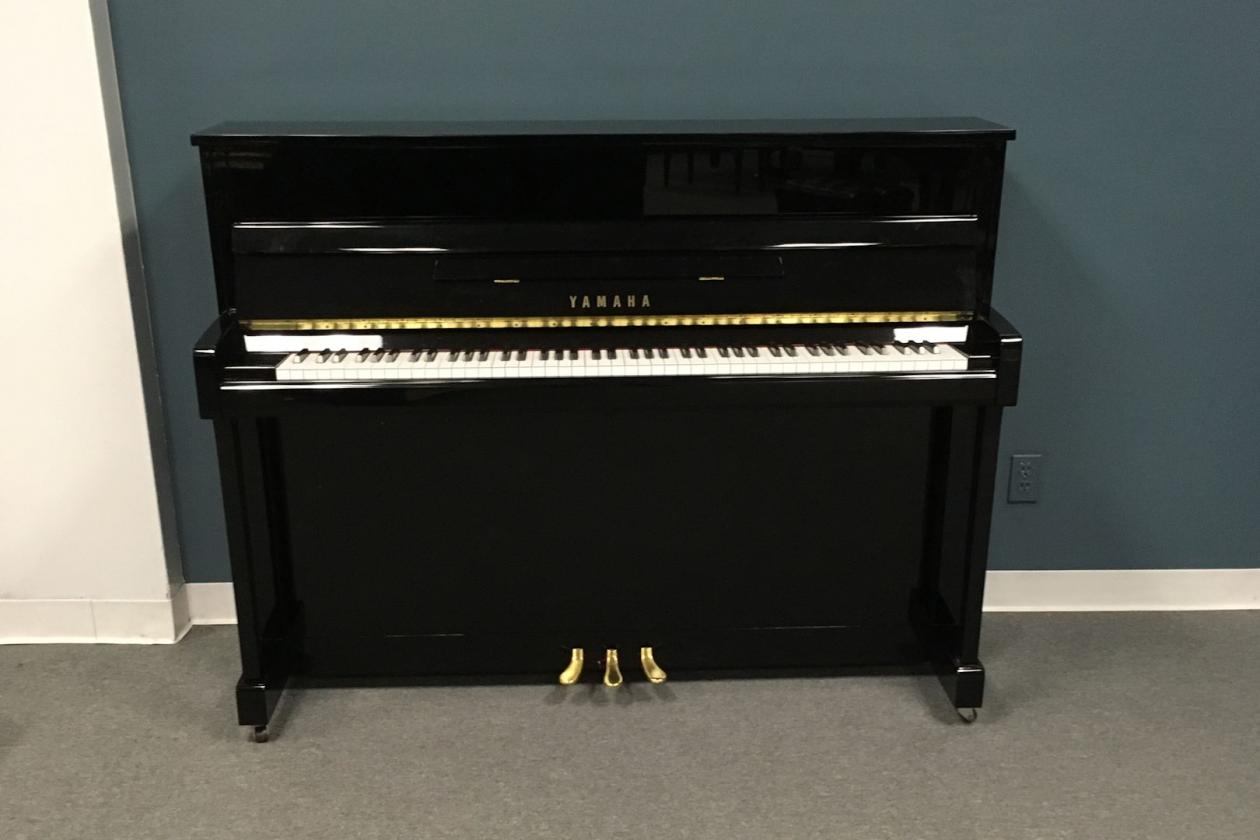
44.5″ Yamaha B2
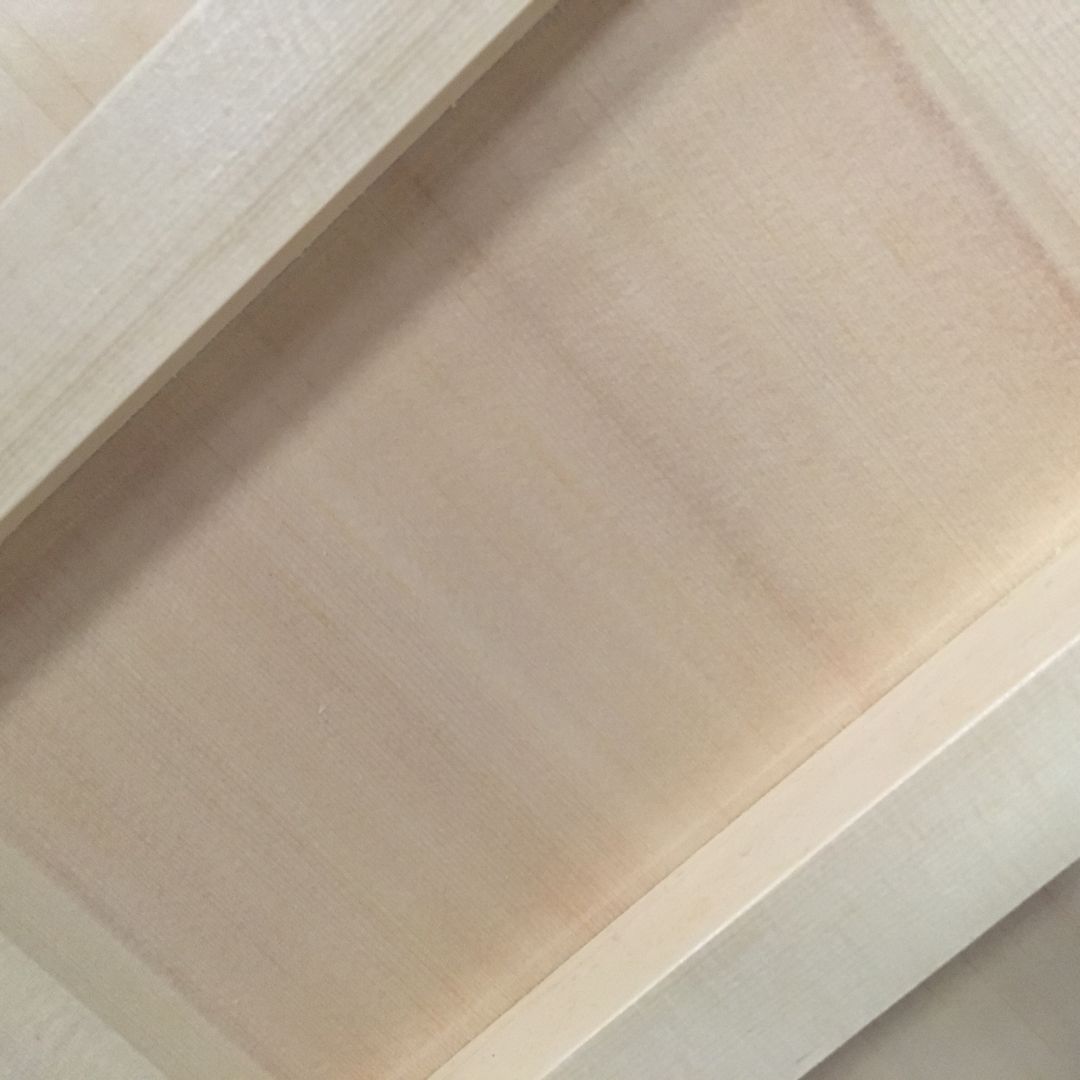
Premium Soundboard
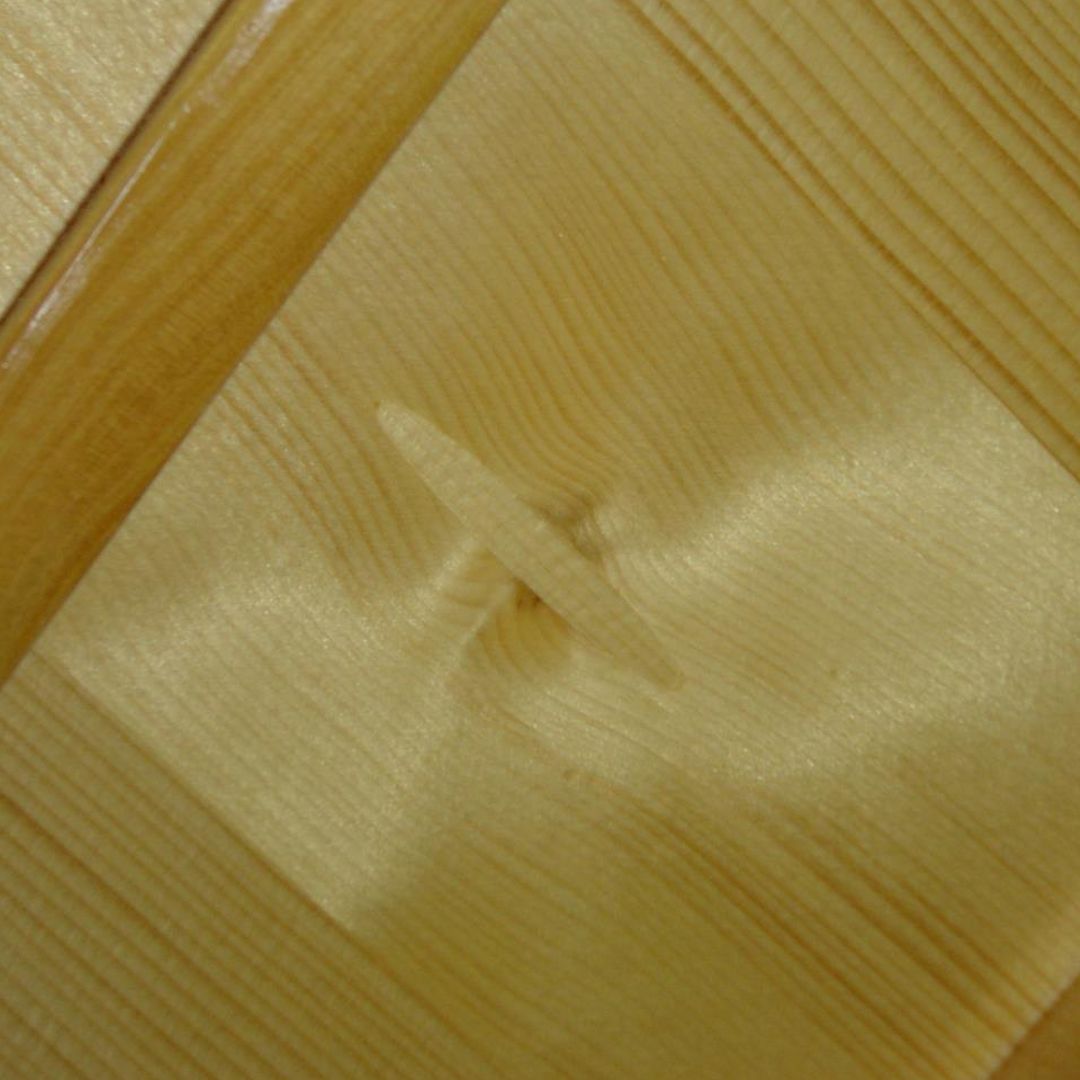
Standard Soundboard
Vertically Laminated Bridges
Standard Solid Bridges
Hammer Underfelts
No Underfelts
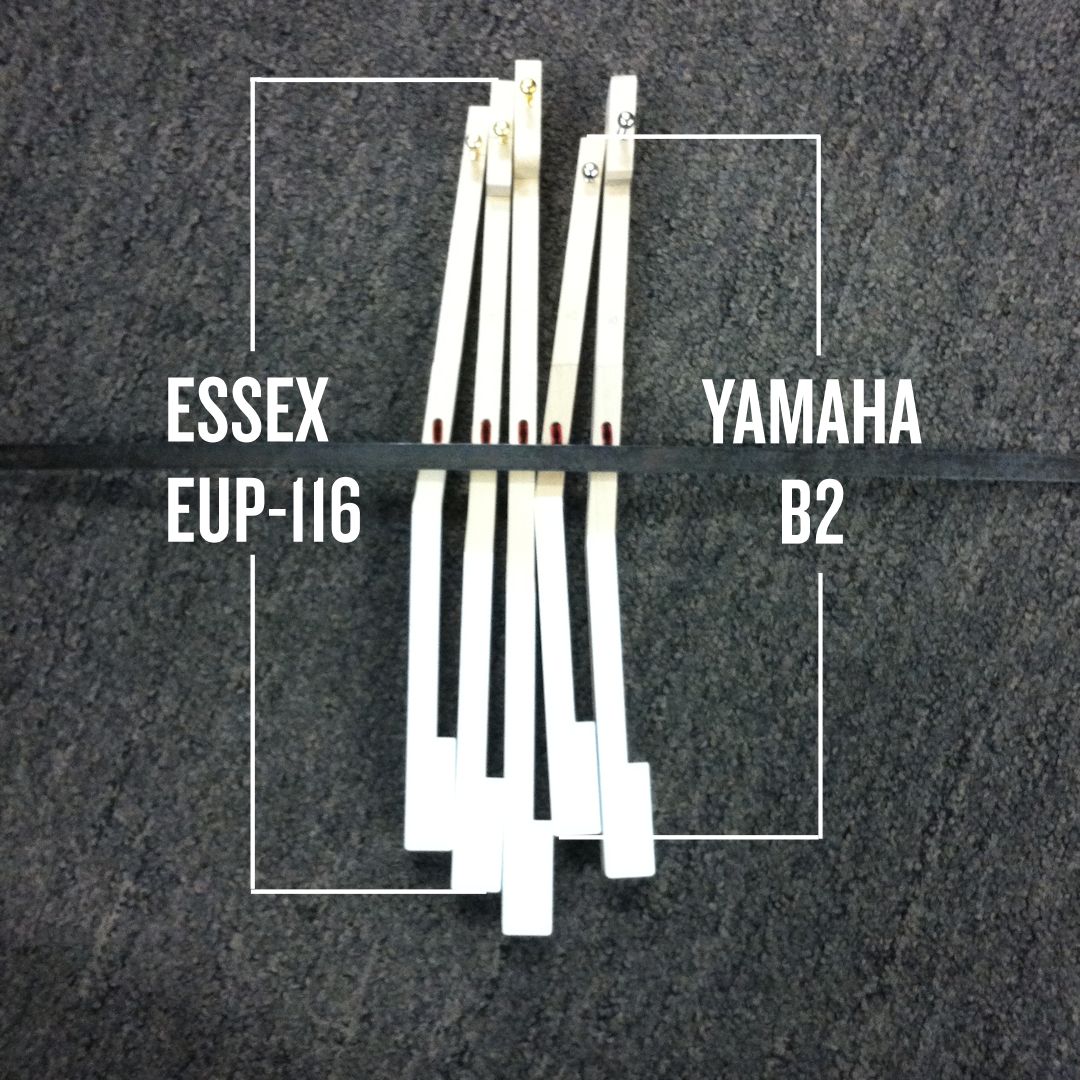
Longer Key Sticks Straight Near Middle C
Shorter Key Sticks Bend at Middle C
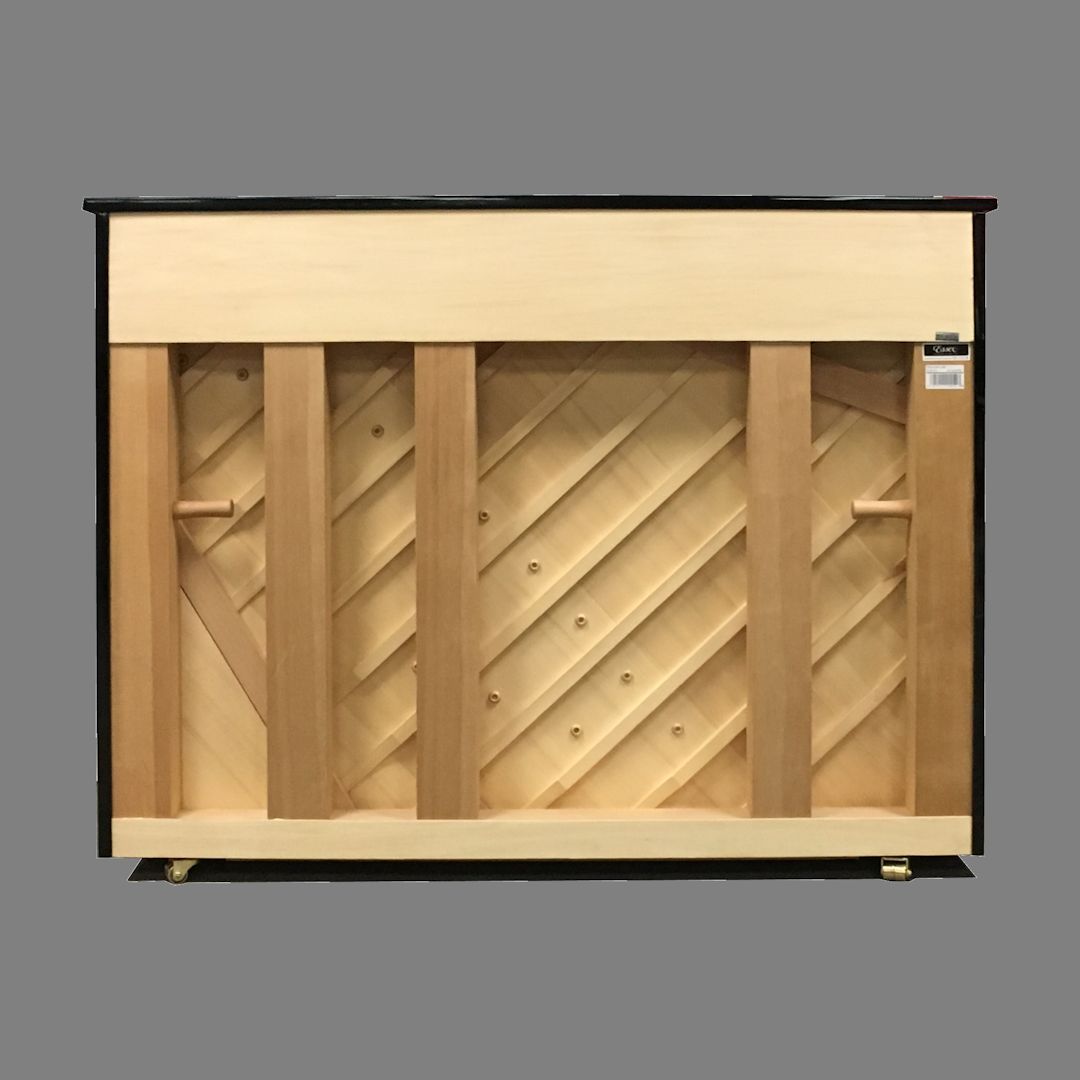
450 CM CSA Backframe
433% MORE MASS
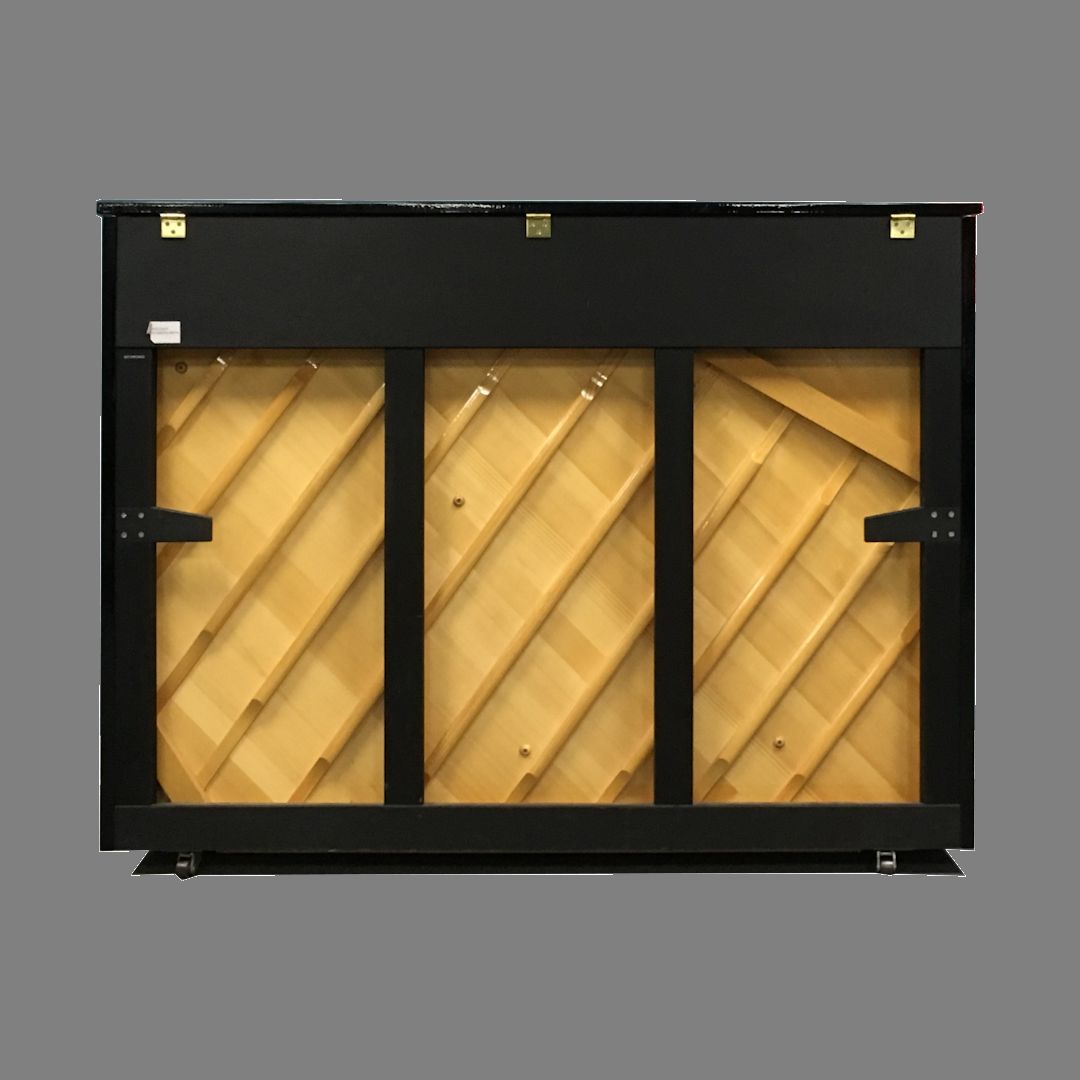
104 CM CSA Backframe
Only 4 Posts
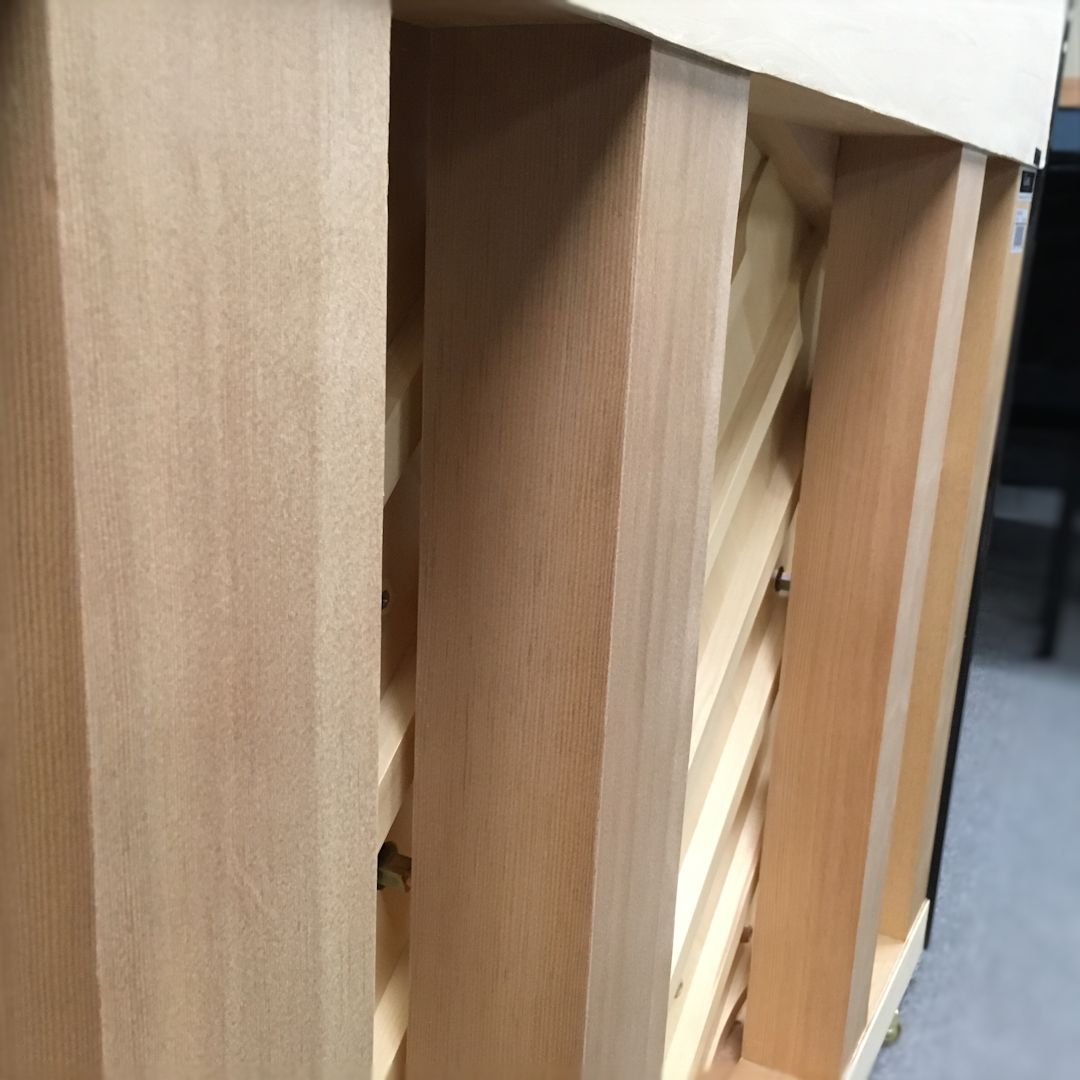
Massive Backposts
Each post- 10cm x 9cm thick
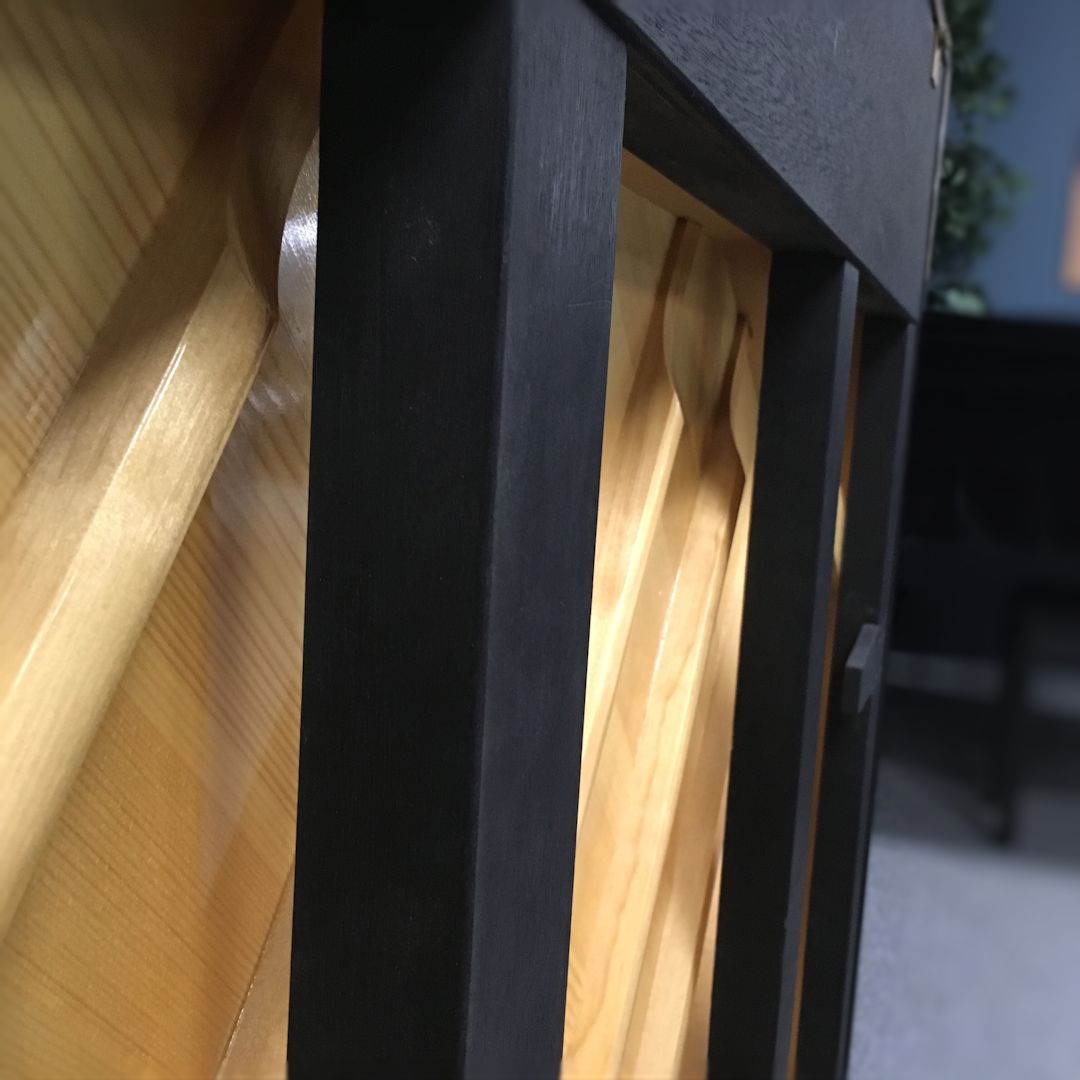
Slim Backposts
Each post- 6.5cm x 4cm
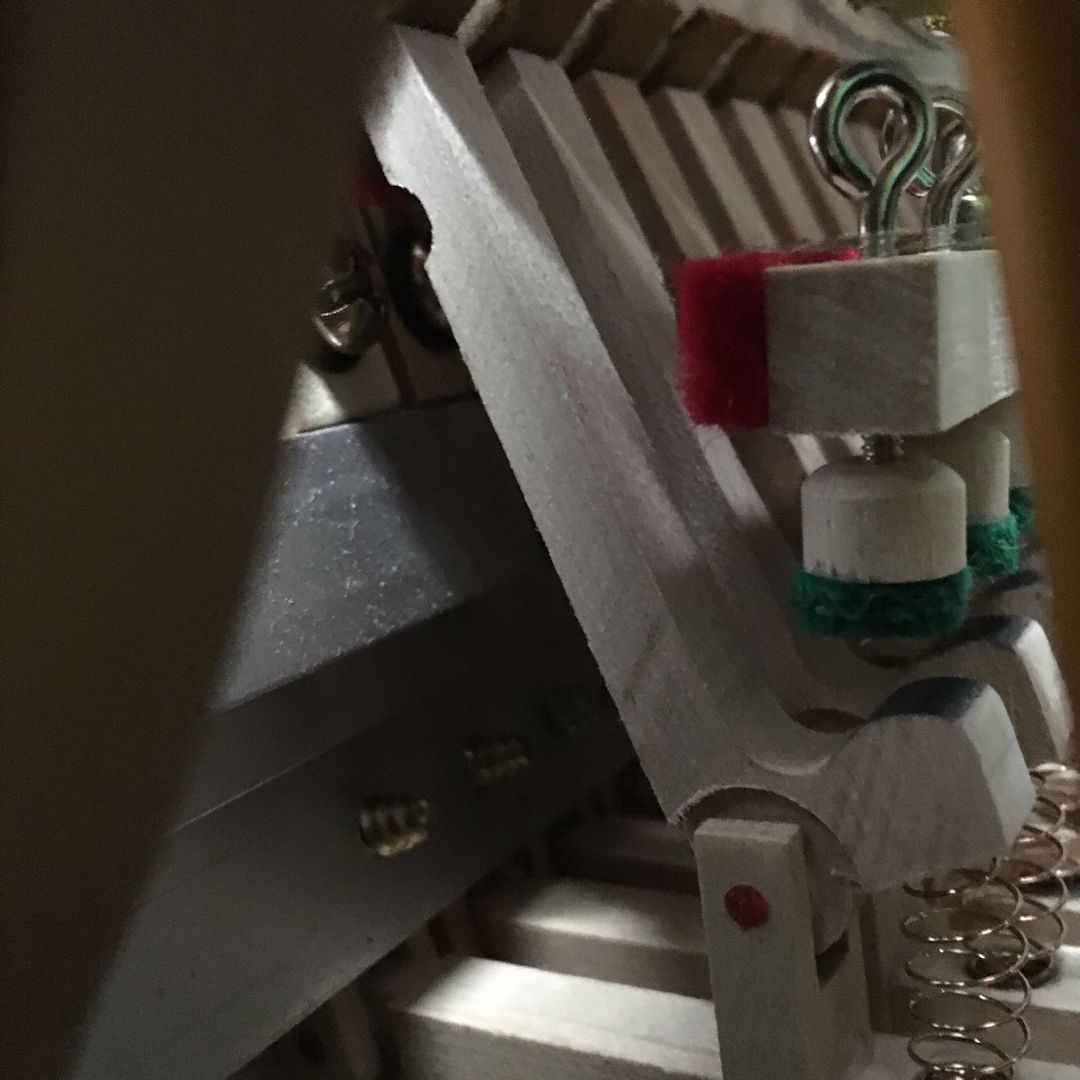
Maple-Wood Action Parts
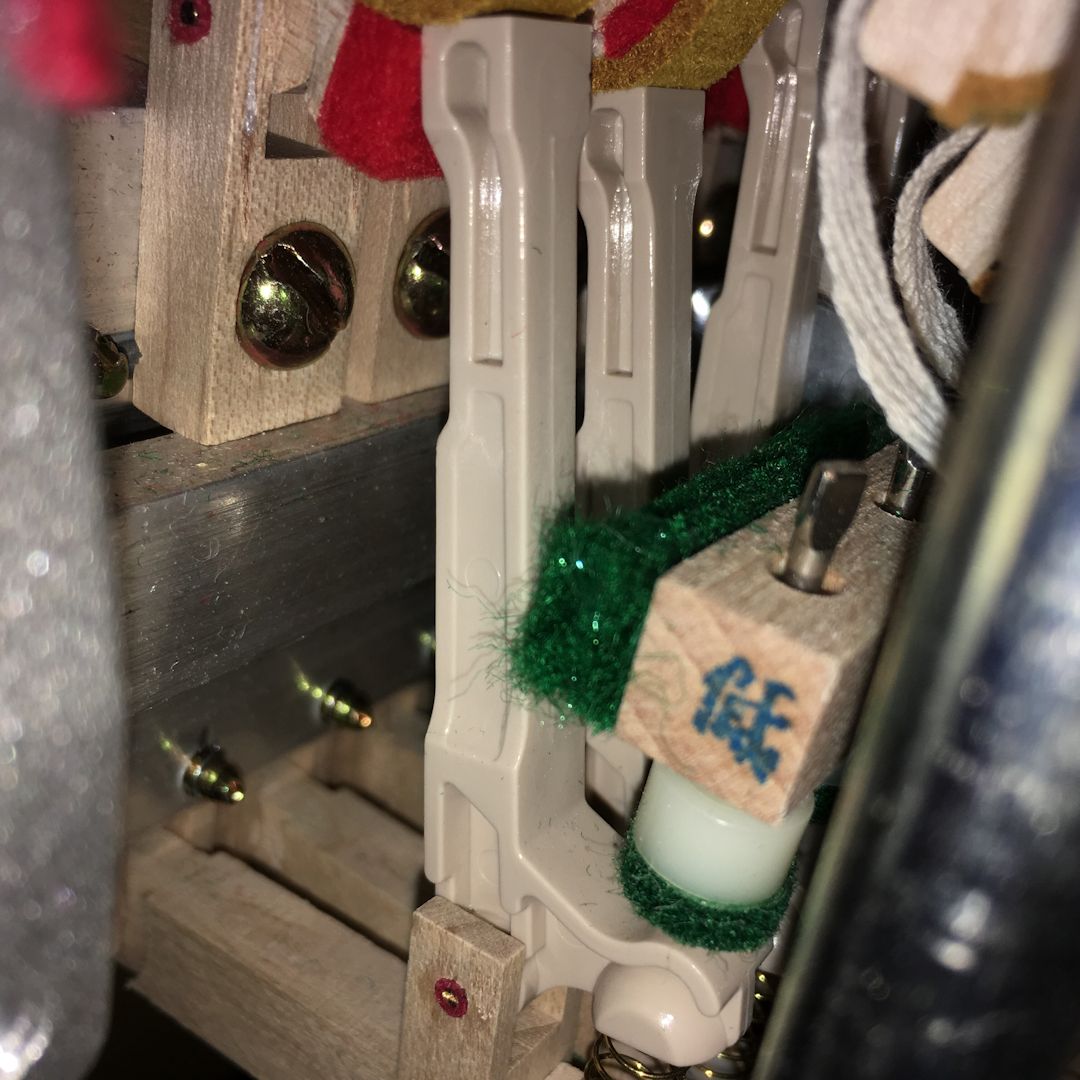
Plastic Action Parts
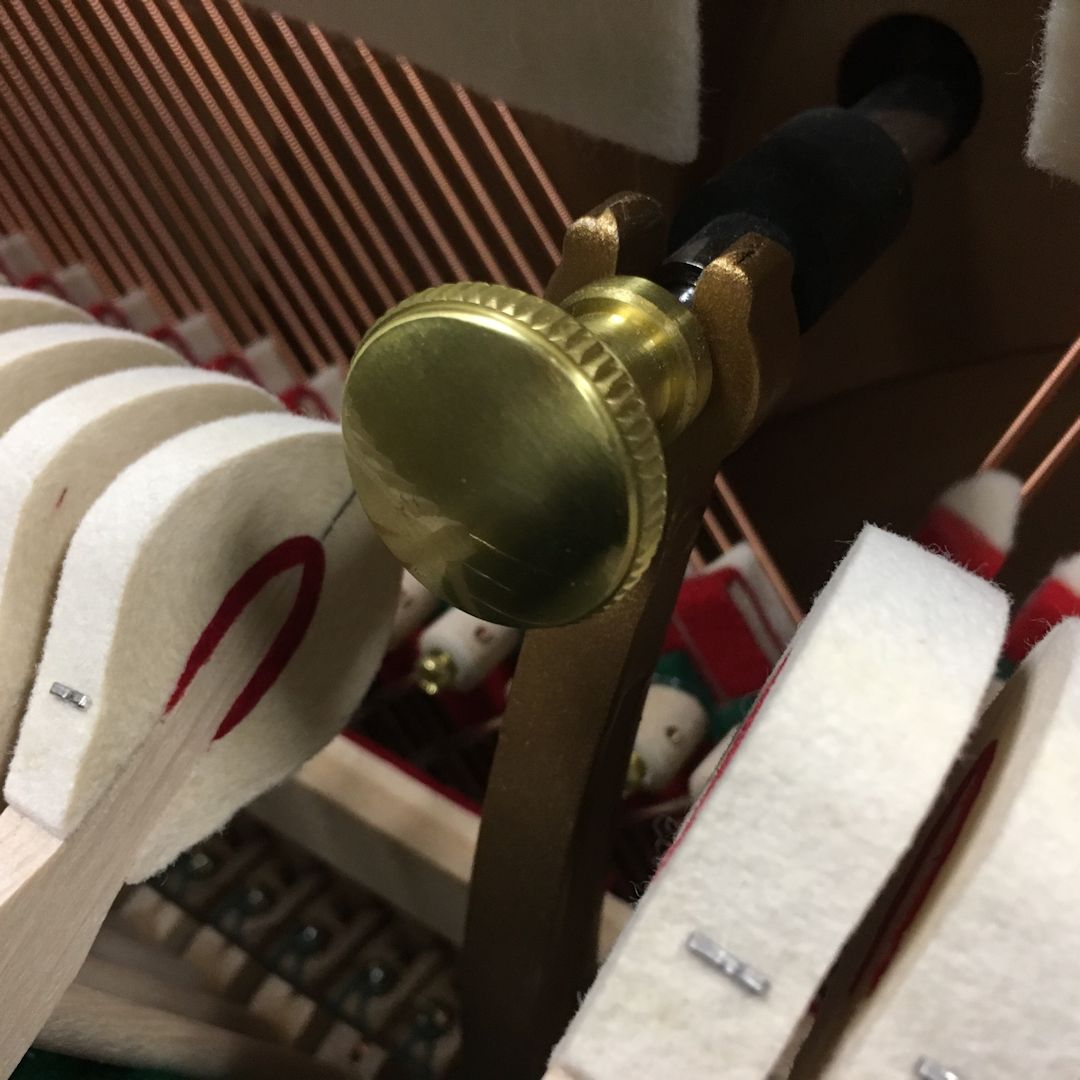
Brass Action Knobs
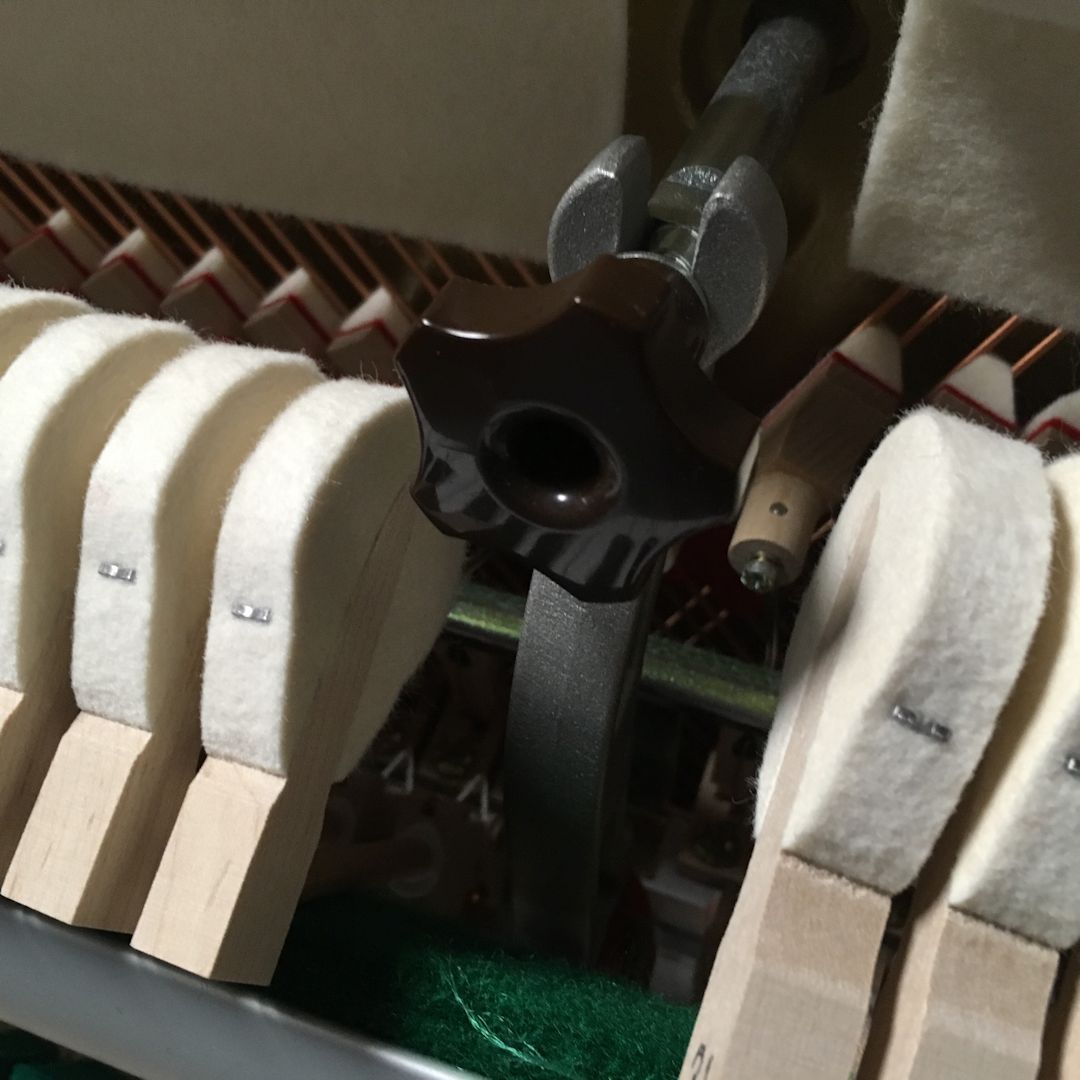
Plastic Action Knobs
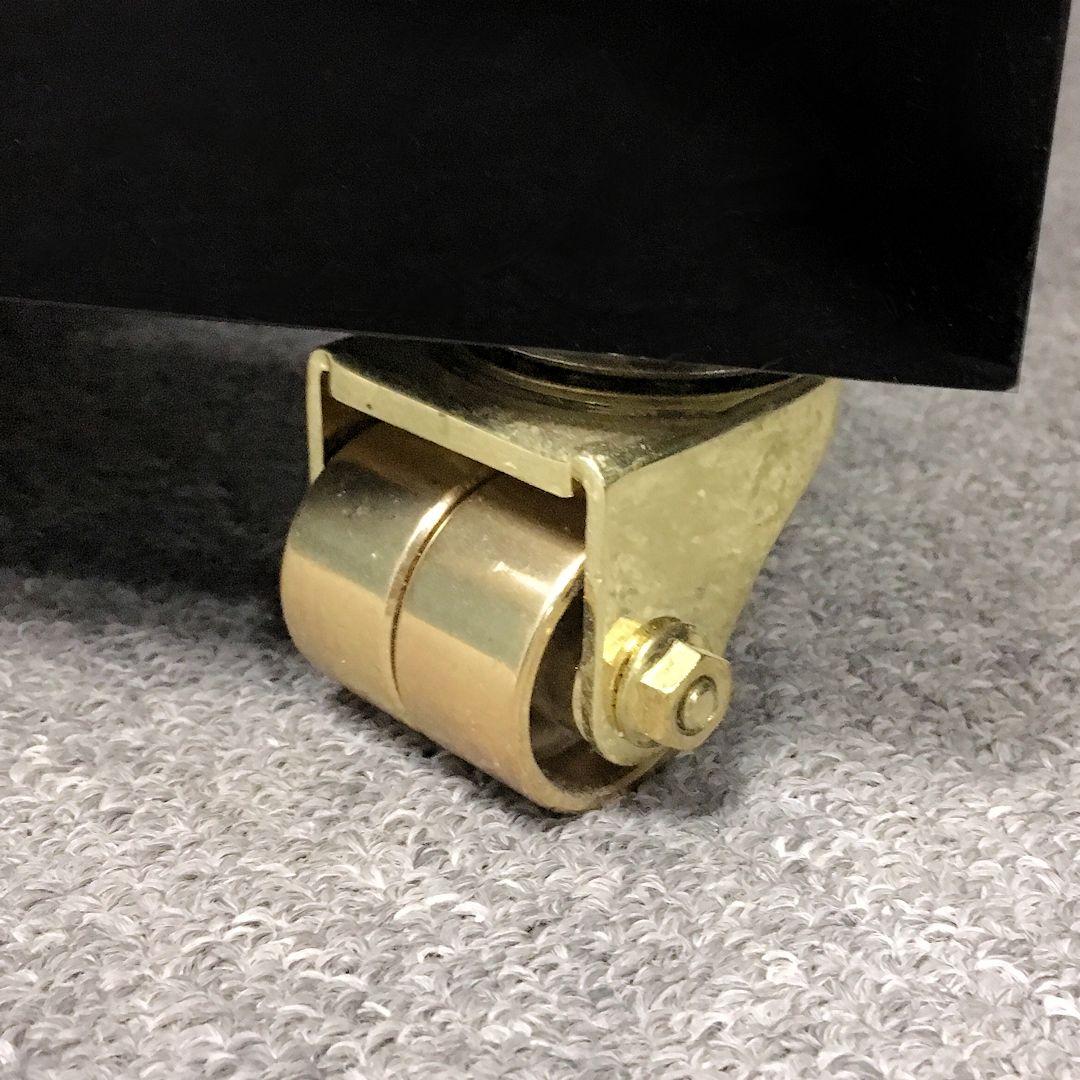
Double Brass Casters
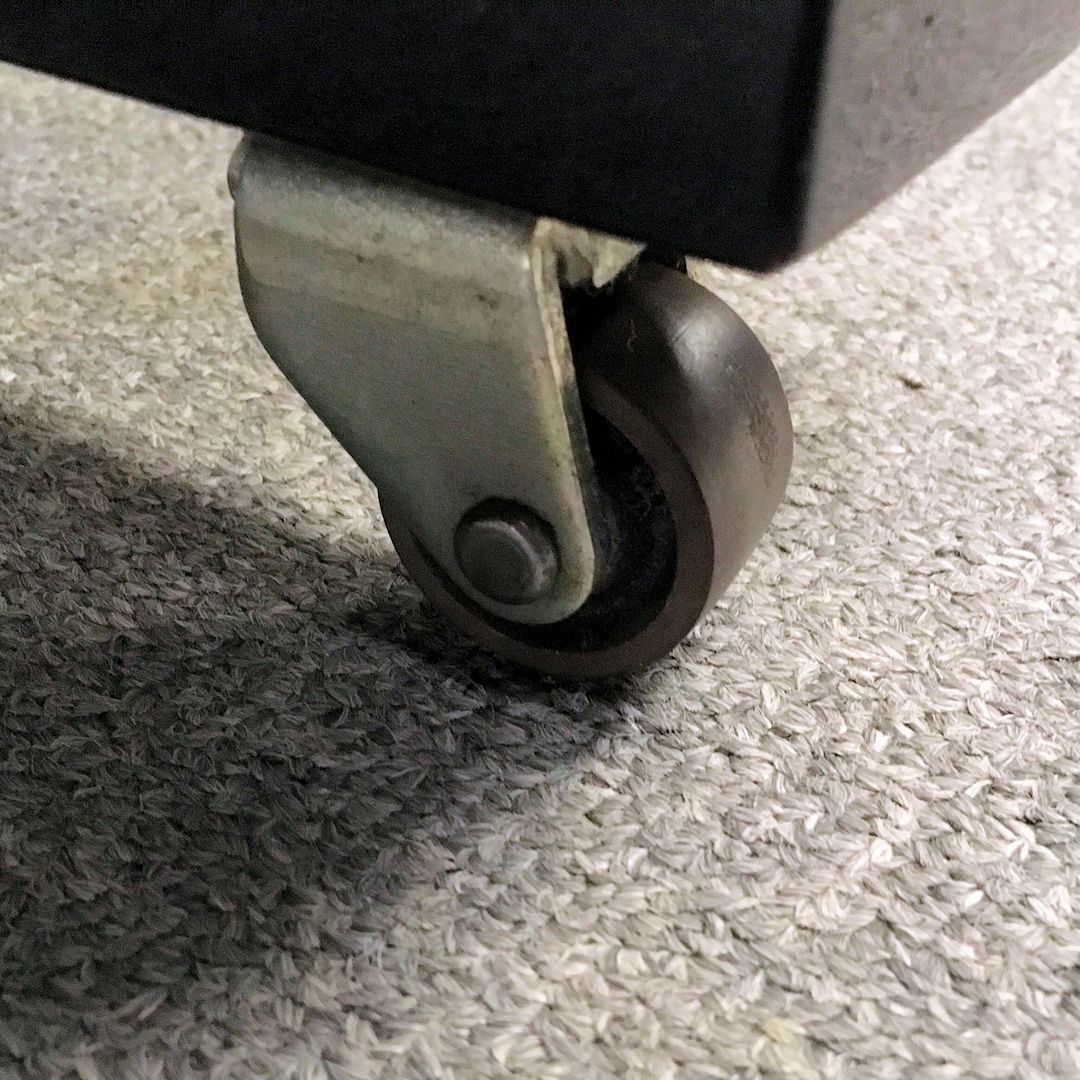
Single Steel Caster
So, what does this all mean?
What if there were no brand names?
We think brands are important because they demonstrate a record of quality to shoppers. But they can also be confusing when a brand has a huge number of models, feature configurations, price points and levels of quality within the same brand.
As experts in the industry, if were presented two pianos with no brand name on the fallboard, this page describes exactly how we would we compare one to the other and evaluate the quality of the design, materials, and craftsmanship. We would search for these features and materials, because we know they are consistently found in the industry’s best pianos. This is not just a list of Essex or Boston or Steinway features, it is an explanation of specifications found on most performance pianos. It just so happens that, when we compare Yamaha vs. Kawai, vs. Essex, Essex pianos are the only pianos to have all the features at a very affordable price.
A way for non-experts to compare pianos
We have received many kind compliments on this page from frustrated shoppers all over the world who are having trouble differentiating one piano from another. While the “test drive” will ultimately tell you which pianos will inspire you, not all shoppers are accomplished pianists and some do not play at all. We hope this page makes your piano search more enjoyable.
A unique, affordable piano line
There is always something better and more expensive. With Essex, Steinway has created a unique, affordable piano line, where every model is made the same and never are advanced features left out simply to lower the cost. Essex delivers exceptional performance well above its price and we feel anyone looking at new or used pianos in an affordable price range should absolutely give them a try.
“What more can I say? I bought an Essex myself.”
Paul Jennings, Owner of Upstate Pianos