Authorized Steinway Dealer
The world’s finest pianos.
The expertise to match.
Featuring a curated selection of best-in-class pianos, your Upstate Pianos shopping experience is designed to help you quickly differentiate value. It all Strats with the core features known in the industry to make a piano play better or last longer.
Premium vs. Standard Features
In the 300+ year history of the piano, there have been some specific advances in design and construction that we know will make a piano perform better and last longer. Most manufacturers treat these advances as step-up features to justify price differences between models. However, in each line of Steinway & Sons, Boston, and Essex pianos, EVERY MODEL IS MADE THE SAME and never are features left out simply to cut costs.
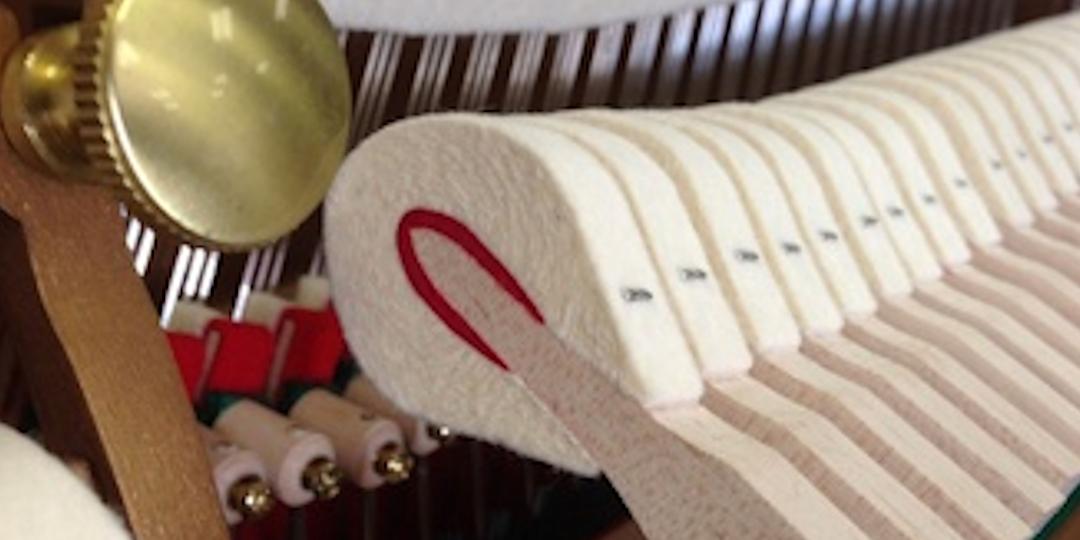
Hammers with Underfelt
Dense under-felt is applied before the white hammer felt is glued and fastened to the hammer molding. This reinforcement will help the hammer retain its shape through years of impact with the strings and adds mass to the hammer to deliver more energy to the string. Often overlooked and not something that will cause an issue right away, this is a feature many manufacturers will eliminate in order to cut costs.
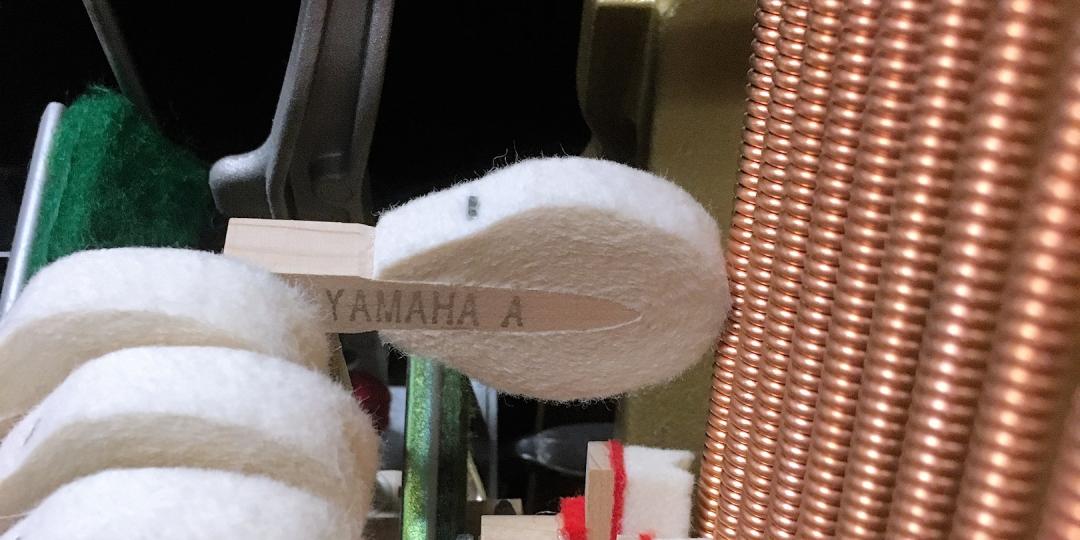
Hammers no Underfelt
Instead of underfelt, the white hammer felt is glued directly to the wooden hammer-head, sacrificing all of the benefits to longevity and tone that underfelt provides.
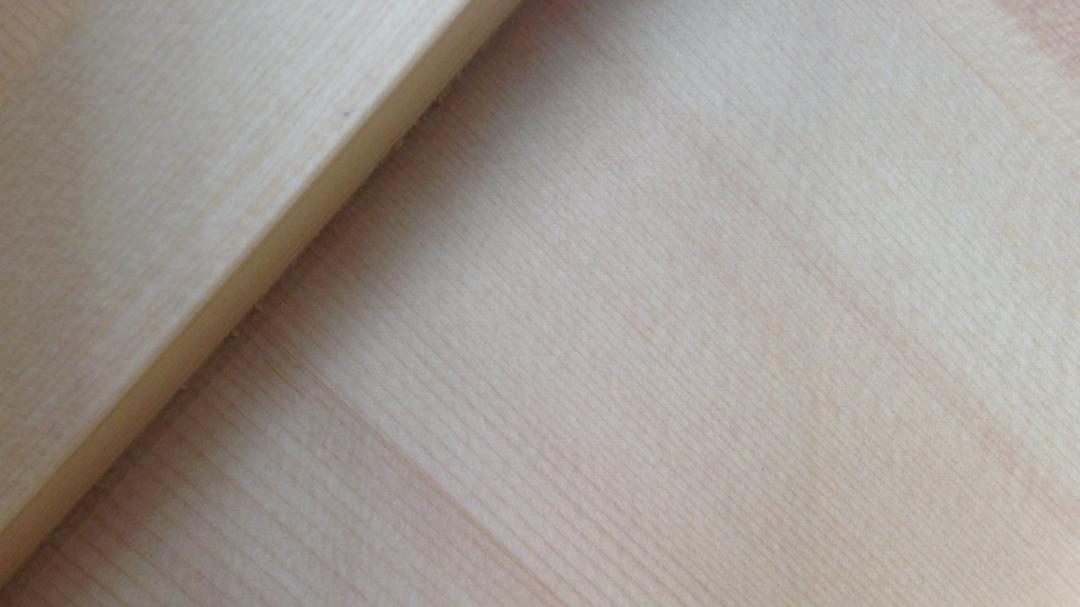
Premium Solid Spruce Soundboard
All the finest pianos have premium solid-spruce soundboards, but spruce soundboards are not created equal. A premium soundboard will be made of straight-grain solid spruce (not laminated) with a minimum of 8 grains per inch and be free of knots and irregularities. These qualities ensure overall structural integrity and even distribution of vibrations. Most manufacturers do not specify anything beyond solid vs. laminated, allowing for a wide variance in wood quality.
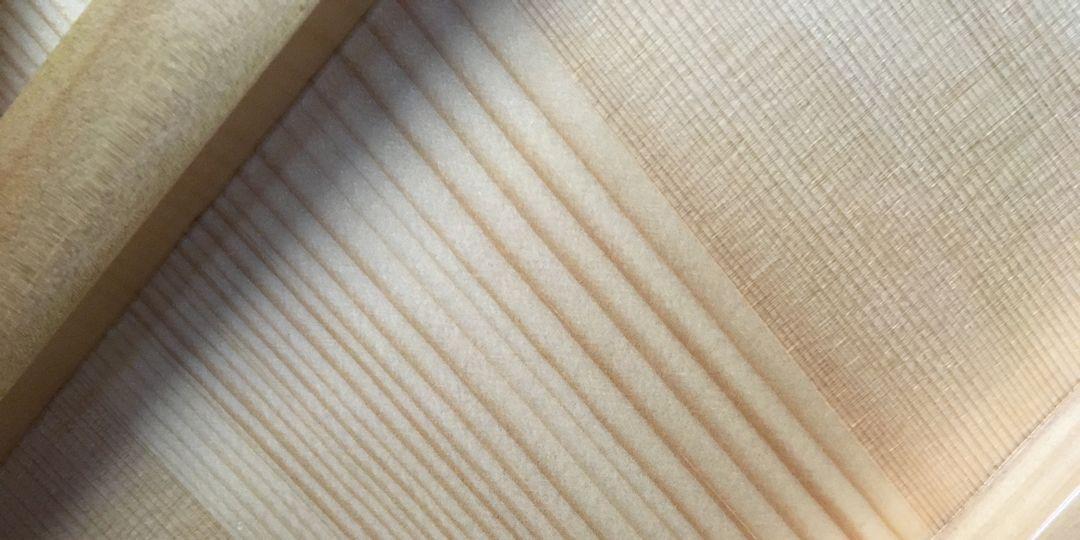
Standard or Unspecified Soundboard
Manufacturers that do not publish specifications for the soundboard material, beyond the species of wood, may have variances in grain density, irregularities, knots, or areas where material was cut out and filler material was glued in to take it’s place. We inspect the soundboards of every piano we sell and encourage shoppers to inspect the soundboard of any piano they may consider purchasing to determine the quality of the soundboard material.
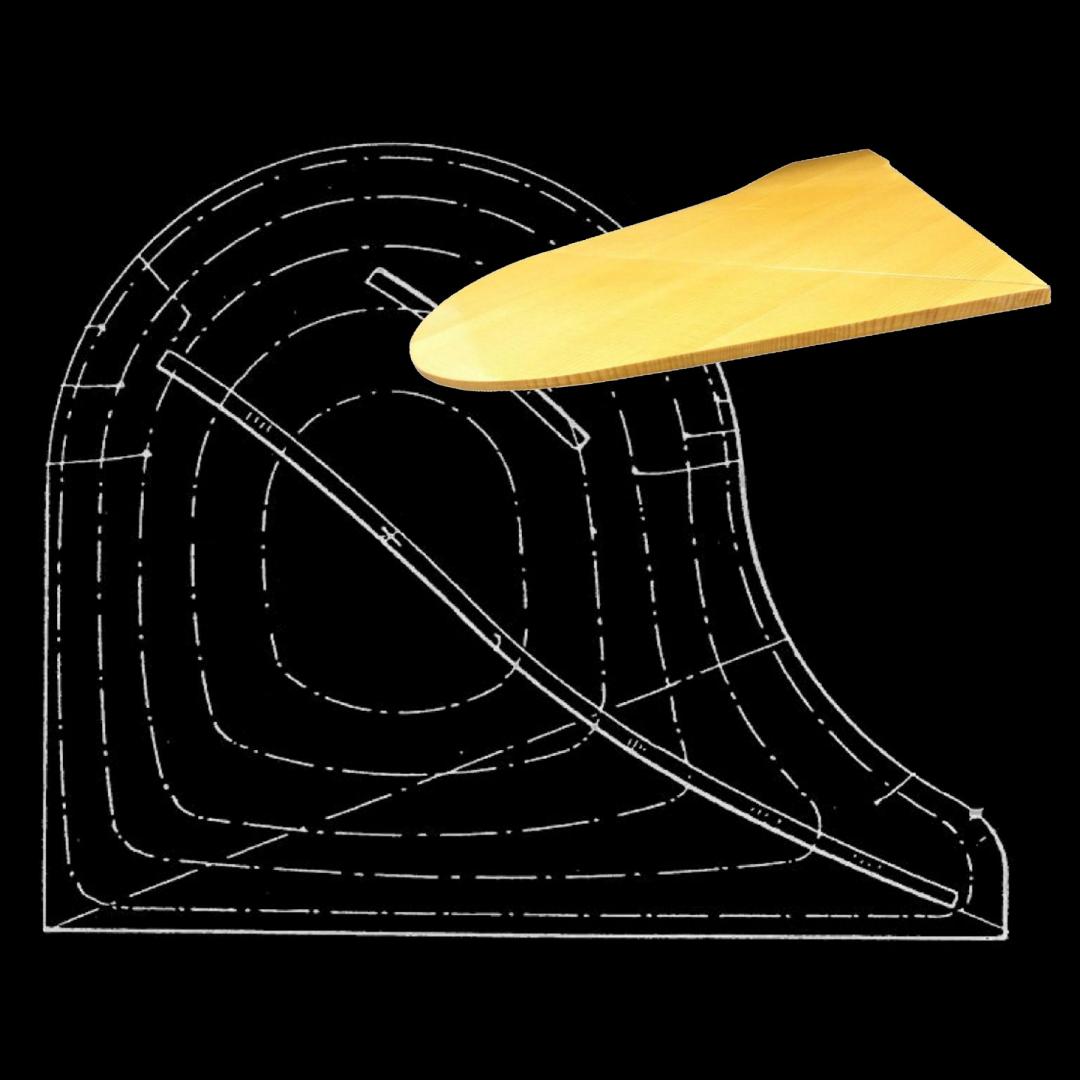
Tapered Soundboard Construction
To promote flexibility, the soundboard is sanded down to be thinner from treble to bass. Because the board is able to vibrate more freely, bass notes sound richer and fuller and overall tone and dynamic range is improved.
All Steinway, Boston, and Essex pianos have tapered soundboards.
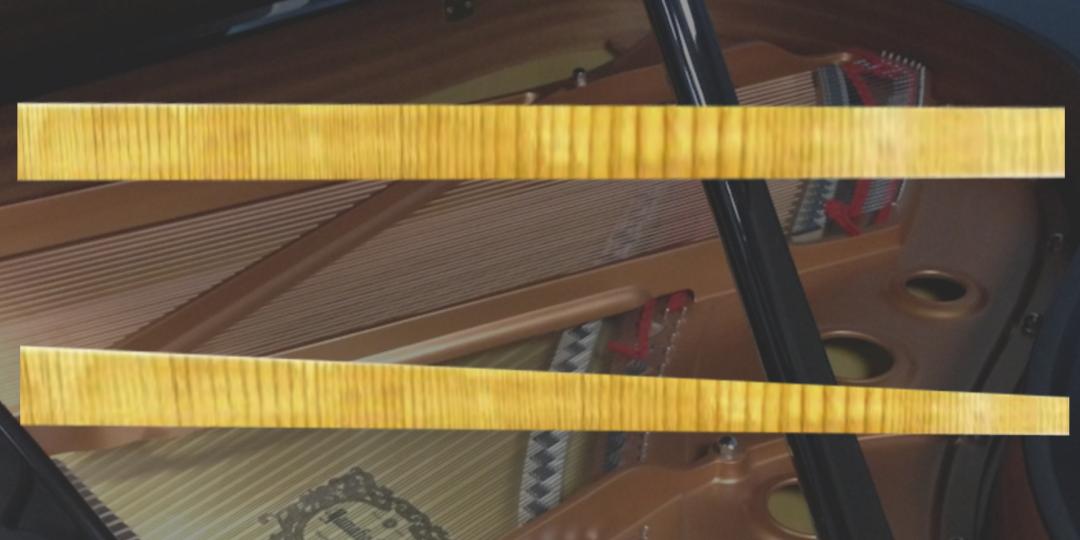
One-Dimensional Soundboard
A one-dimensional soundboard (top) is the same thickness across its width. If a piano has a tapered soundboard, it is generally something that a manufacturer would want a shopper to know, because, all else being equal, a tapered soundboard will provide deeper, richer tone and longer sustain. If a manufacturer relies on broad marketing claims about sound quality rather than providing concrete construction details, it may be a sign that the piano uses a non-tapered soundboard.
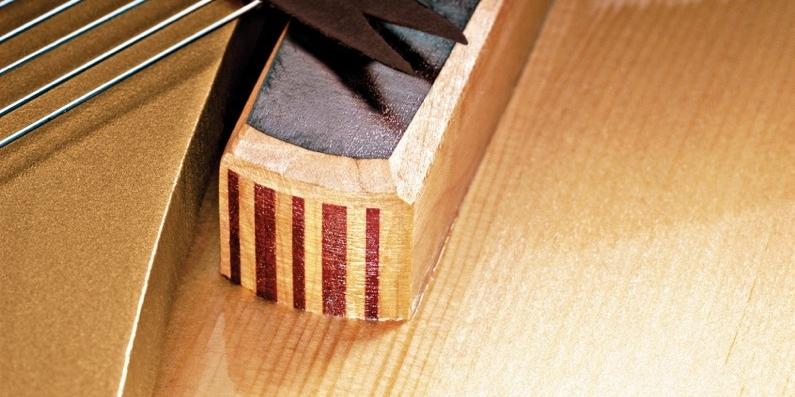
Vertically Laminated Bridges
Originally patented by Steinway in 1880, this groundbreaking design is now found in nearly every high-performance piano in production. The solid bridge is replaced with multiple layers of wood, like a layer-cake on its side. This design transfers vibrations from the strings to the soundboard most efficiently and with the least loss of energy. This improves every aspect of tone, projection, sustain, and dynamic range.
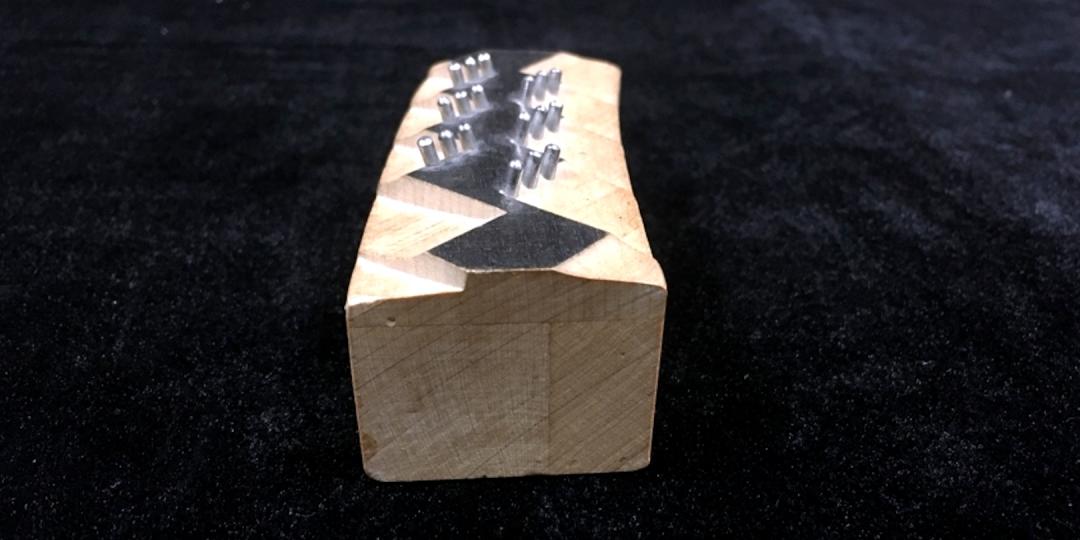
One-Piece Bridges
Bridges conduct the vibrations from the strings into the soundboard. Most uprights and entry-level grands have one-piece bridges, while nearly all performance grands include vertically laminated bridges to improve tone, sustain, and dynamic range. While solid bridges are an industry standard, vertically laminated bridges are a strong indicator that a manufacturer intended to make a piano with exceptional performance.
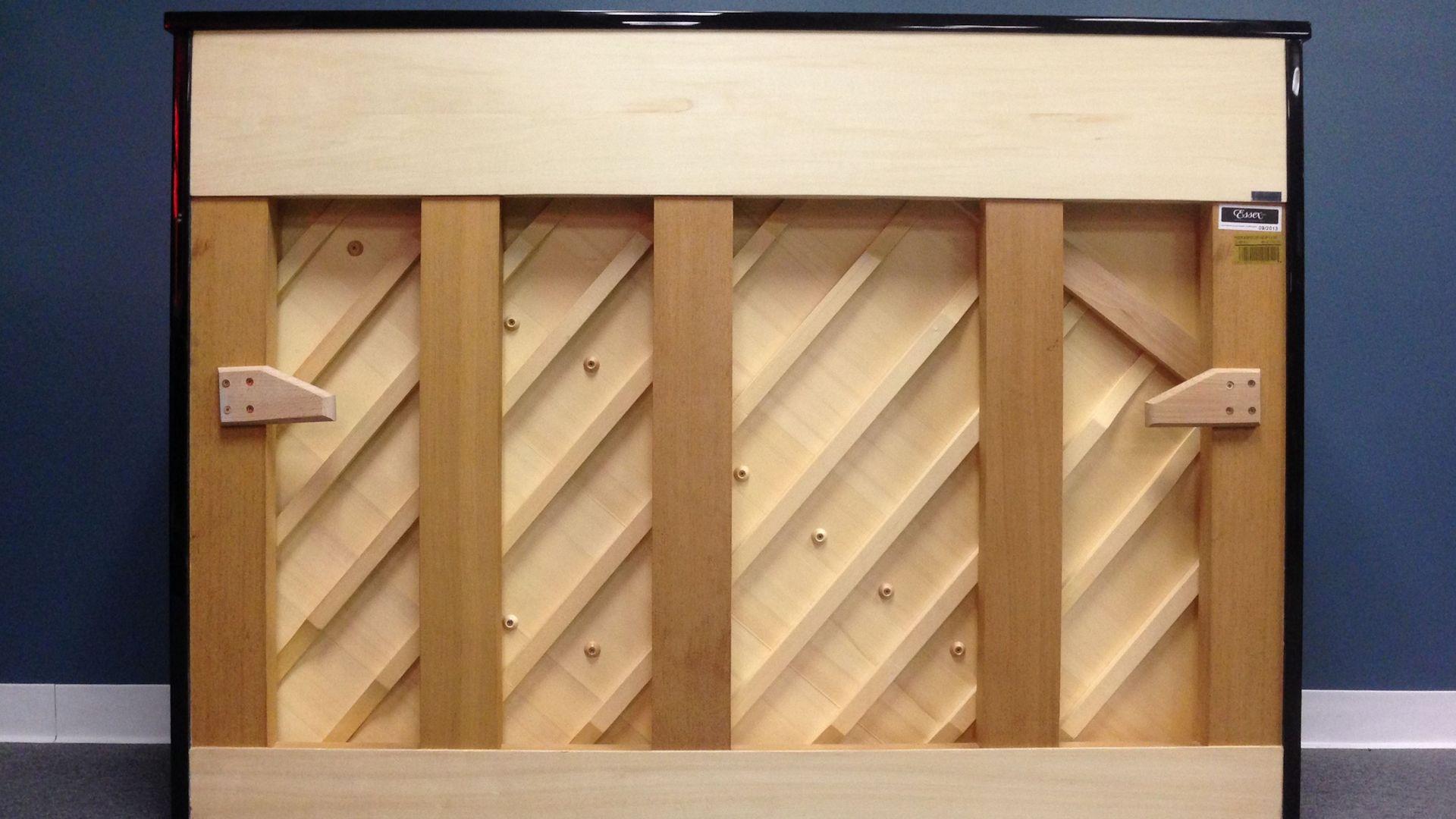
5-Post Backframe
A 5-post backframe is the first indicator that a manufacturer has taken the design of a piano seriously. However, the thickness of the individual back posts matters. A cross sectional surface area of 400cm2 or more provides massive support year after year for the the soundboard’s crown and the nearly 40,000lbs of tension from the strings. The CSA is calculated by multiplying the width and depth of a post, times the number of posts, and it is a good indicator of an upright piano’s structural integrity. The cheapest pianos will have very small backposts or no center backposts at all.
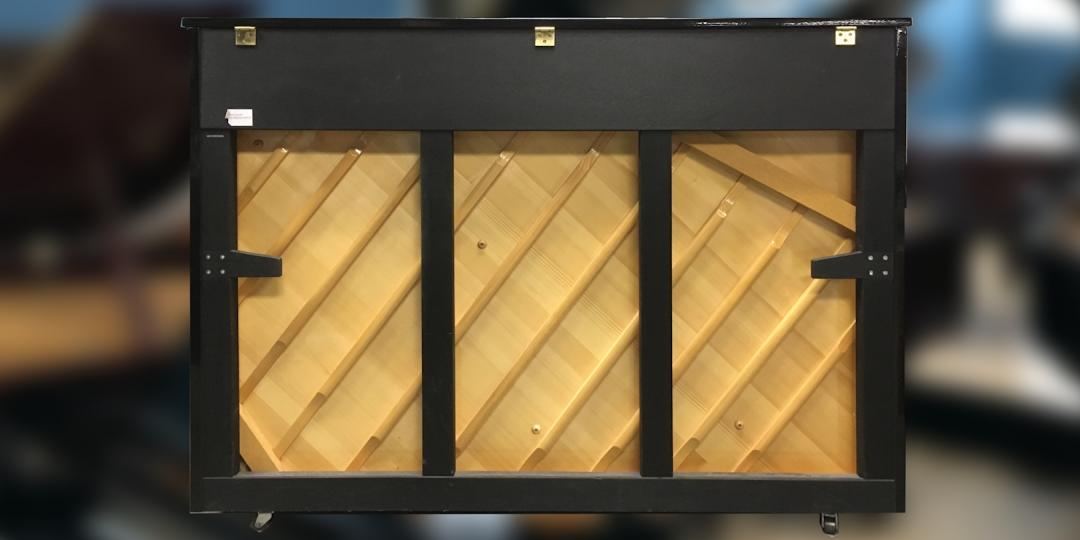
4 Post Back Frame
If the posts are thick, a 4-post backframe can provide very good structural integrity, but nearly all premium uprights have 5 posts. The back-frame of a piano is responsible in large part for a piano’s longevity and performance later in life, because it maintains the proper curvature of the soundboard against approximately 700 pounds of constant pressure from the strings. Inspect the back-frame of every upright you consider purchasing, because the thickness of the back-posts will be one of the first indicators of an upright piano’s quality.
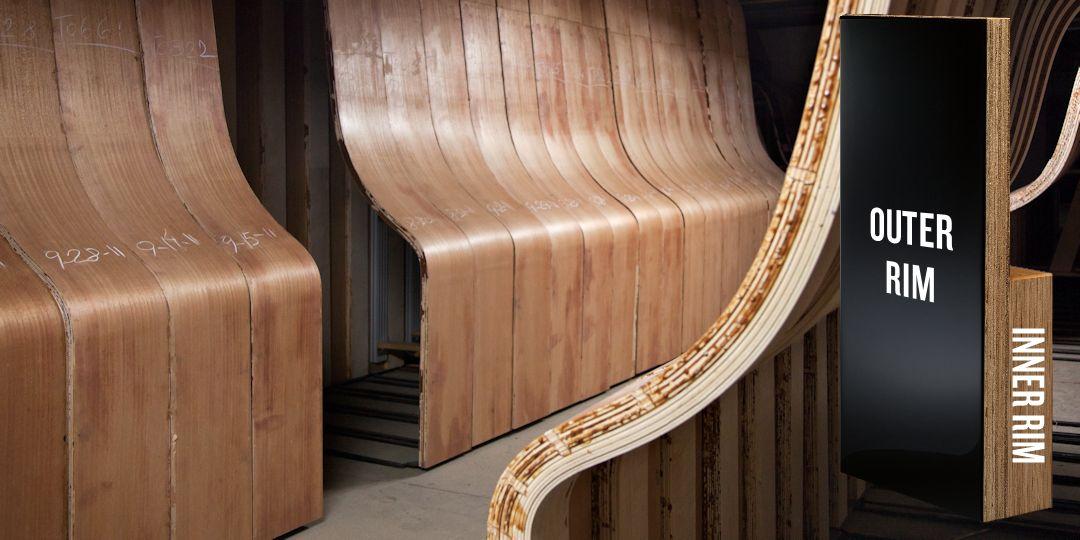
Dense, Maple Wood Rim
The rim of a grand piano is primarily responsible for maintaining the crown, or curvature, of the soundboard. This curvature is absolutely critical to a piano’s ability to project sound and maintain a tuning to proper pitch. As such, strong, rigid, dense wood makes for solid rim construction. Steinway pianos have a unique one-piece, continuous bent, hard-rock MAPLE rim, Boston pianos have a hard-rock MAPLE inner rim and the outer rim is MAHOGANY. Essex grands have BEECH inner rims and MAPLE outer rims. Many manufacturers do not specify their rim material, possibly obscuring the use of inferior materials or allowing for variations in production.
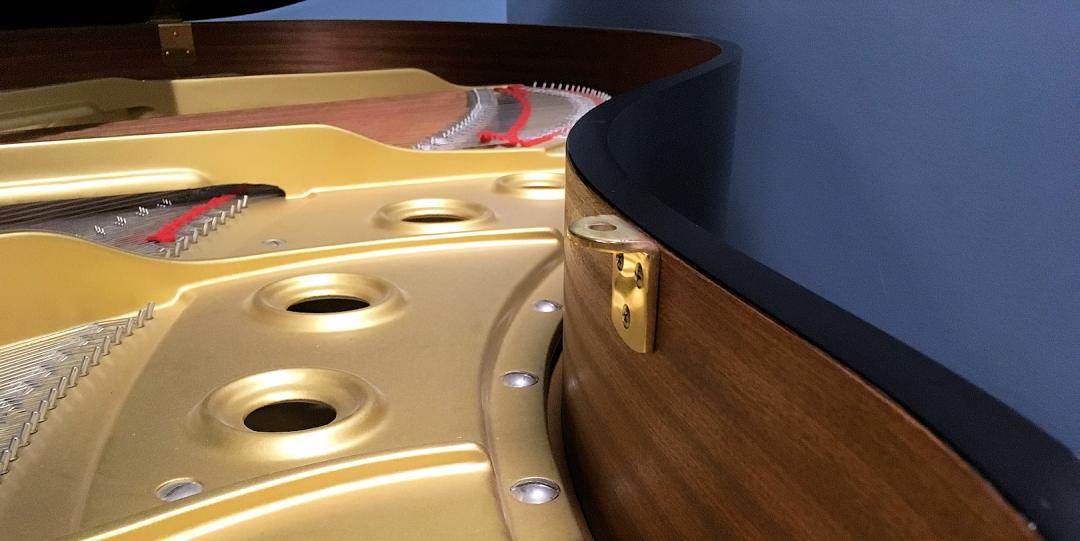
Unspecified Rim Material
Some manufacturers often use terms like “select hardwoods” and “carefully selected wood based on its acoustic characteristics” to describe their materials. Most often in the piano industry, this can be interpreted as “may change without notice.” Not committing to a standard in writing leaves shoppers in the dark as to what they are purchasing. In the case of some older pianos, the information is simply not able to be verified through research.
Duplex Scale Design
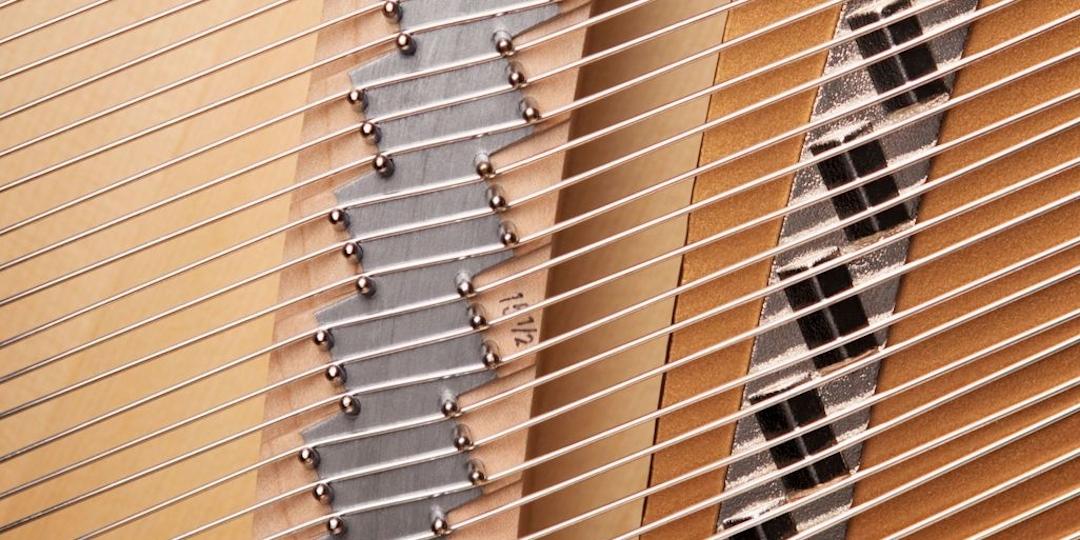
Originally patented by Steinway in 1872, similar designs are now implemented in countless performance grands. Each treble string is sectioned into three separate vibrating lengths. The longest is in the middle and this is the main note we hear. The duplex sections on either end are tuned to upper harmonics of the main note. This design greatly enhances the complexity and richness of the tone and increases the strength of the very highest notes.
No Duplex Scale
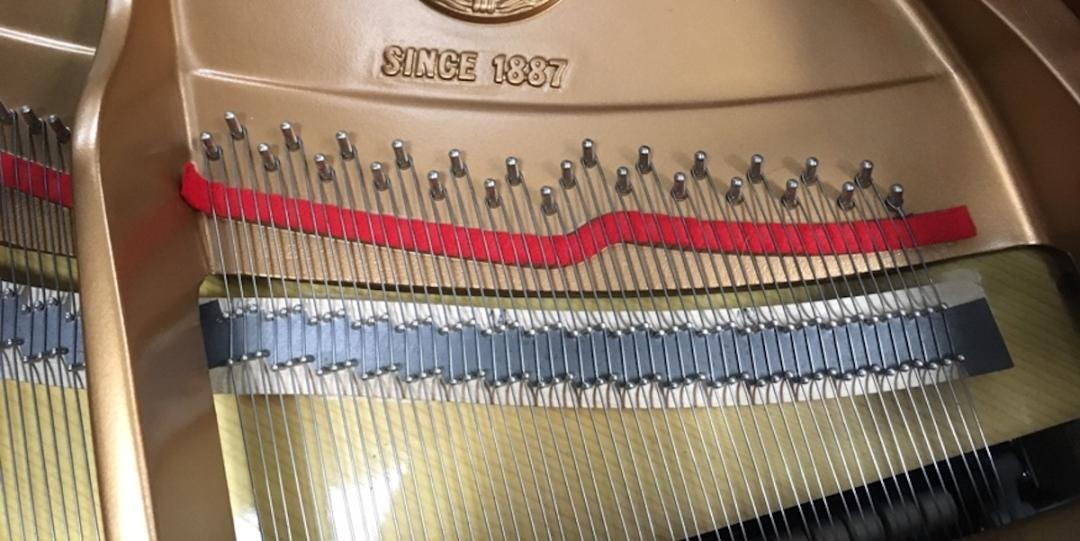
Instead of a duplex, felt (red in this example picture) is used to prevent the length of string that extends beyond the bridge from vibrating. By dampening these vibrations rather than utilizing a duplex scale, this design sacrifices those subtle sympathetic overtones and the added richness they provide.
The Upstate Pianos Experience
More than a sale. A longterm investment and relationship.
As an authorized Steinway dealer, we back every piano with guarantees most stores cannot offer, and with people who have spent their careers around fine instruments. But we feel it is our reputation for honest business that is your strongest assurance.
Factory Authorized
Upstate Pianos is proud to have earned the exclusive designation of Authorized Steinway Dealer. Only though hard work and unwavering commitment to customer satisfaction does a dealership demonstrate they are ready to represent the finest pianos in the world and the STEINWAY & SONS brand.
30+ Years of Expertise
Our lead staff members are industry professionals with over 30 years experience. Our extensive backgrounds in consultation, education and technical service provide our customers with unique perspectives that go far beyond a piano’s name and price and really match the piano to each client’s lifestyle and long-term goals.
10-Year Upgrade Guarantee
As your needs change, Upstate Piano makes it easy to upgrade. New and used acoustic pianos receive a 10-year guarantee to apply the full purchase price of your first piano toward a second piano that is at least double the first piano’s price. Our digital pianos have the same protection for 3 years. Because we are the area’s authorized STEINWAY & SONS dealer, you can upgrade all the way to the finest pianos in the world.
The Steinway Promise
The Steinway Promise is a unique document from STEINWAY & SONS that assures the value of your Boston or Essex piano. The promise is: If at any time within ten years of the date of this certificate you decide to trade your Steinway designed Boston or Essex piano for a new Steinway & Sons grand piano, you will receive an allowance equal to the full purchase price of your trade in piano. No other manufacturer provides such a guarantee of value.