Reconditioned
· ENCORE Reconditioned
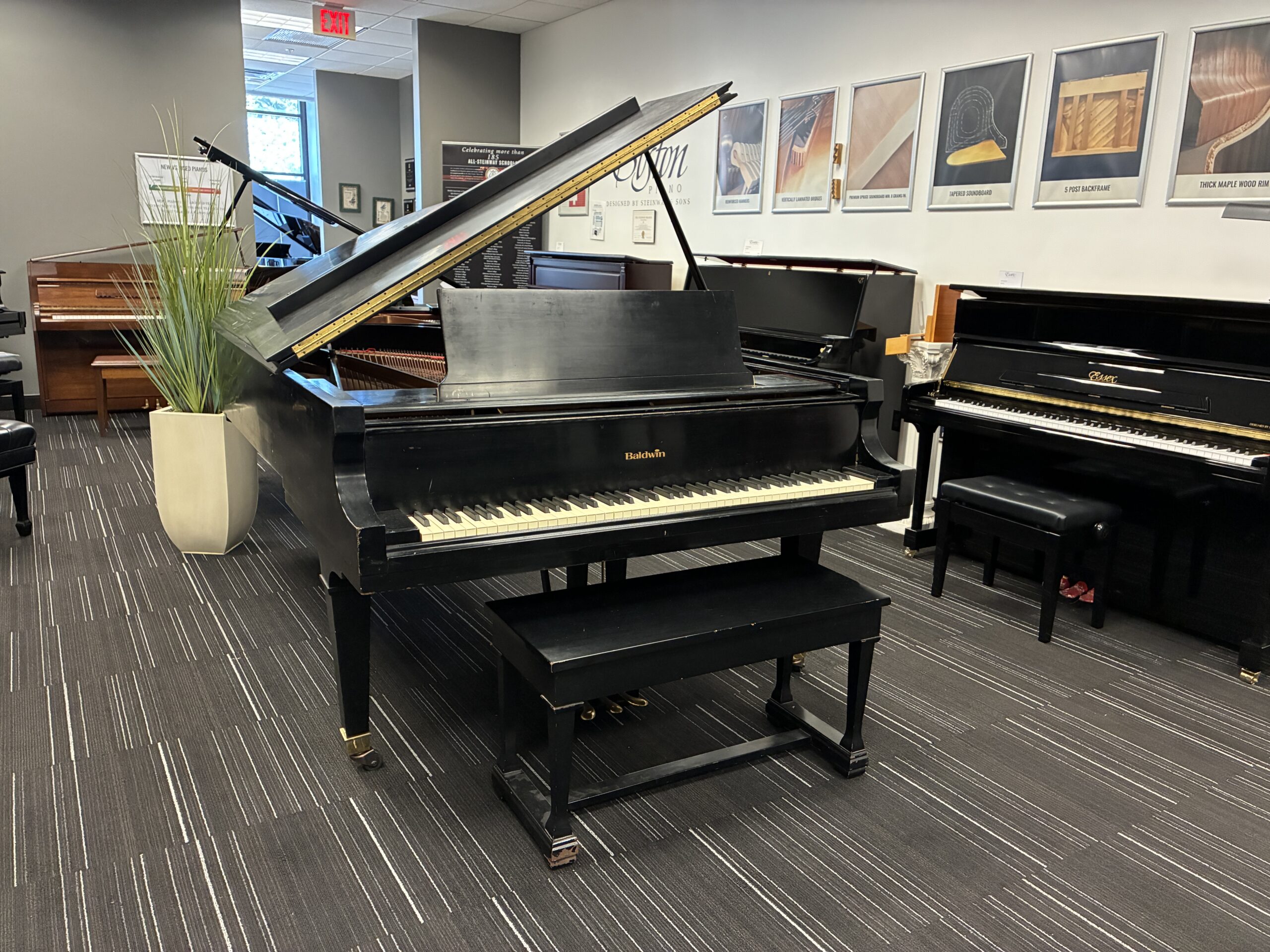
SF Semi Concert Grand
7" Grand
$10,888
REDUCED $6100!
PRICE INCLUDES
- 5 Year Structural Warranty
- 10 Year Full-Trade-Value Guarantee
- Pre-delivery tuning and inspection
- First in-home tuning after delivery
- Matching Bench
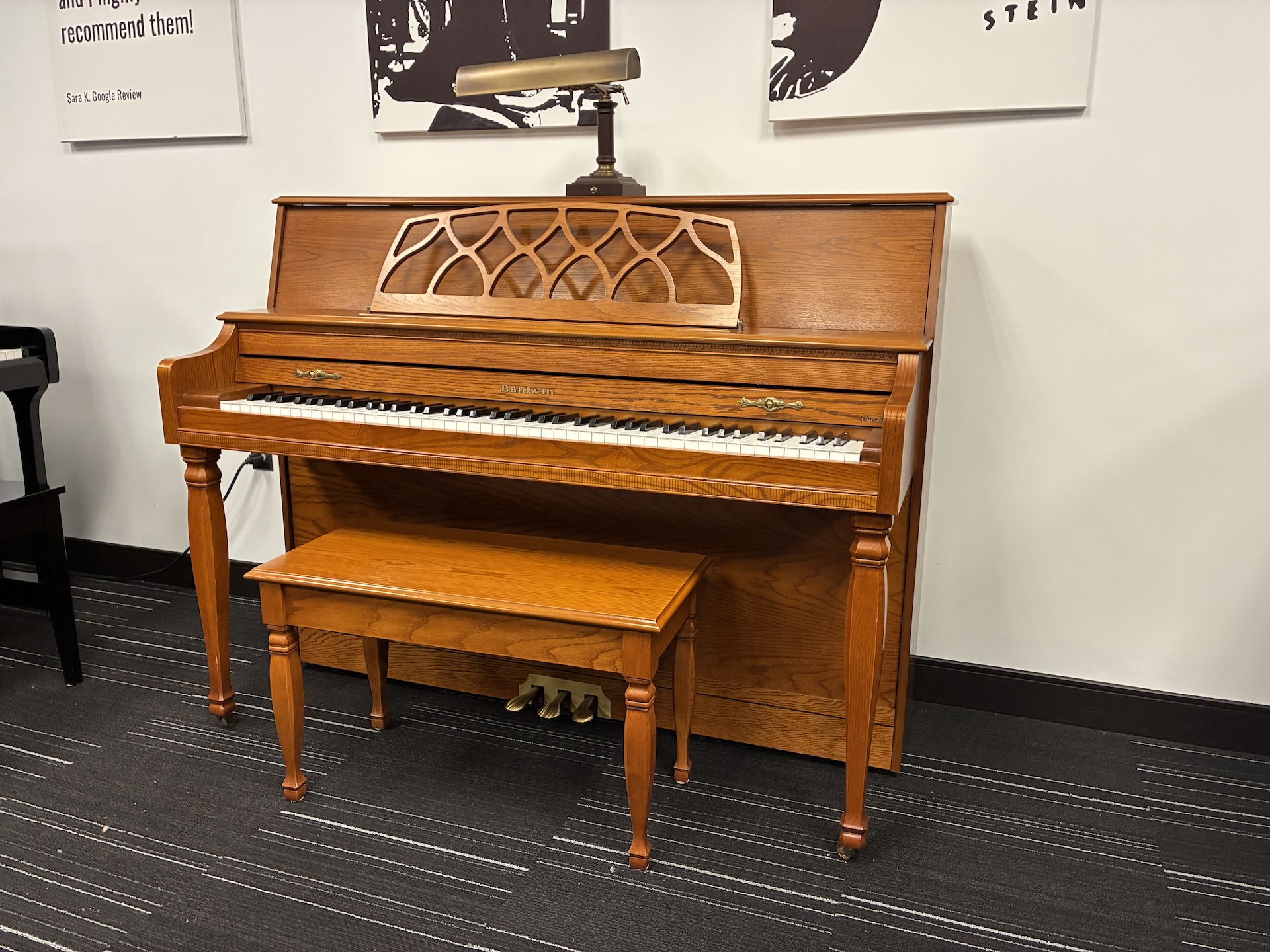
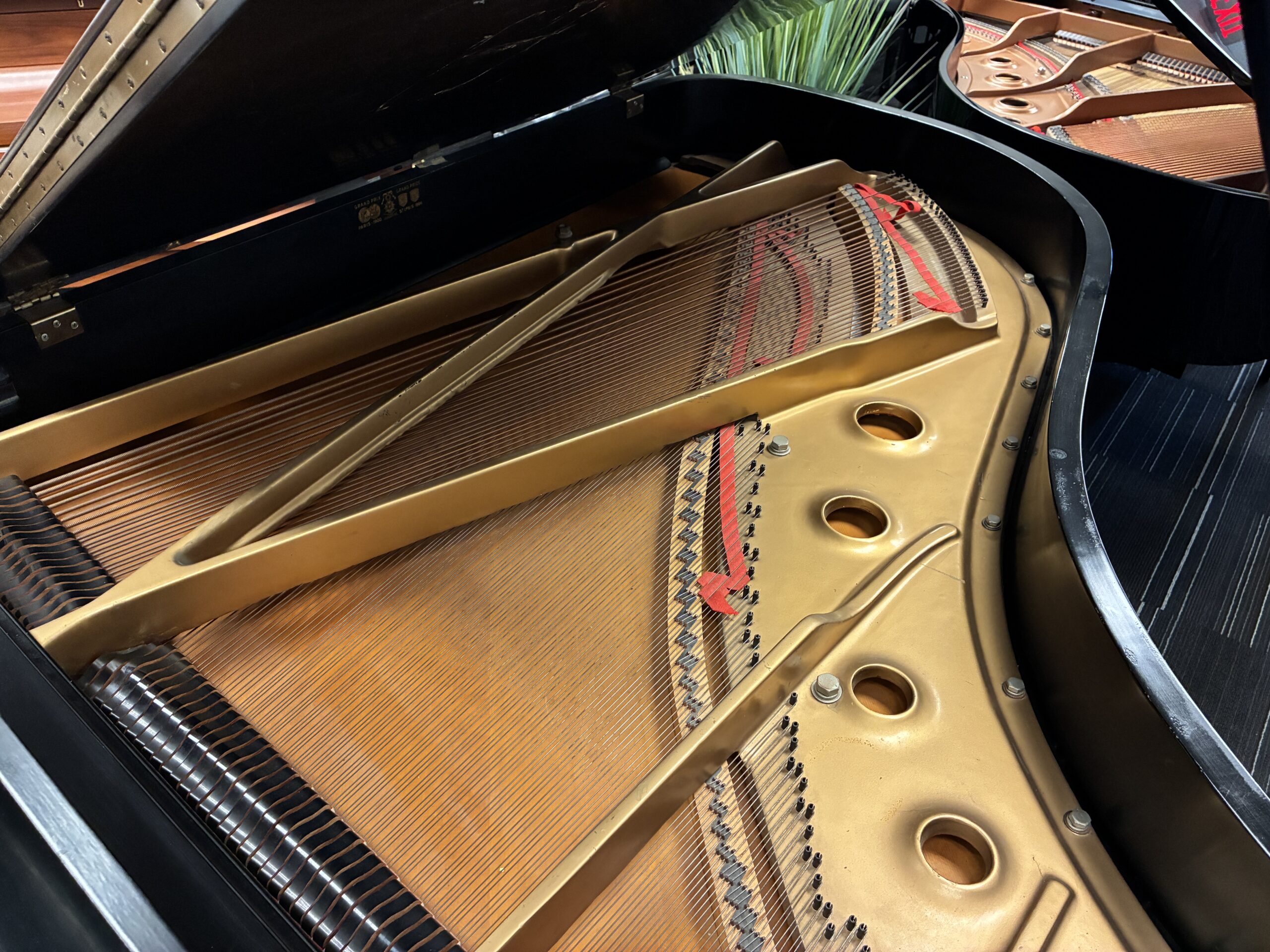
Made in the USA in 1984, the Baldwin SF Semi Concert Grand was a titan in the piano world. Clear, powerful bass and rich tone across the scale. This piano was a concert piano, so the cabinet shows signs of wear, but it is in fine mechanical condition.
E.N.C.O.R.E. RECONDITIONING
Our reconditioning process is our promise to you that your pre-owned piano from UPSTATE PIANOS is in the best condition it can be and will not give you any surprises.
Evaluated by professionals
No structural failures
Cleaned and polished
Optimized tone, tuning & voicing
Regulated for even, responsive touch
Ensured your value with guarantees
ABOUT BALDWIN
Pre-2008 Baldwins can make great used piano purchases, because they are the original Baldwin designs from when the company was still making pianos in America. In 2001, Baldwin went bankrupt trying to compete with Japanese brands like Yamaha and Kawai and the new-at-the-time Boston and Essex brands by Steinway. Baldwin was eventually purchased by Gibson, the guitar company, who in 2008 moved all Baldwin production overseas. Gibson itself filed for bankruptcy in May of 2018. In today’s new-piano market, our research has shown that Steinway’s Boston & Essex pianos offer significantly better performance and value, dollar-for-dollar, but pre-2008 Baldwins, when they were made in the U.S., and Pre 2001, when they were made under the original Baldwin Company, were one of the most popular brands in the country.
Premium features.
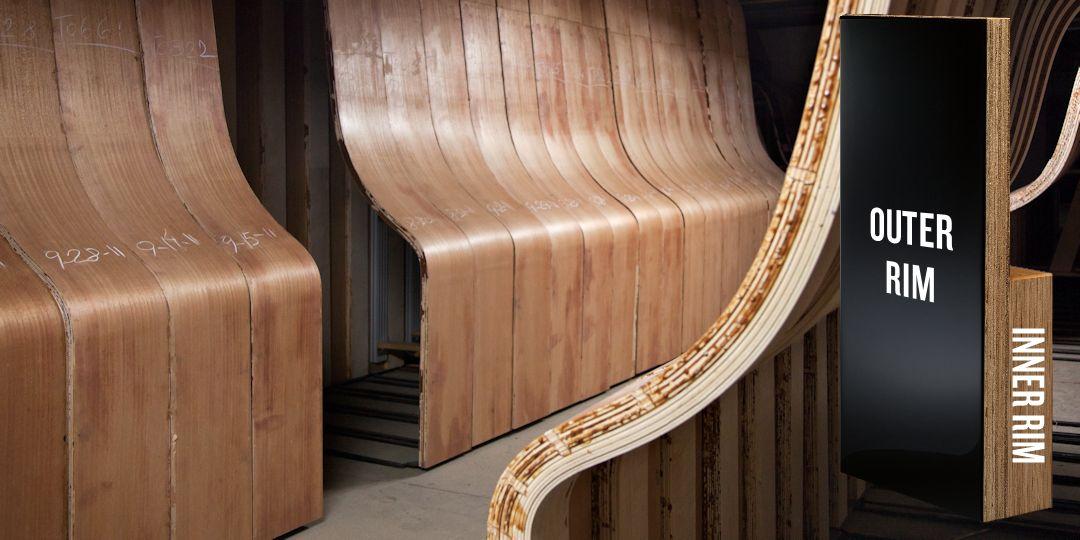
Dense, Maple Wood Rim
The rim of a grand piano is primarily responsible for maintaining the crown, or curvature, of the soundboard. This curvature is absolutely critical to a piano’s ability to project sound and maintain a tuning to proper pitch. As such, strong, rigid, dense wood makes for solid rim construction. Steinway pianos have a unique one-piece, continuous bent, hard-rock MAPLE rim, Boston pianos have a hard-rock MAPLE inner rim and the outer rim is MAHOGANY. Essex grands have BEECH inner rims and MAPLE outer rims. Many manufacturers do not specify their rim material, possibly obscuring the use of inferior materials or allowing for variations in production.
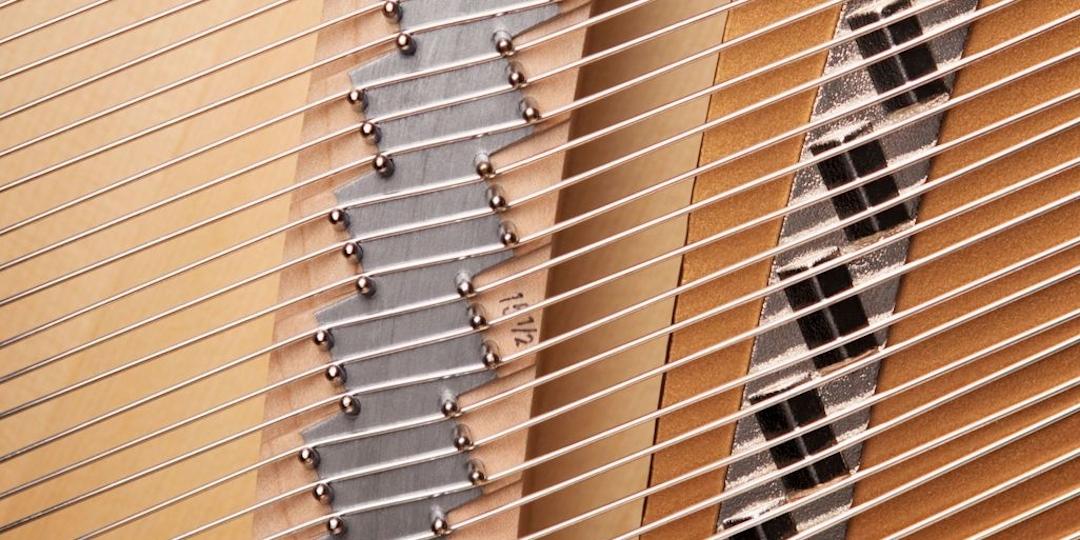
Duplex Scale Design
Originally patented by Steinway in 1872, similar designs are now implemented in countless performance grands. Each treble string is sectioned into three separate vibrating lengths. The longest is in the middle and this is the main note we hear. The duplex sections on either end are tuned to upper harmonics of the main note. This design greatly enhances the complexity and richness of the tone and increases the strength of the very highest notes.
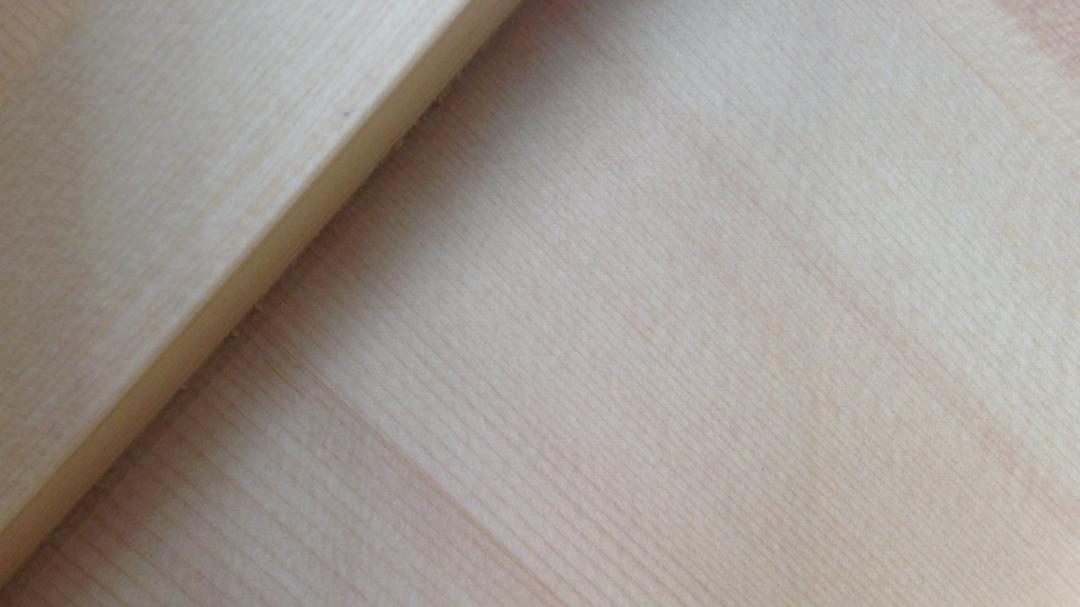
Premium Spruce Soundboard
All the finest pianos have premium solid-spruce soundboards, but spruce soundboards are not created equal. A premium soundboard will be made of straight-grain solid spruce (not laminated) with a minimum of 8 grains per inch and be free of knots and irregularities. These qualities ensure overall structural integrity and even distribution of vibrations. Most manufacturers do not specify anything beyond solid vs. laminated, allowing for a wide variance in wood quality.
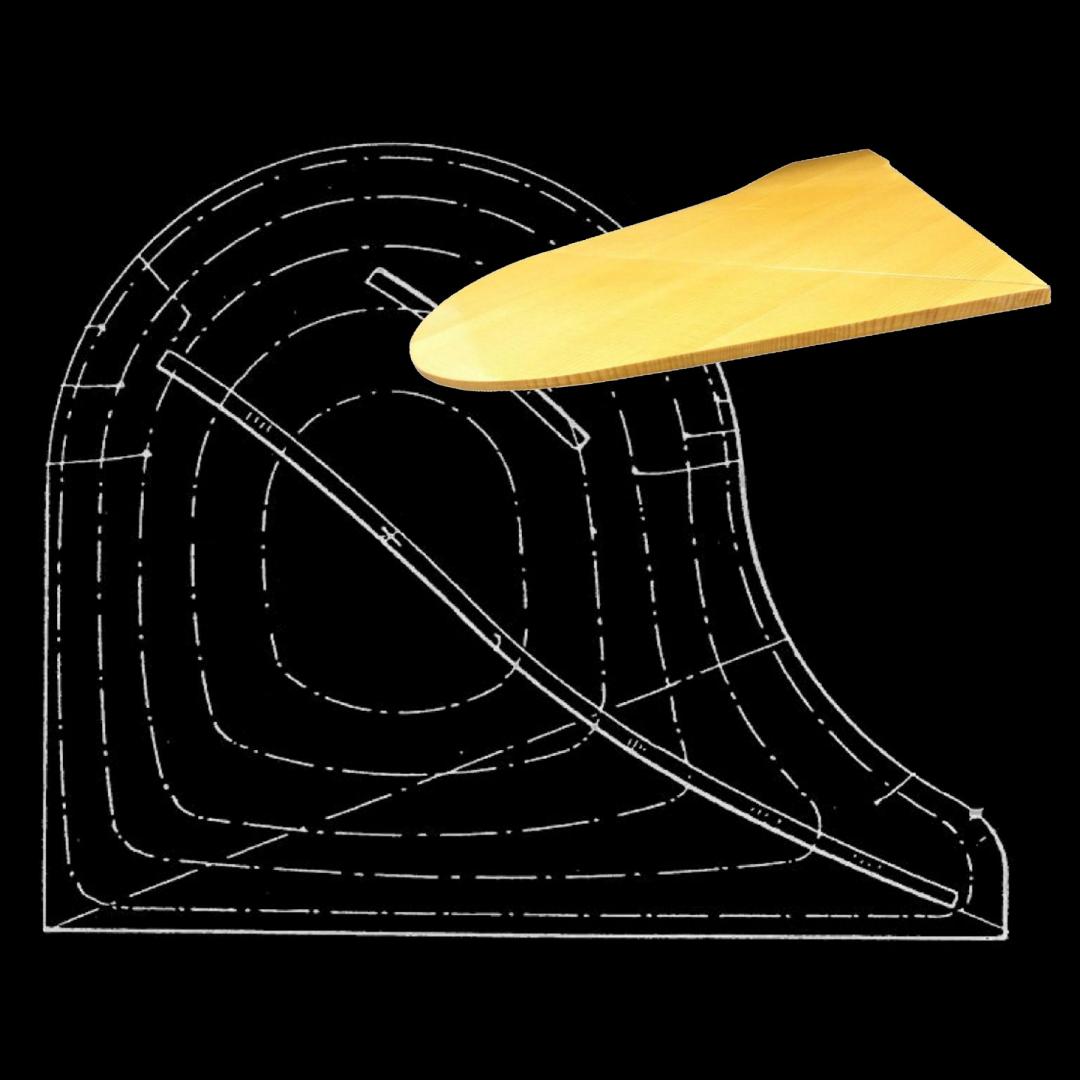
Tapered Soundboard Construction
To promote flexibility, the soundboard is sanded down to be thinner from treble to bass. Because the board is able to vibrate more freely, bass notes sound richer and fuller and overall tone and dynamic range is improved.
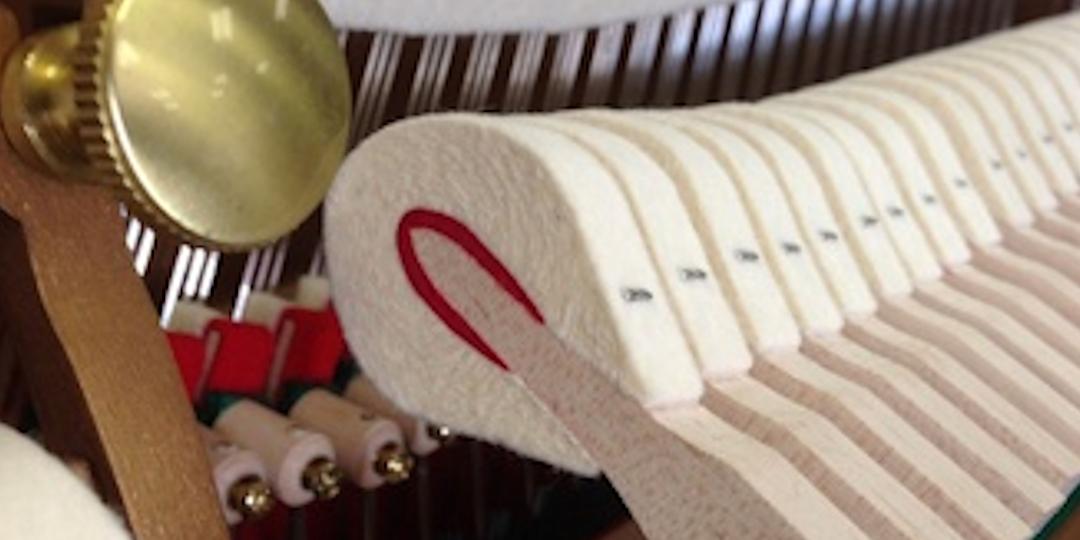
Underfelted Hammers
Dense under-felt is applied before the white hammer felt is glued and fastened to the hammer molding. This reinforcement will help the hammer retain its shape through years of impact with the strings and adds mass to the hammer to deliver more energy to the string. Often overlooked and not something that will cause an issue right away, this is a feature many manufacturers will eliminate in order to cut costs.
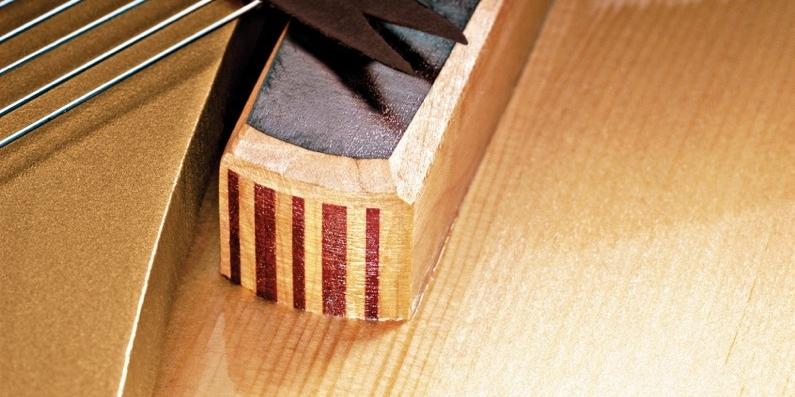
Vertically Laminated Bridges
Originally patented by Steinway in 1880, this groundbreaking design is now found in nearly every high-performance piano in production. The solid bridge is replaced with multiple layers of wood, like a layer-cake on its side. This design transfers vibrations from the strings to the soundboard most efficiently and with the least loss of energy. This improves every aspect of tone, projection, sustain, and dynamic range.