

New
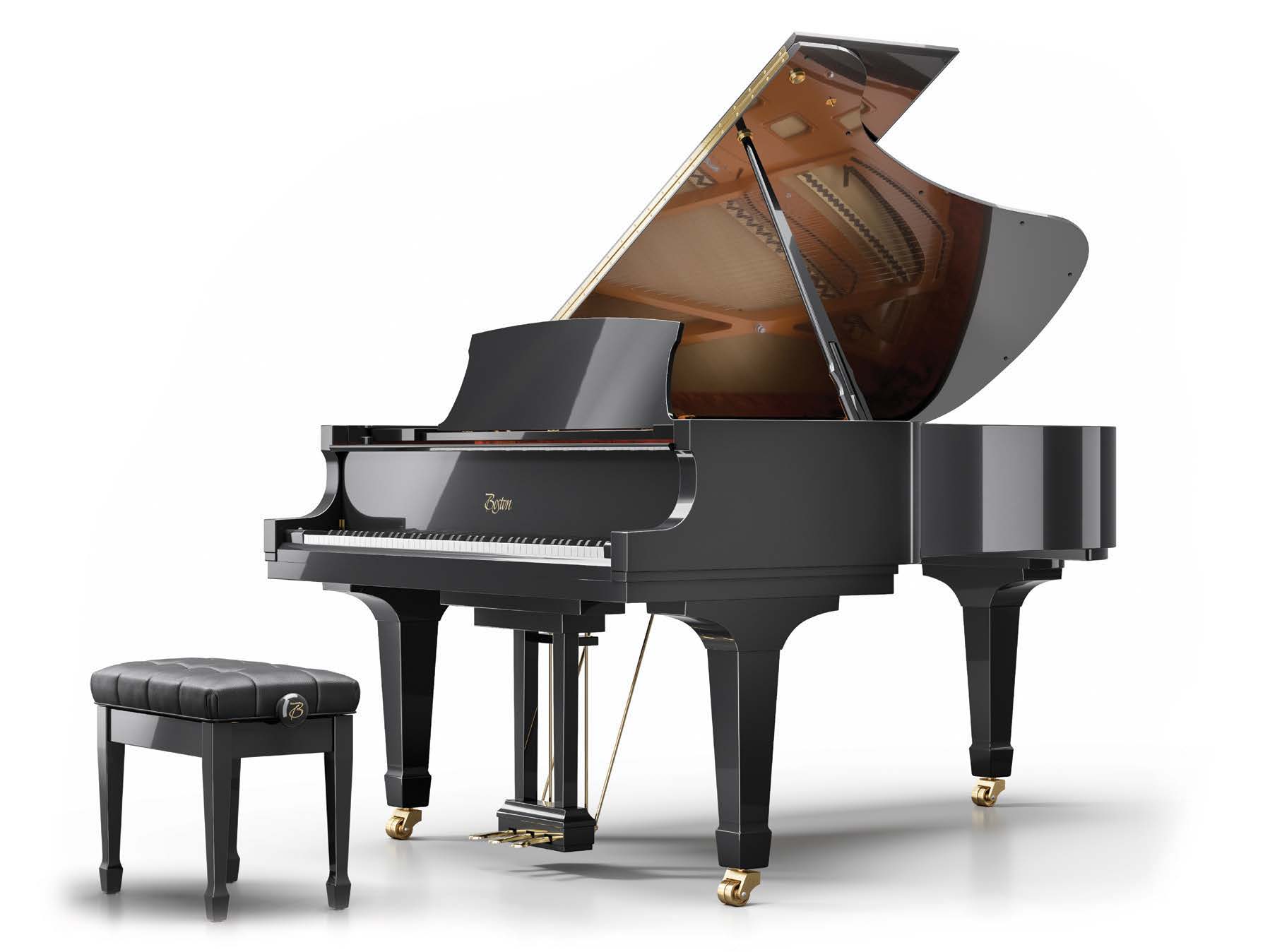
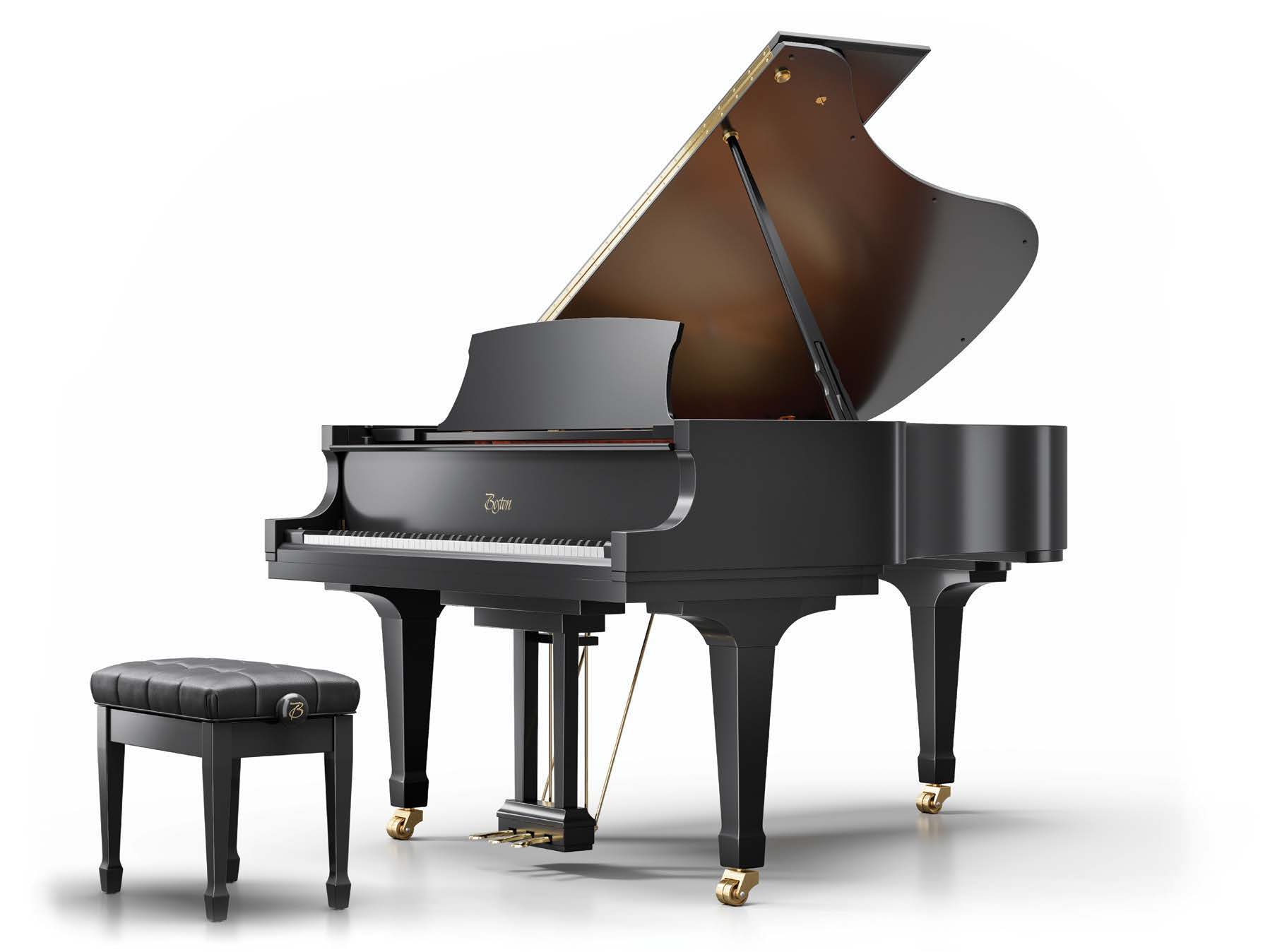
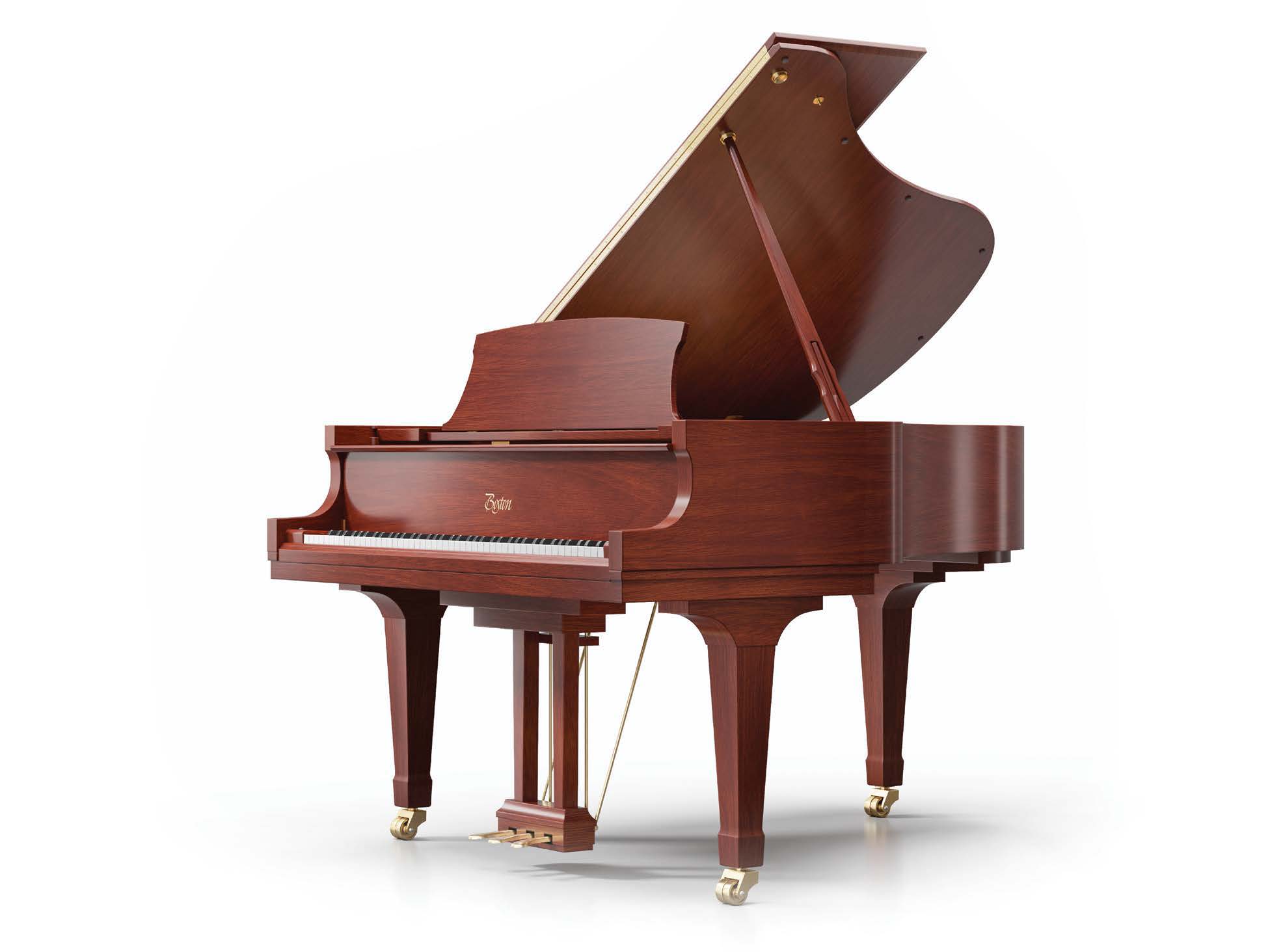
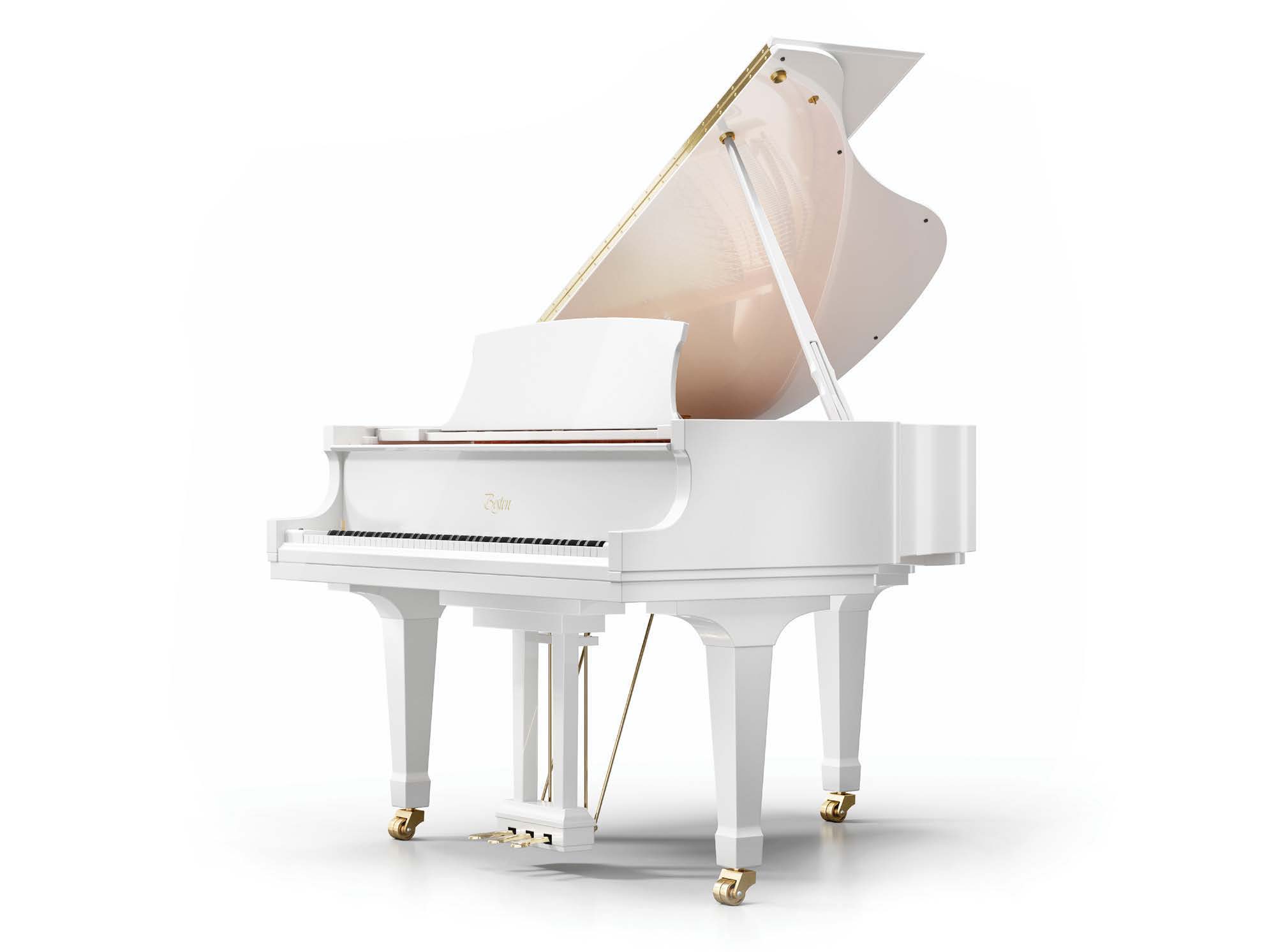
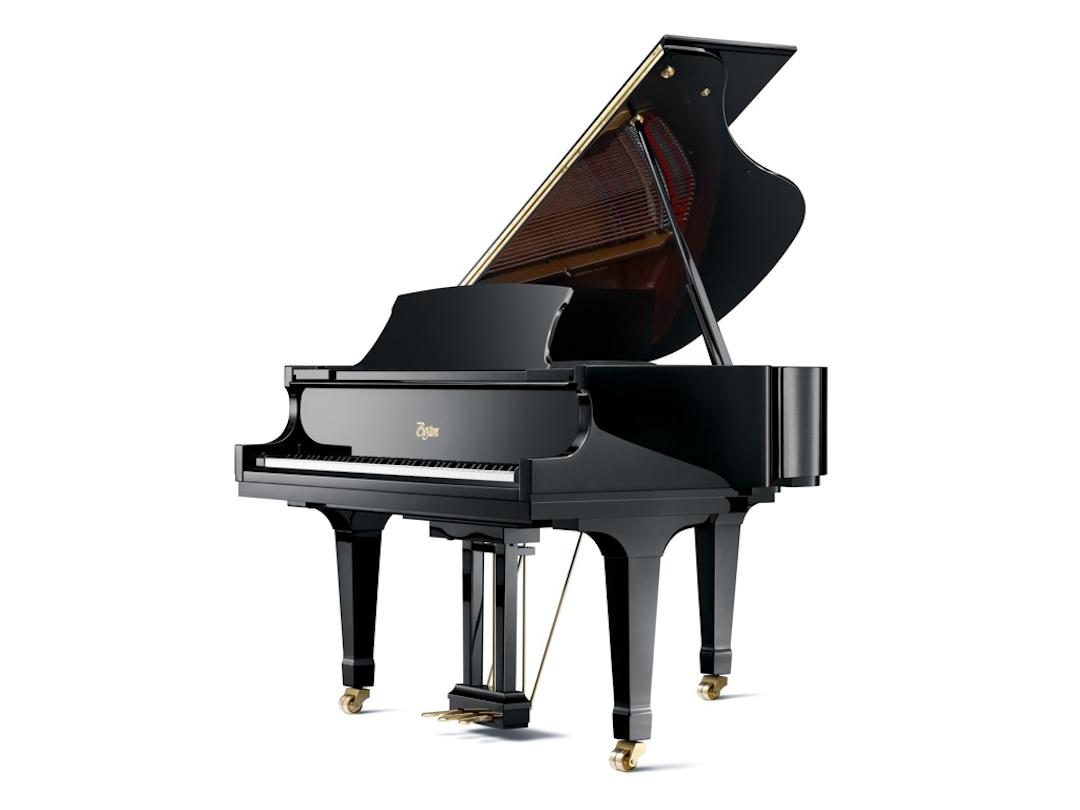
GP-156 Performance Edition II
7' 1" Grand
Finance as low as $343/mo*
STEINWAY HAMMERS
Boston grands are the only new pianos other than Steinway pianos that are designed and built with Steinway Hammers. These hammers are designed in NY and made in Steinway’s Renner facility in Germany. Featuring Weikert Special Felt, hornbeam hammer moldings, and royal purple underfelt, unique to Steinway, these hammers raise Boston to a level of performance that is second only to Steinway.
#1 COLLEGE PIANO
Inch for inch, Boston pianos are upwards of 50+ lbs. heavier than competitor’s pianos. More material is used in their construction, ensuring you get a piano that will stand the test of time and maintain peak performance longer. Today, over 250 top colleges and universities use Boston pianos exclusively in their practice rooms. In the 300 year history of the piano, no manufacturer has won such favor among the teachers of the finest pianists in the world.
STEINWAY MODEL A WIDE-TAIL
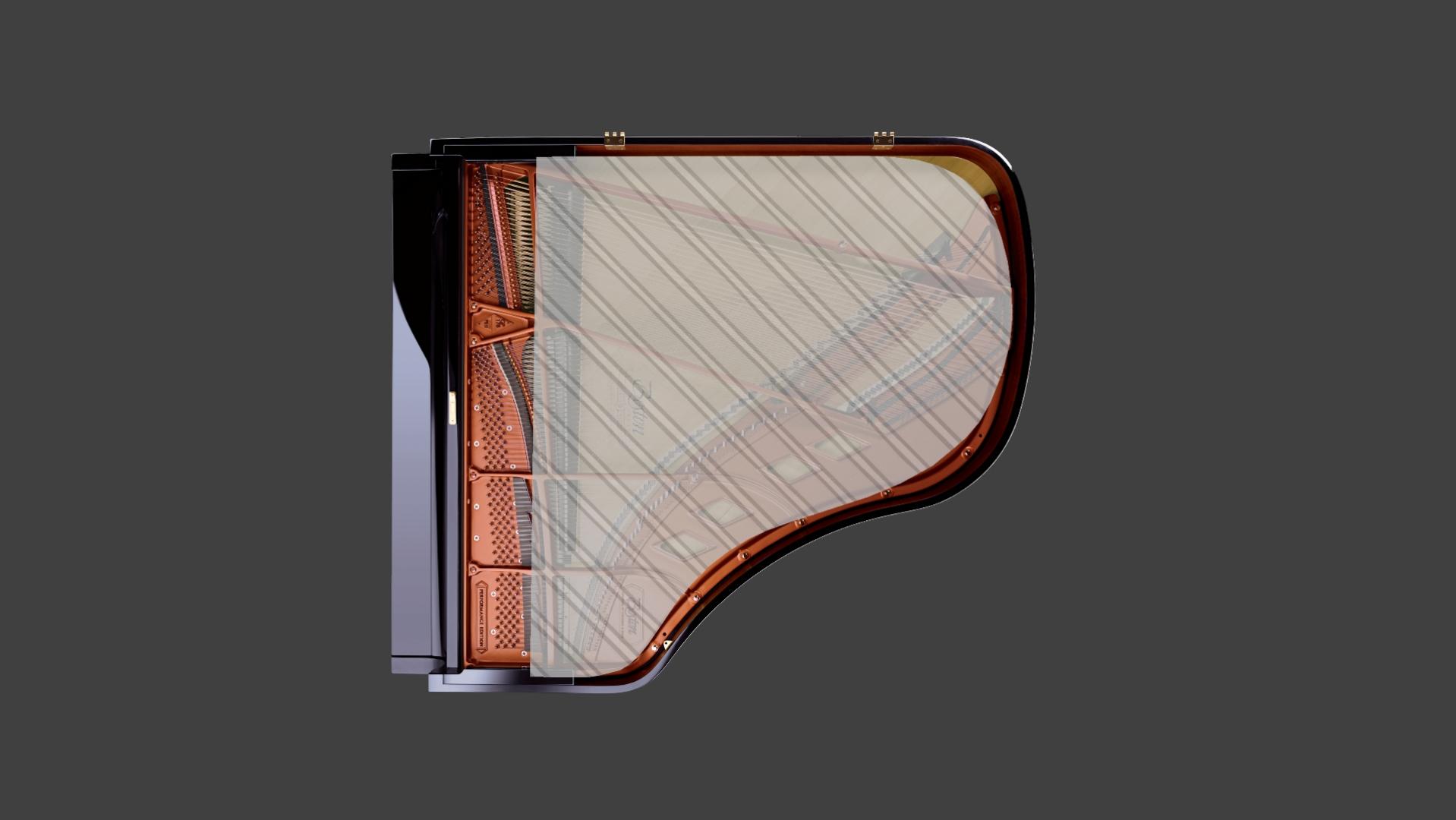
The Boston wide-tail design delivers performance well above its size and price. It provides for a significantly larger soundboard, making, for example, the 5′ 10″ Boston play like a 6′ 2″ piano by other manufacturers.
THE MAPLE RIM
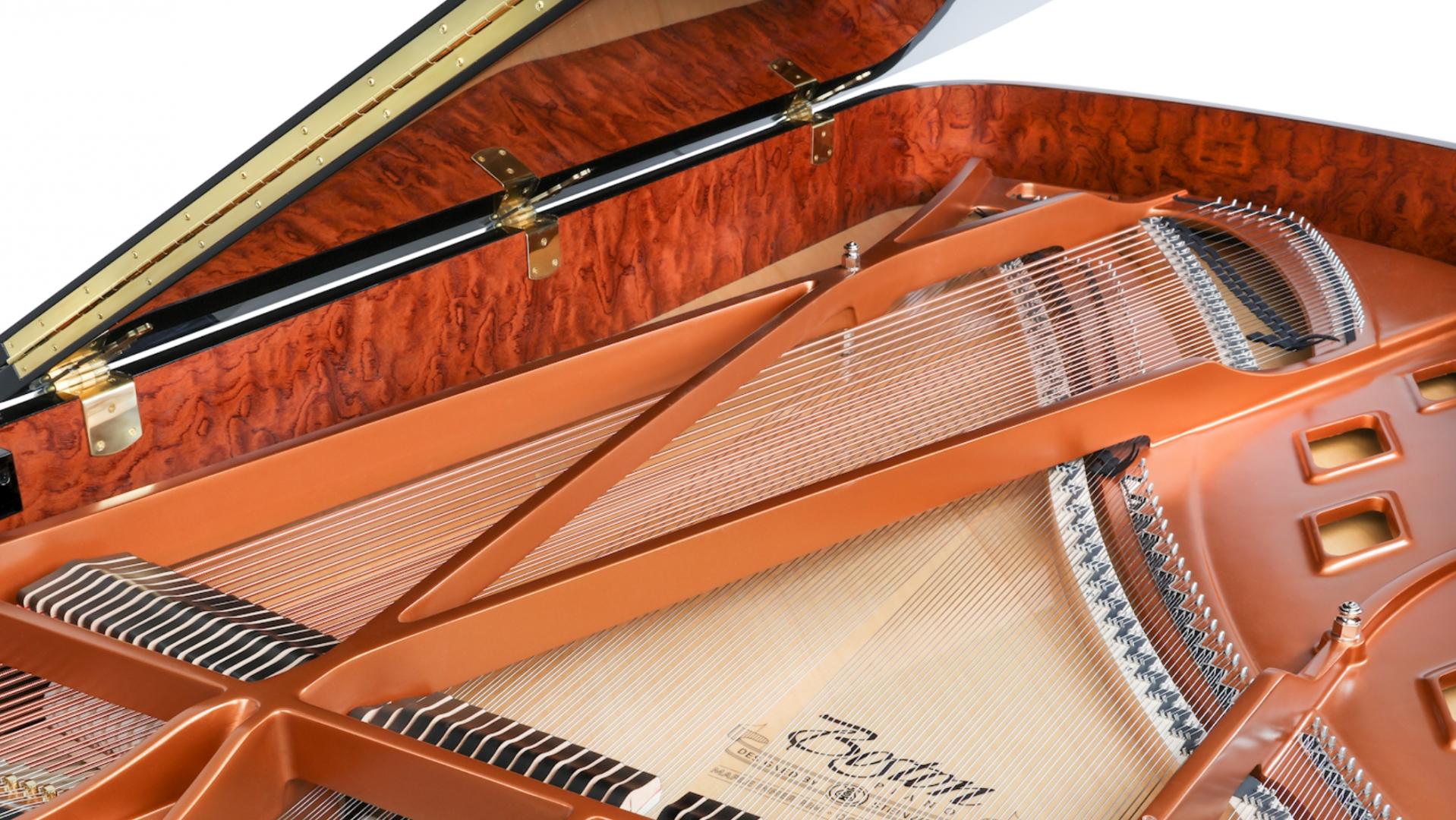
The exclusive set of design features found in Boston grands sets them apart from all other pianos in their class. The maple inner rim is made from the same material used in Steinway rims and is largely credited for Steinway performance and longevity.
UNIFORM PRODUCTION
Unlike any other similarly-priced brand that we know, ALL BOSTON PIANOS ARE MADE THE SAME. The features, materials, and craftsmanship remain constant from model to model and are not reduced or altered to meet lower price points on smaller pianos.
THE USED STEINWAY ALTERNATIVE
A fine alternative to purchasing older used Steinways, Boston pianos outperform pianos in their class and beyond, even outshining many hand-made European pianos.
Premium features.
Duplex Scale Design
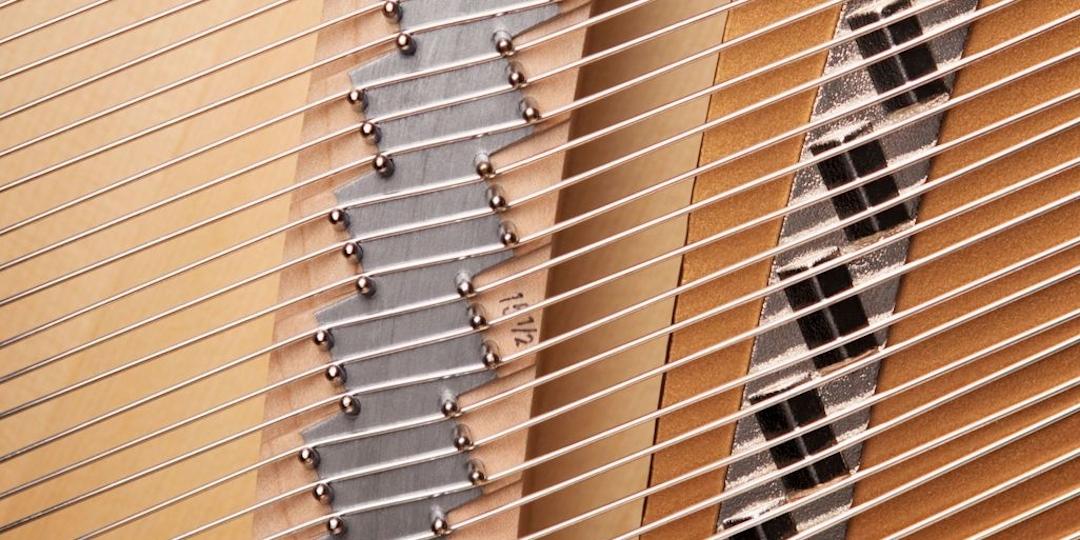
Originally patented by Steinway in 1872, similar designs are now implemented in countless performance grands. Each treble string is sectioned into three separate vibrating lengths. The longest is in the middle and this is the main note we hear. The duplex sections on either end are tuned to upper harmonics of the main note. This design greatly enhances the complexity and richness of the tone and increases the strength of the very highest notes.
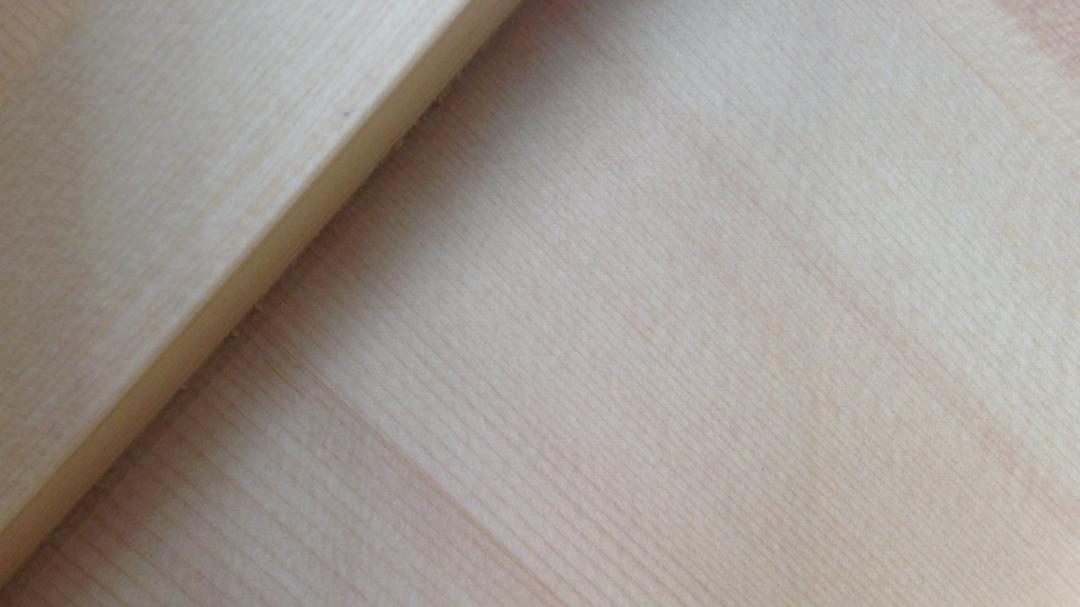
Premium Spruce Soundboard
All the finest pianos have premium solid-spruce soundboards, but spruce soundboards are not created equal. A premium soundboard will be made of straight-grain solid spruce (not laminated) with a minimum of 8 grains per inch and be free of knots and irregularities. These qualities ensure overall structural integrity and even distribution of vibrations. Most manufacturers do not specify anything beyond solid vs. laminated, allowing for a wide variance in wood quality.
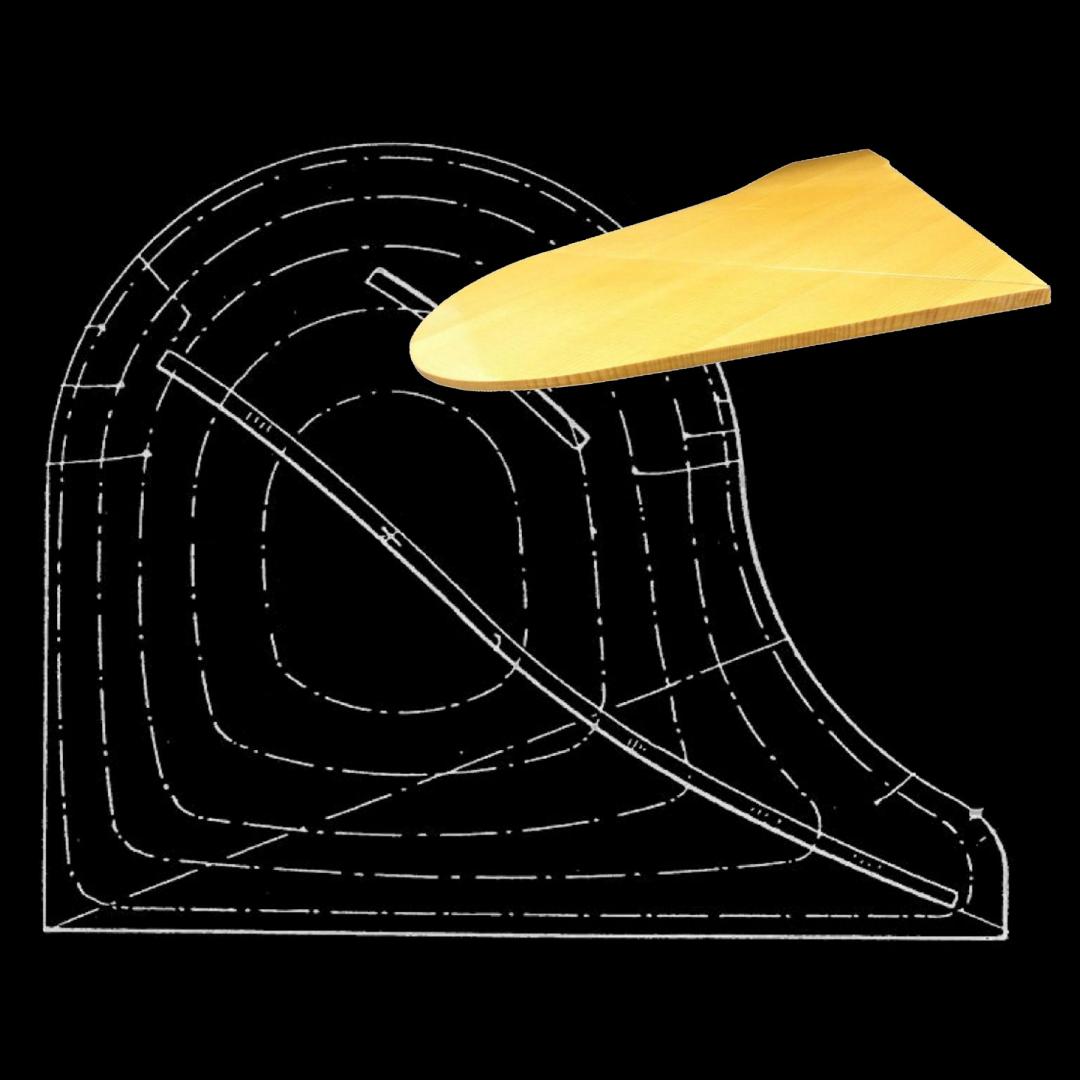
Tapered Soundboard Construction
To promote flexibility, the soundboard is sanded down to be thinner from treble to bass. Because the board is able to vibrate more freely, bass notes sound richer and fuller and overall tone and dynamic range is improved.
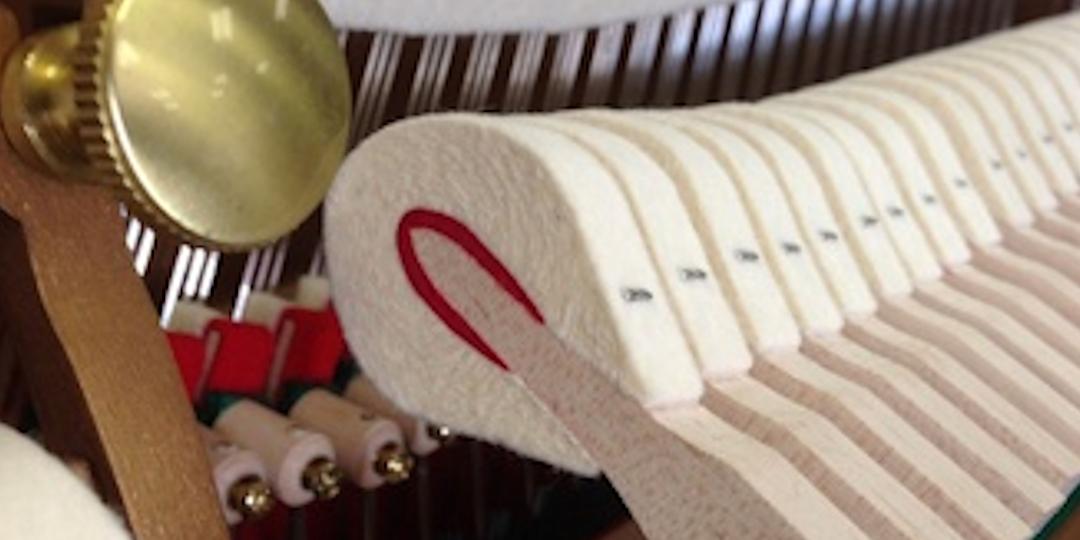
Underfelted Hammers
Dense under-felt is applied before the white hammer felt is glued and fastened to the hammer molding. This reinforcement will help the hammer retain its shape through years of impact with the strings and adds mass to the hammer to deliver more energy to the string. Often overlooked and not something that will cause an issue right away, this is a feature many manufacturers will eliminate in order to cut costs.
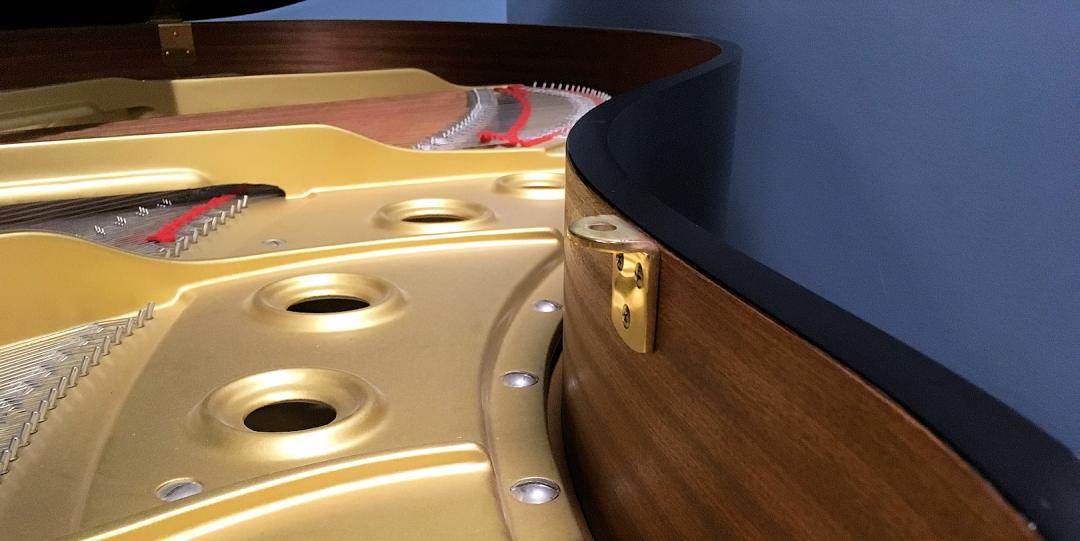
Unspecified Rim Material
Some manufacturers often use terms like “select hardwoods” and “carefully selected wood based on its acoustic characteristics” to describe their materials. Most often in the piano industry, this can be interpreted as “may change without notice.” This manufacturer either does not provide specifications for rim material, uses non-specific terms to describe rim materials, or, in the case of some older pianos, the information was not able to be verified by our research.
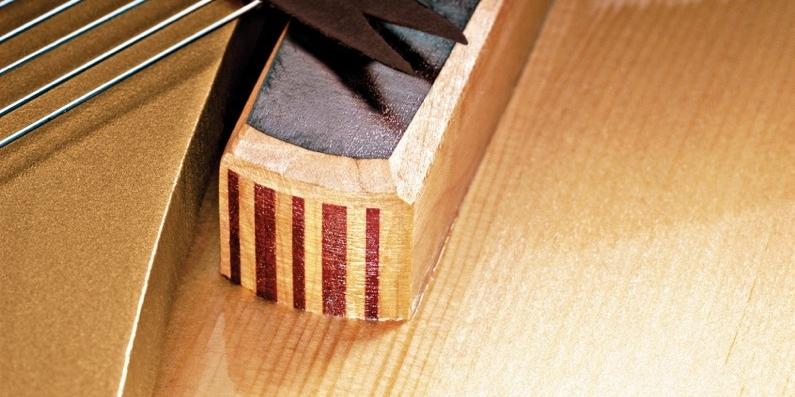
Vertically Laminated Bridges
Originally patented by Steinway in 1880, this groundbreaking design is now found in nearly every high-performance piano in production. The solid bridge is replaced with multiple layers of wood, like a layer-cake on its side. This design transfers vibrations from the strings to the soundboard most efficiently and with the least loss of energy. This improves every aspect of tone, projection, sustain, and dynamic range.