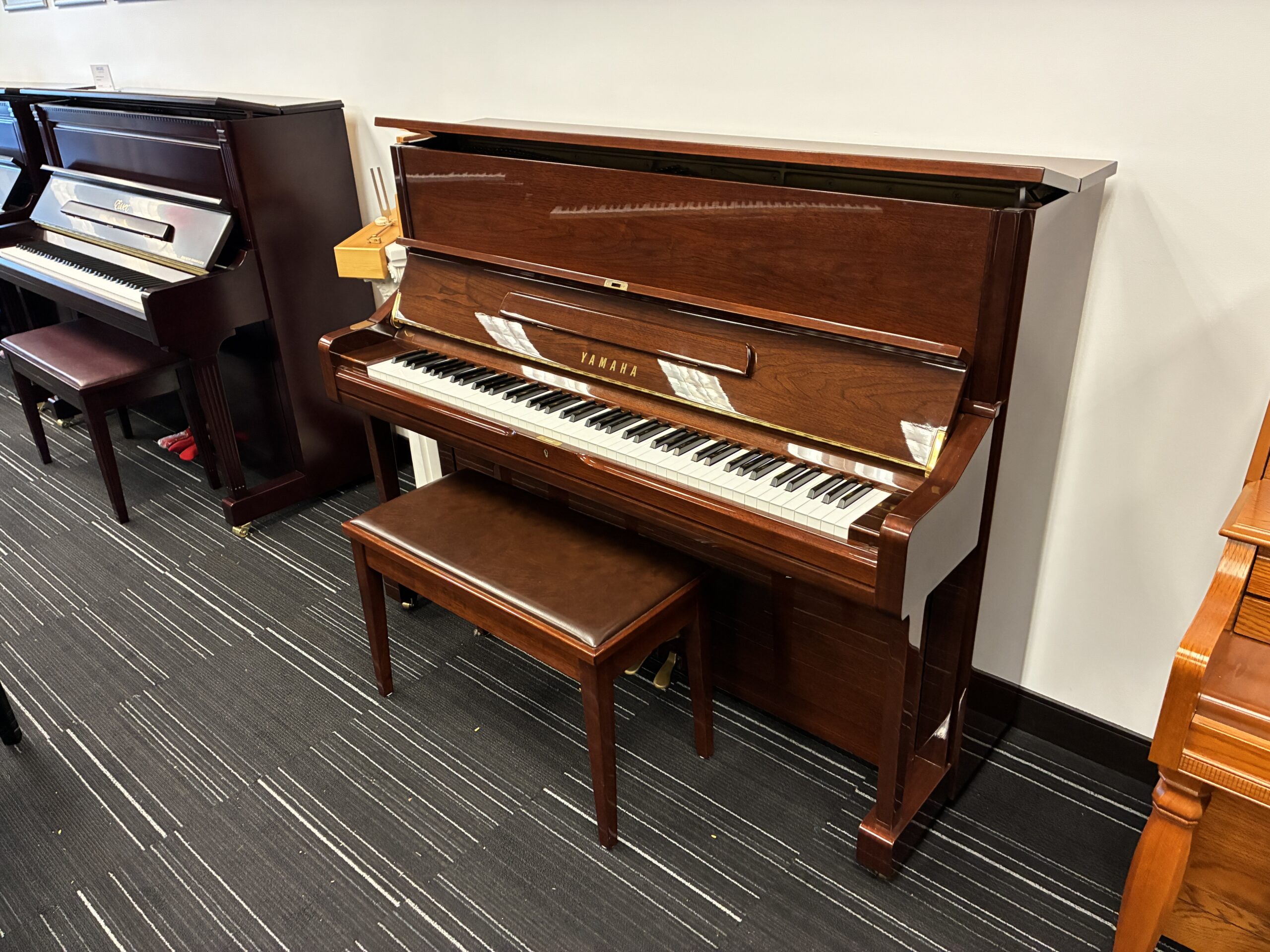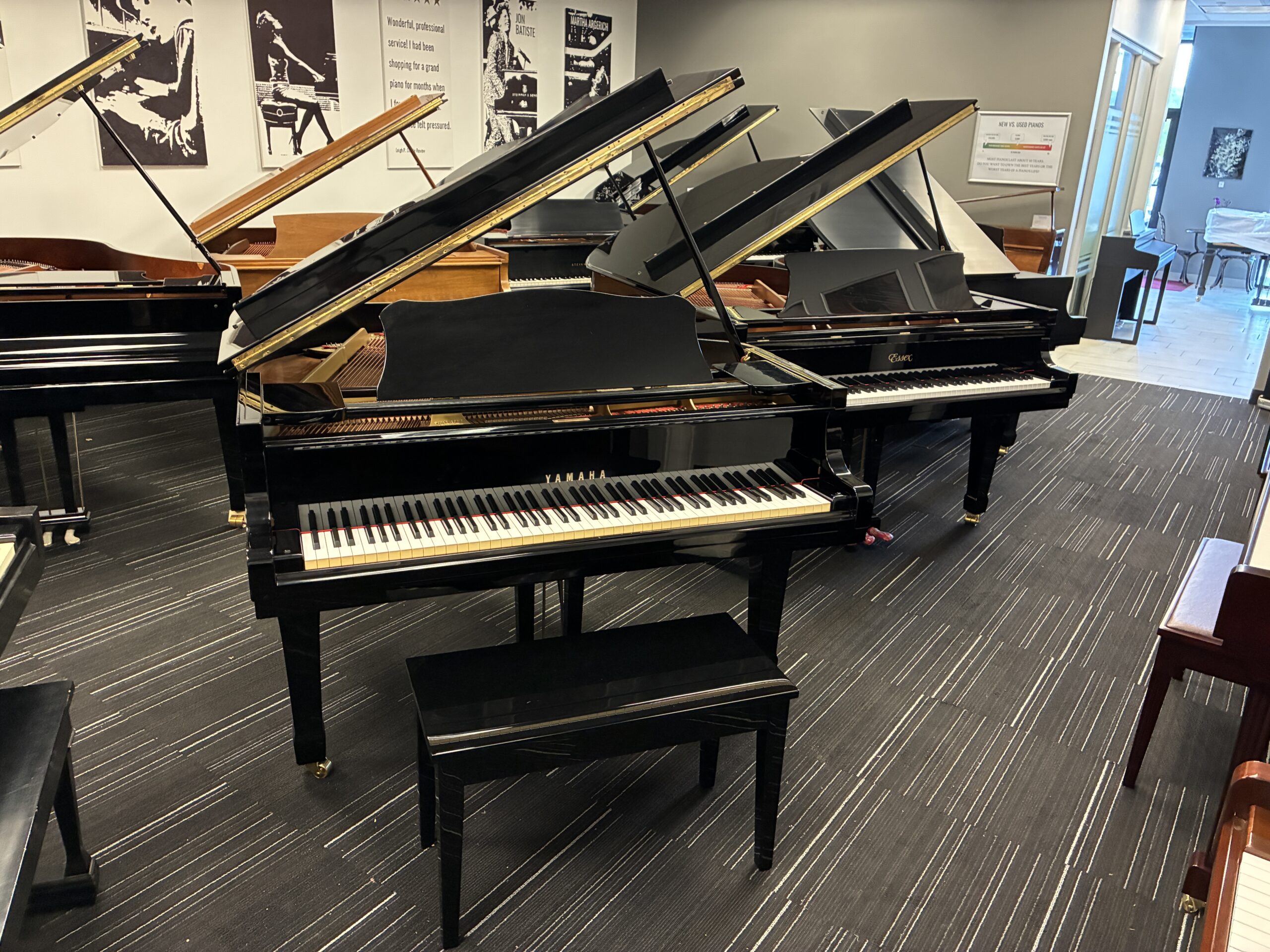
Reconditioned
· ENCORE Reconditioned
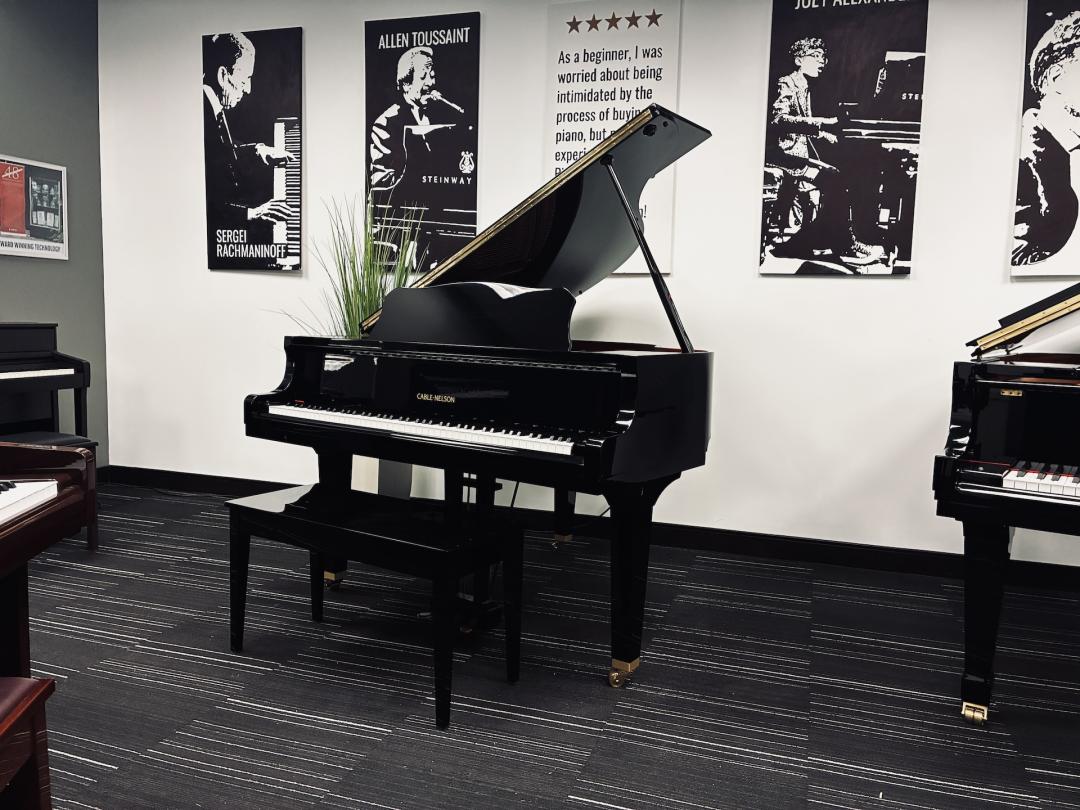
SOLD Cable Nelson CN151
4'11" Grand
Request Pricing
SAVE 46% OFF NEW RETAIL
based on comparable piano of same brand, design, and materials
PRICE PRICE INCLUDES
5 Year Structural Warranty
10 Year Full-Trade-Value Guarantee
Pre-delivery tuning and inspection
First in-home tuning after delivery
Matching Bench
ABOUT THIS PIANO
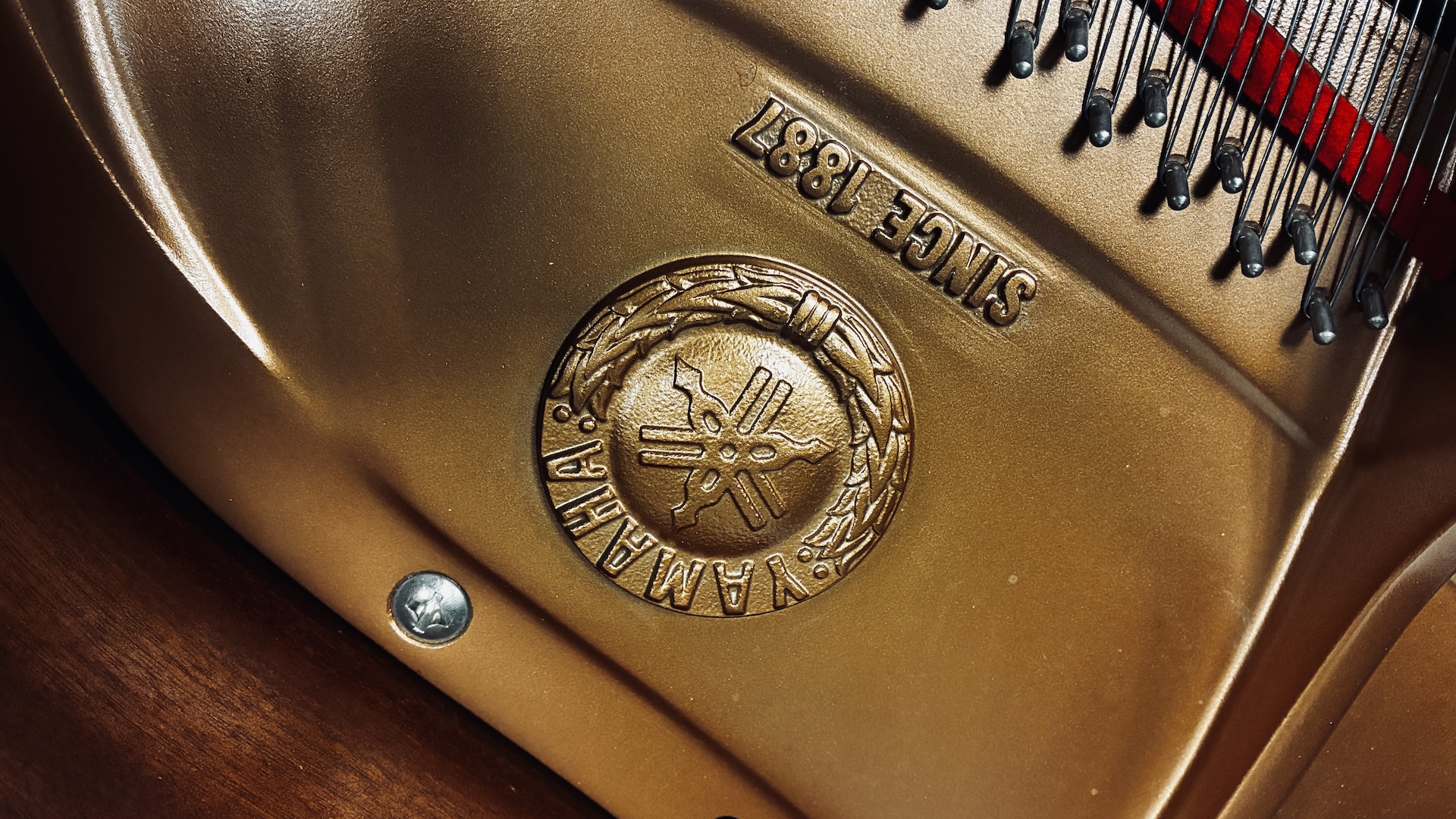
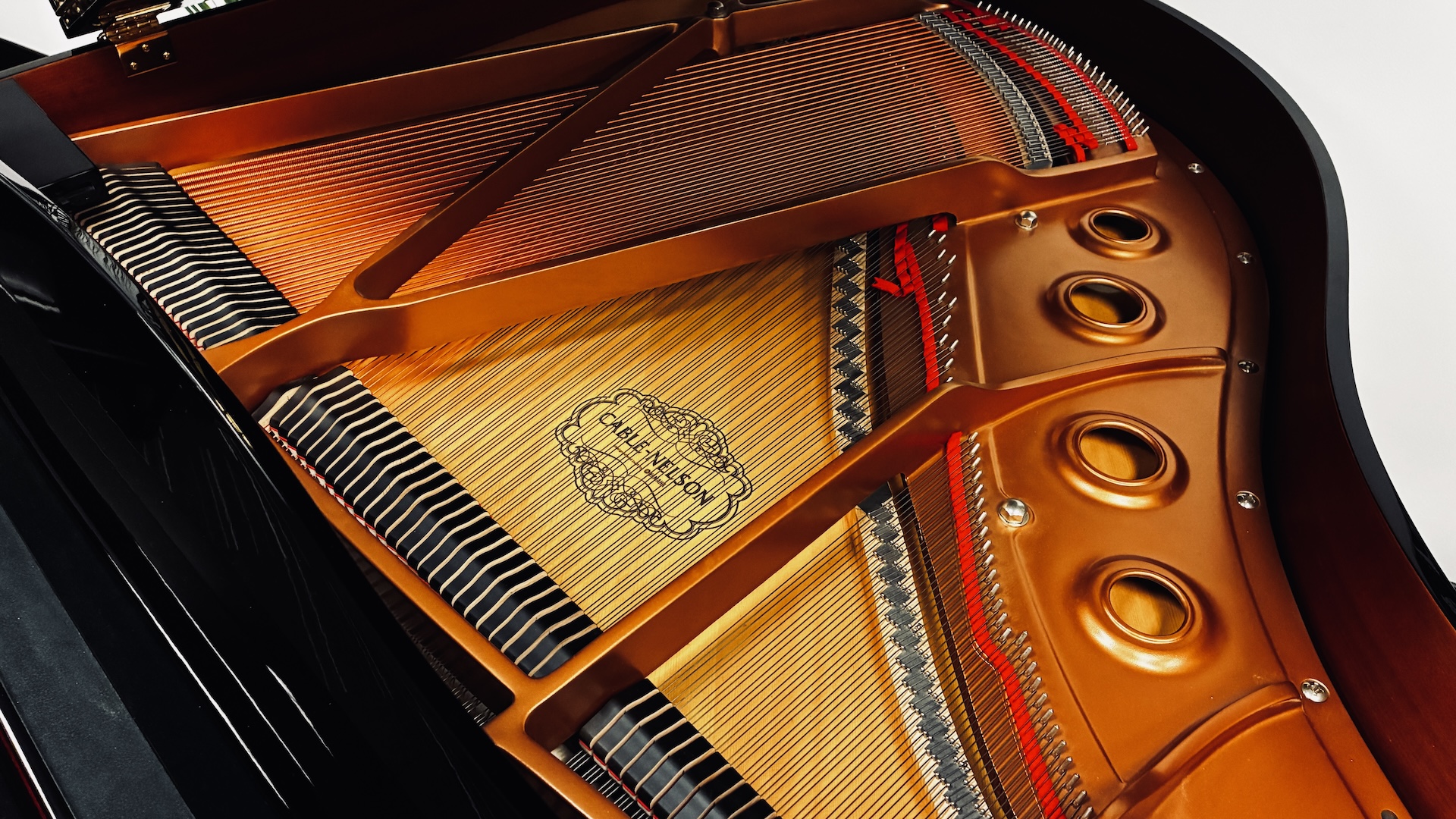
We sold this piano originally in 2009 and know it was well cared for. It is in excellent condition and plays with the signature clear and crisp Yamaha tone. Yamaha’s Cable Nelson series was introduced with an American name to the American market as an affordable grand with all the features of a GB1, with one exception: the CN151 has a virtually uncrackable laminated soundboard, making it an ideal used piano option.
ABOUT E.N.C.O.R.E. RECONDITIONED PIANOS
Our ENCORE process is our promise to you that your pre-owned piano from ARTIST PIANOS was thoroughly EVALUATED and NO STRUCTURAL FAILURES have been found and any minor issues have been fully remedied. It has been rigorously CLEANED and polished. Our Steinway-trained technicians have OPTIMIZED its tone through tuning and voicing and the action was REGULATED for an even, responsive touch. Finally, we ENSURE THE VALUE of your purchase with a 5-Year structural warranty and an exclusive 10-year trade-value guarantee.
ABOUT YAMAHA
One of the largest piano mass-producers in the world, Yamaha began exporting to the US in the 1960s. Yamaha built an excellent reputation in the 1980s for making a very consistent product and eventually beat out Baldwin, the American brand that competed most in the same price-points. In today’s new-piano market, our research has shown that Steinway, Boston, and Essex pianos offer significantly better performance and value, dollar-for-dollar, but Yamahas make great used purchases, because they are historically known for their consistency and quality control. This piano is not a grey market Yamaha.
Premium features.
No Duplex Scale
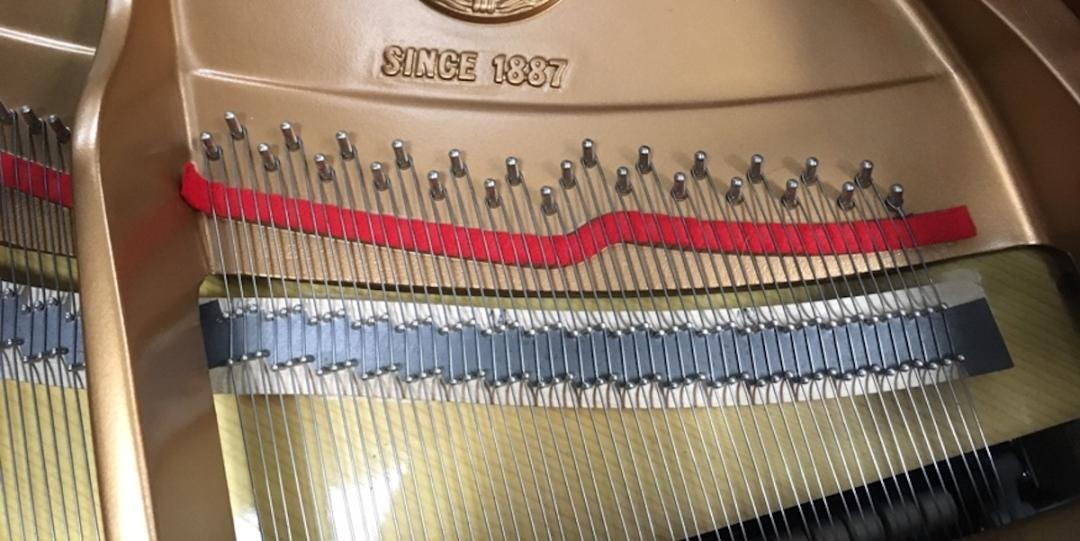
This manufacturer did include duplex scale design on this model. Instead, felt (red in this example picture) is used to prevent the length of string that extends beyond the bridge from vibrating. Duplex scale-design is used to improve the complexity and harmonic content of a piano’s tone.
One-Dimensional Soundboard
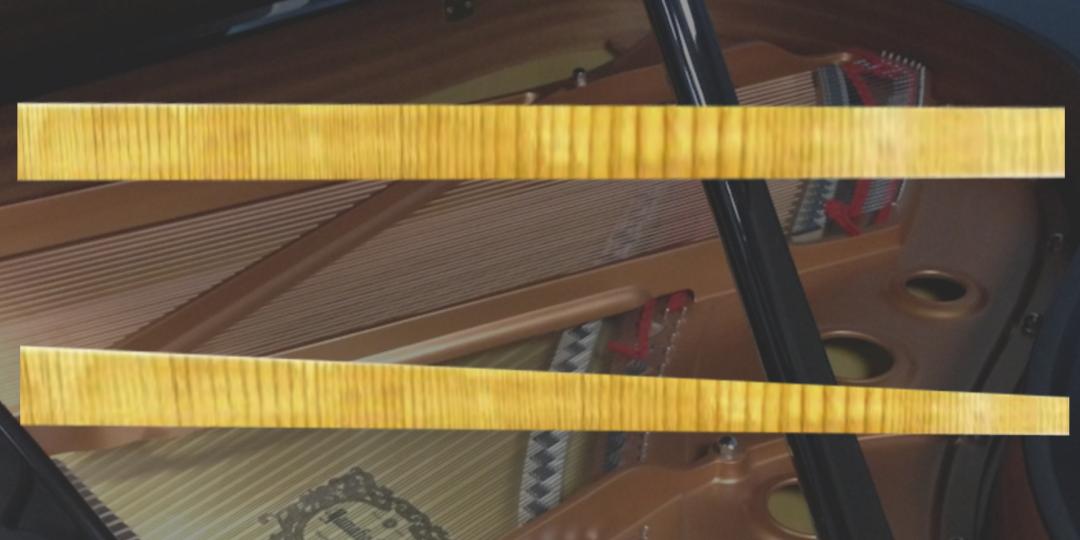
A one-dimensional soundboard (top) is the same thickness across its width. This piano does not have a tapered soundboard or this manufacturer does not specify whether or not the soundboard is tapered on this model. However, if a piano has a tapered soundboard, it is generally something that a manufacturer would want a shopper to know. All else being equal, a tapered soundboard will provide deeper, richer tone and longer sustain. All Steinway, Boston, and Essex pianos have tapered soundboards.
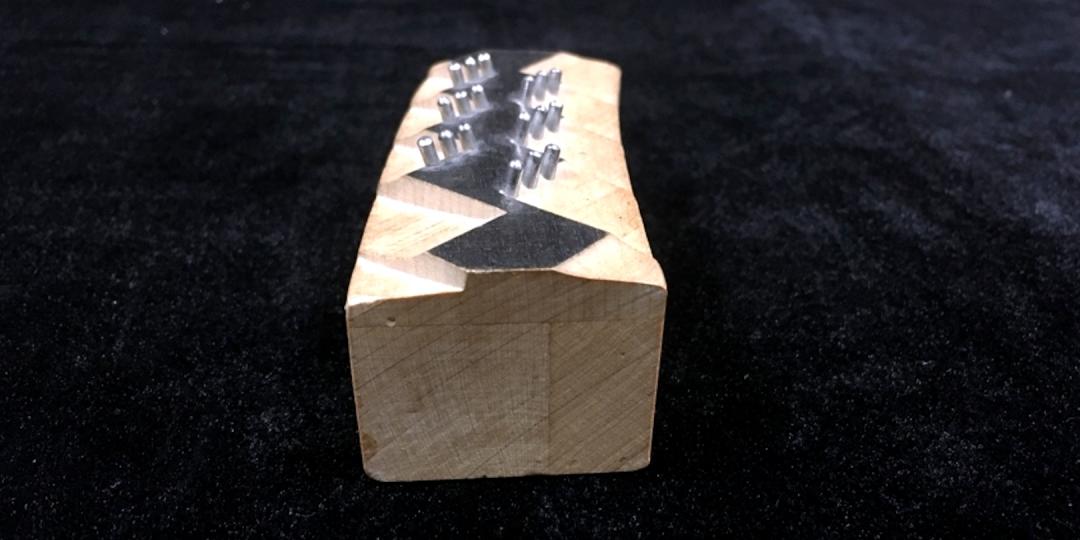
One-Piece Bridges
Bridges conduct the vibrations from the strings into the soundboard. This piano has bridges made of one piece of wood and may have a maple cap. Most uprights and entry-level grands have one-piece bridges. Nearly all performance grands include vertically laminated bridges to improve tone, sustain, and dynamic range.

Standard Solid Spruce Soundboard
This manufacturer does not publish specifications for the soundboard material for this model beyond the species of wood. Model to model, these soundboards may have variances in grain density, irregularities, knots, or areas where material was cut out and filler material was glued in to take it’s place. We inspect the soundboards of every piano we sell and encourage shoppers to inspect the soundboard of any piano they may consider purchasing to determine the quality of the soundboard material. Steinway soundboards have a minimum of 11 grains-per-inch and our Boston and Essex pianos specify quality with a minimum of 8 grains-per-inch on every piano.
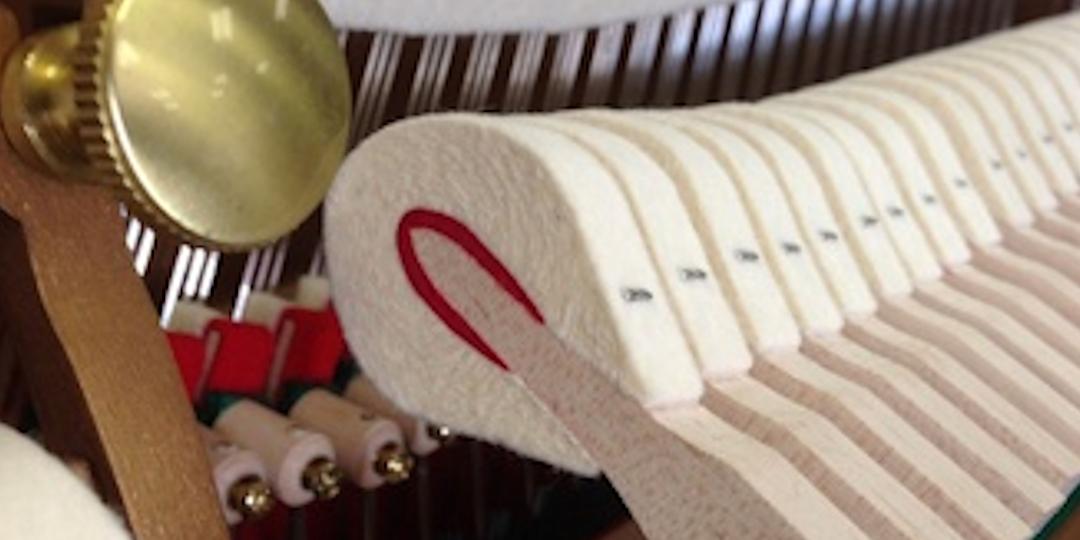
Underfelted Hammers
Dense under-felt is applied before the white hammer felt is glued and fastened to the hammer molding. This reinforcement will help the hammer retain its shape through years of impact with the strings and adds mass to the hammer to deliver more energy to the string. Often overlooked and not something that will cause an issue right away, this is a feature many manufacturers will eliminate in order to cut costs.
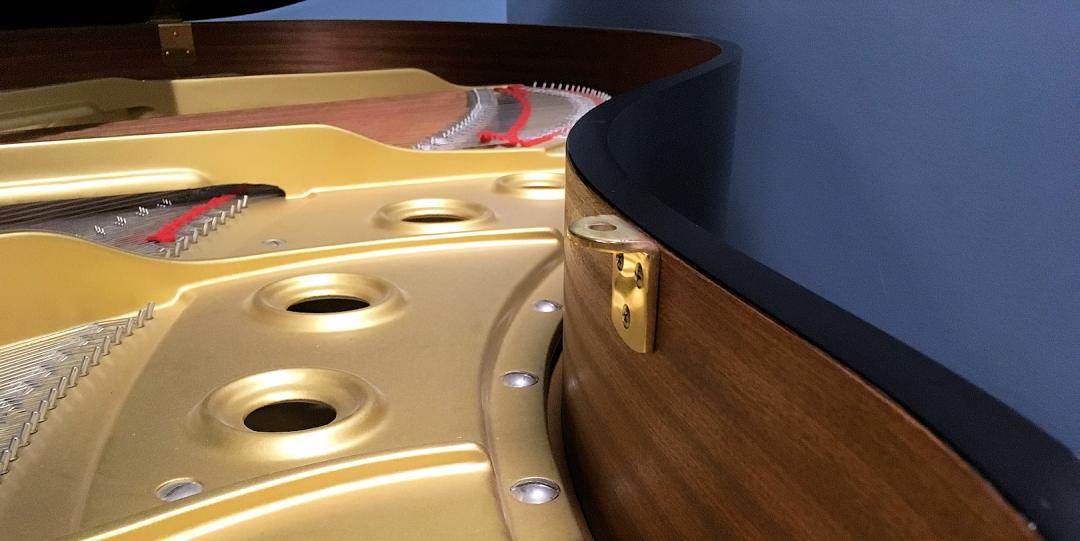
Unspecified Rim Material
Some manufacturers often use terms like “select hardwoods” and “carefully selected wood based on its acoustic characteristics” to describe their materials. Most often in the piano industry, this can be interpreted as “may change without notice.” This manufacturer either does not provide specifications for rim material, uses non-specific terms to describe rim materials, or, in the case of some older pianos, the information was not able to be verified by our research.