

New
EUP-111
44" Upright
Finance as low as $107/mo*
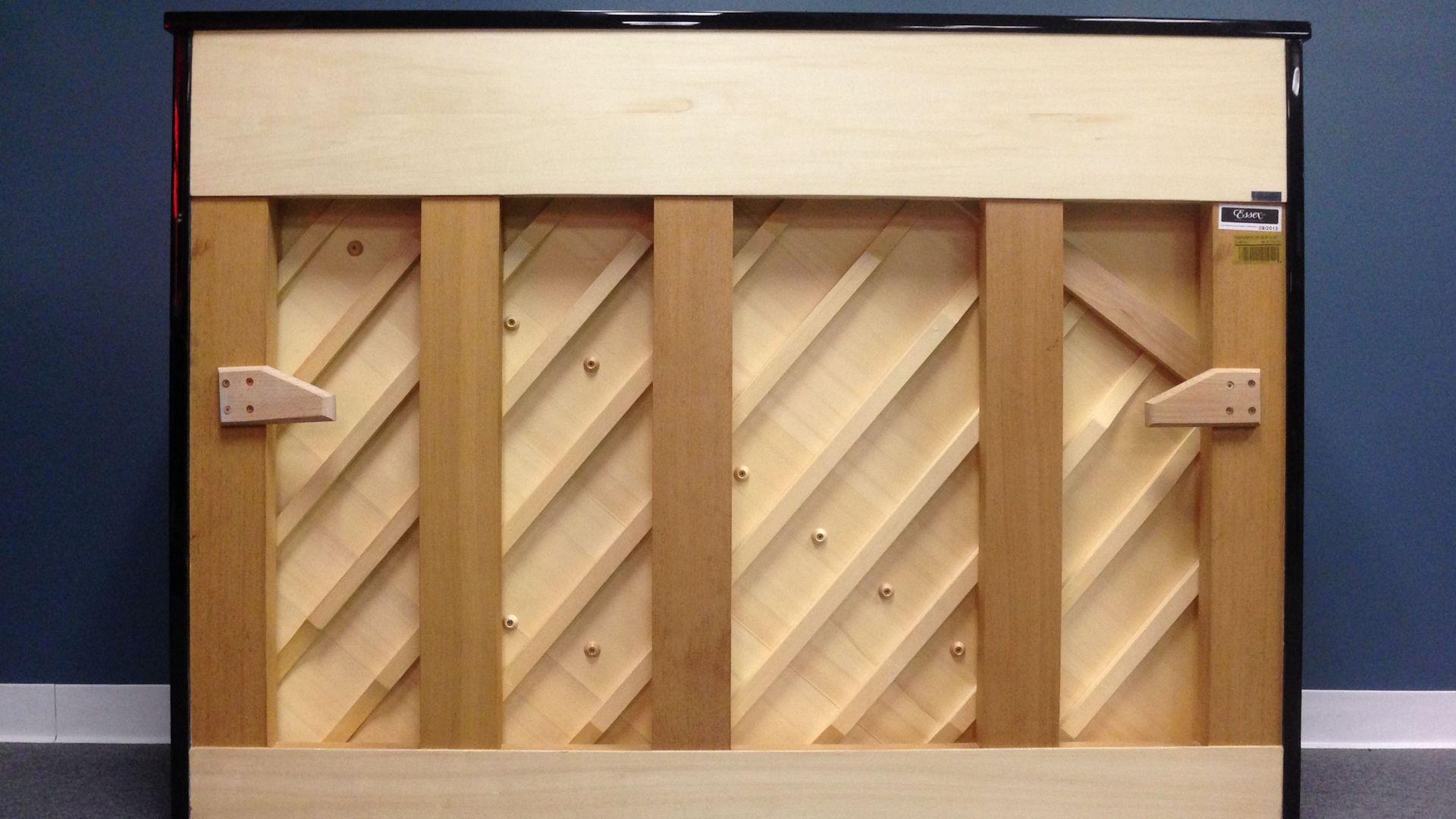
Any Manufacturer Can Build a Piano This Way. Only Steinway Does It for Every Single One. Guided by Steinway’s “One Piano Philosophy,” every Essex incorporates every design feature and premium material known in the industry to make a piano play better and last longer.
The Steinway Promise Your investment stays protected if your needs evolve. Apply 100% of your original purchase price toward a new Steinway & Sons grand through The Steinway Promise—or use Upstate Pianos’ 100% trade-up guarantee toward any showroom piano priced at double or more.
Perfect For: Pianists of all experience levels who appreciate Steinway-designed touch and tone in a shorter 44″ upright—and shoppers comparing compact pianos who want to weigh the EUP-111’s shorter vertical profile against the fuller bass and longer string length of the 46″ EUP-116 in virtually the same floor footprint.
Ready to compare in person or learn more? Call us or submit the form below to request current EUP-111 pricing,confirm Polished Ebony or Polished Sapele Mahogany availability, or schedule a showroom visit to see how it compares alongside the 46″ EUP-116.
Premium features.
Premium Spruce Soundboard
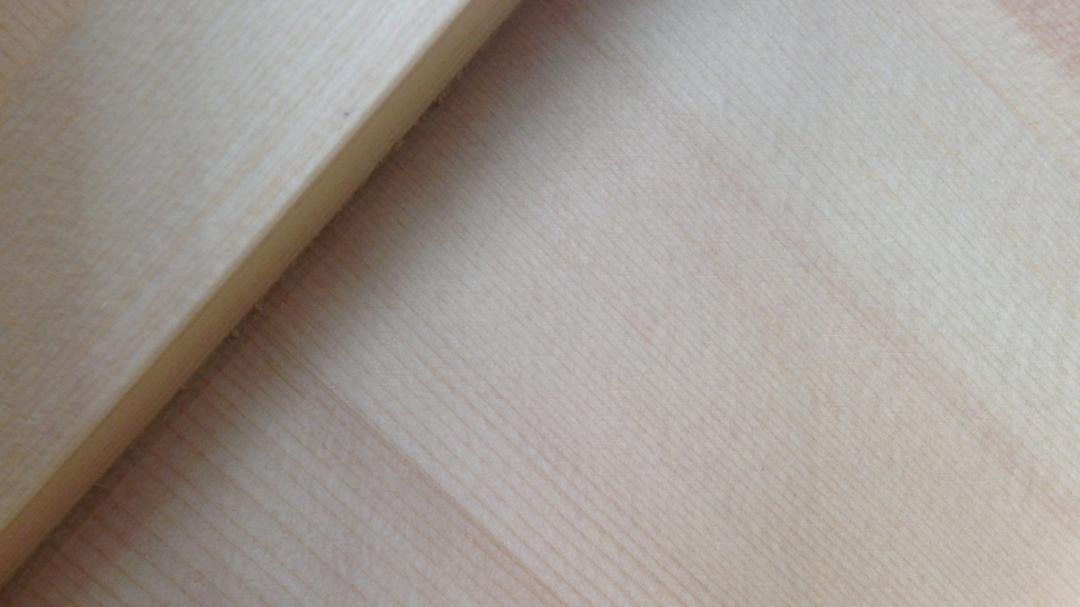
All the finest pianos have premium solid-spruce soundboards, but spruce soundboards are not created equal. A premium soundboard will be made of straight-grain solid spruce (not laminated) with a minimum of 8 grains per inch and be free of knots and irregularities. These qualities ensure overall structural integrity and even distribution of vibrations. Most manufacturers do not specify anything beyond solid vs. laminated, allowing for a wide variance in wood quality.
Tapered Soundboard Construction
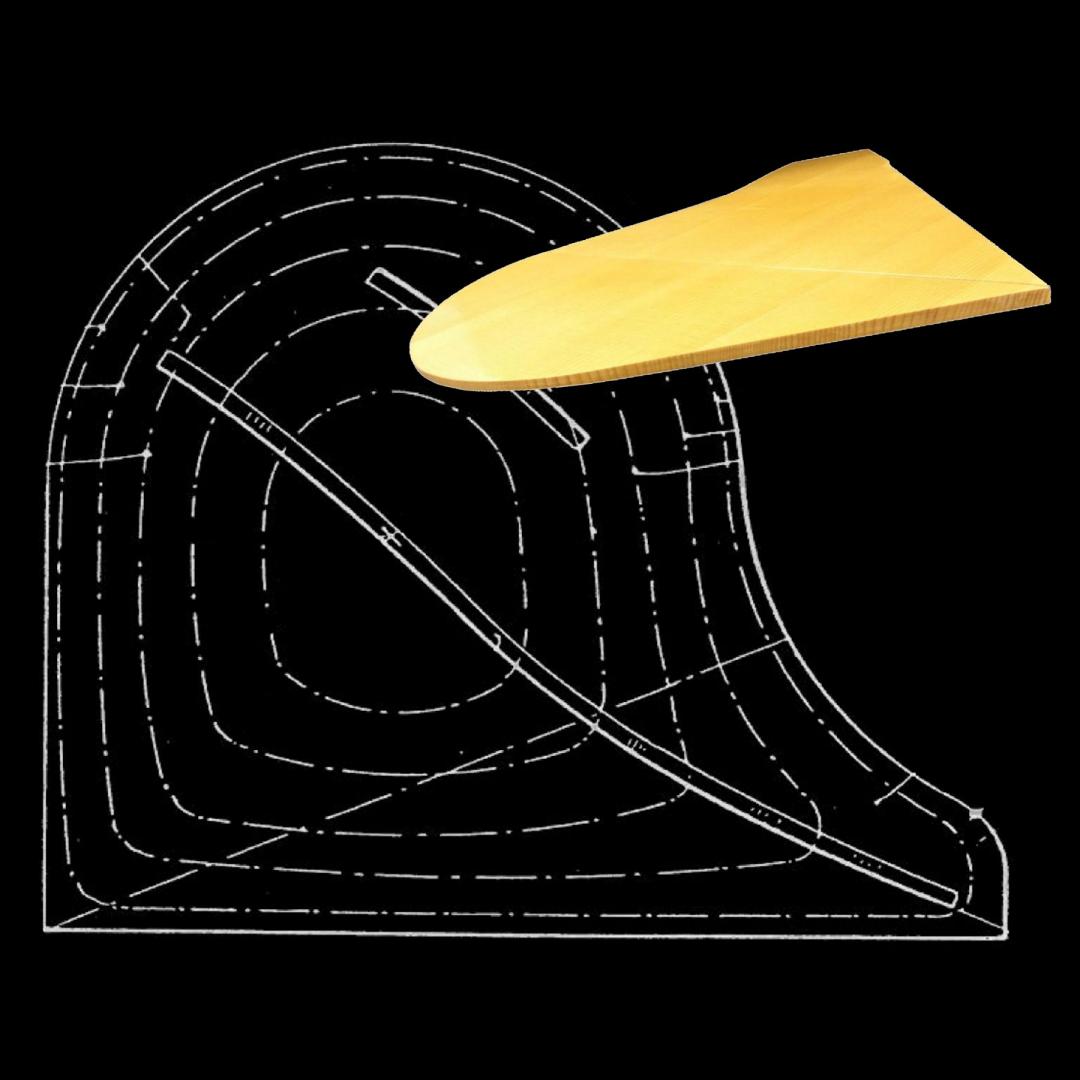
To promote flexibility, the soundboard is sanded down to be thinner from treble to bass. Because the board is able to vibrate more freely, bass notes sound richer and fuller and overall tone and dynamic range is improved.
Underfelted Hammers
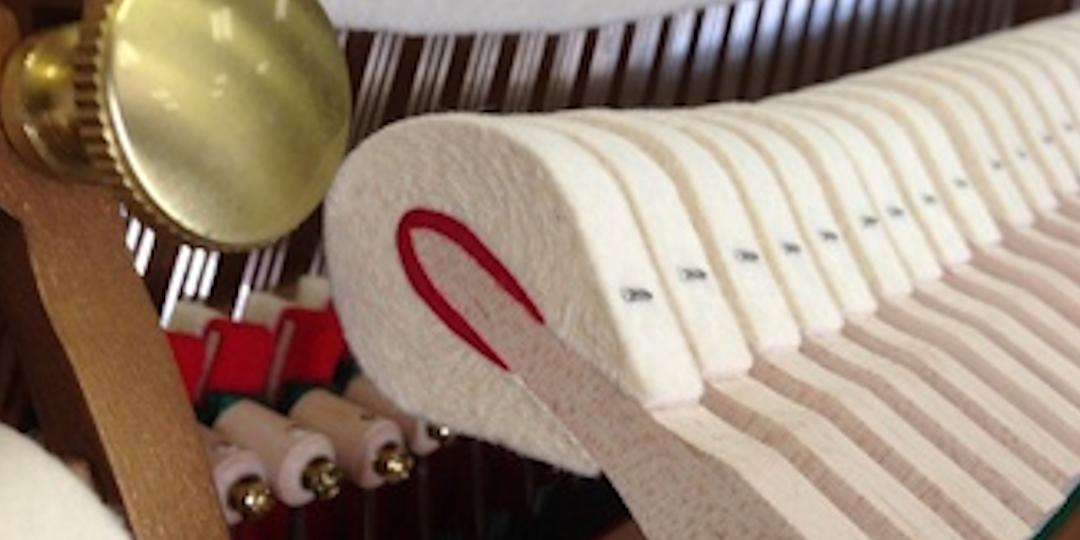
Dense under-felt is applied before the white hammer felt is glued and fastened to the hammer molding. This reinforcement will help the hammer retain its shape through years of impact with the strings and adds mass to the hammer to deliver more energy to the string. Often overlooked and not something that will cause an issue right away, this is a feature many manufacturers will eliminate in order to cut costs.
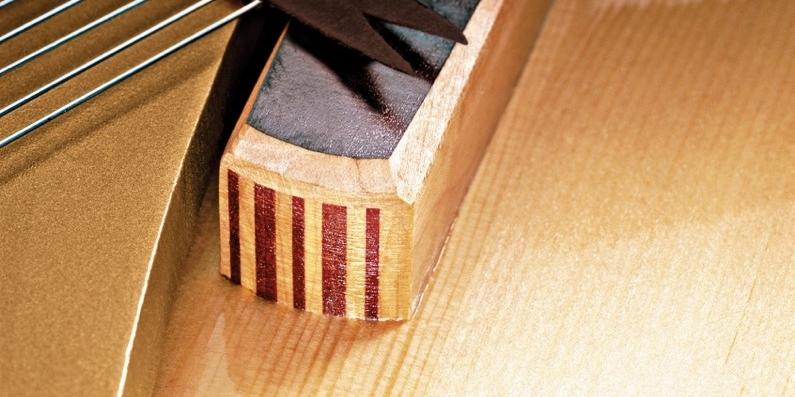
Vertically Laminated Bridges
Originally patented by Steinway in 1880, this groundbreaking design is now found in nearly every high-performance piano in production. The solid bridge is replaced with multiple layers of wood, like a layer-cake on its side. This design transfers vibrations from the strings to the soundboard most efficiently and with the least loss of energy. This improves every aspect of tone, projection, sustain, and dynamic range.